Classic Scones - freshly baked bread

Classic Scones

Cornbread & Biscuits

Tender, crumbly scones with a golden top and soft, flaky interior. The perfect companion for afternoon tea with clotted cream and jam.

Prep Time

15 min

Bake Time

18 min

Servings

10

Calories

235

Ingredients

  • 1 cup cornmeal
  • 1 cup all-purpose flour
  • ⅓ cup granulated sugar
  • 1 tbsp baking powder
  • ½ tsp salt
  • 1 cup buttermilk
  • ⅓ cup unsalted butter, melted
  • 1 large egg

Instructions

  1. 1

    Prepare

    Preheat oven to 400°F (200°C). Grease a cast-iron skillet or baking pan.

  2. 2

    Mix Dry

    Combine cornmeal/flour, sugar, baking powder, and salt.

  3. 3

    Add Wet

    Stir in buttermilk, melted butter, and egg until just combined.

  4. 4

    Bake

    Pour into prepared pan. Bake 20–25 minutes until golden and set.

Baker's Notes

The number one rule of biscuits: cold butter, cold buttermilk, and work the dough as little as possible. Every extra fold develops gluten and costs you flakiness.

Baker Thomas Moreau

About This Recipe

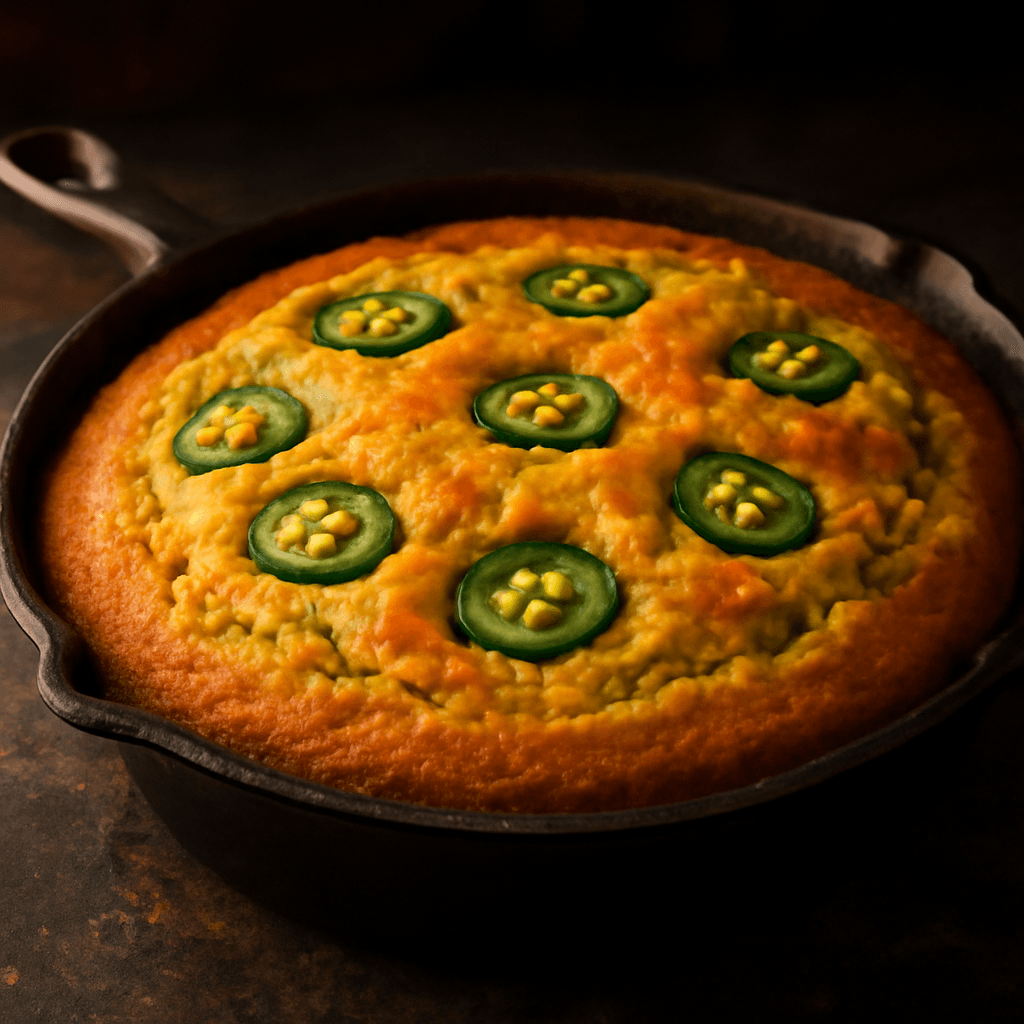
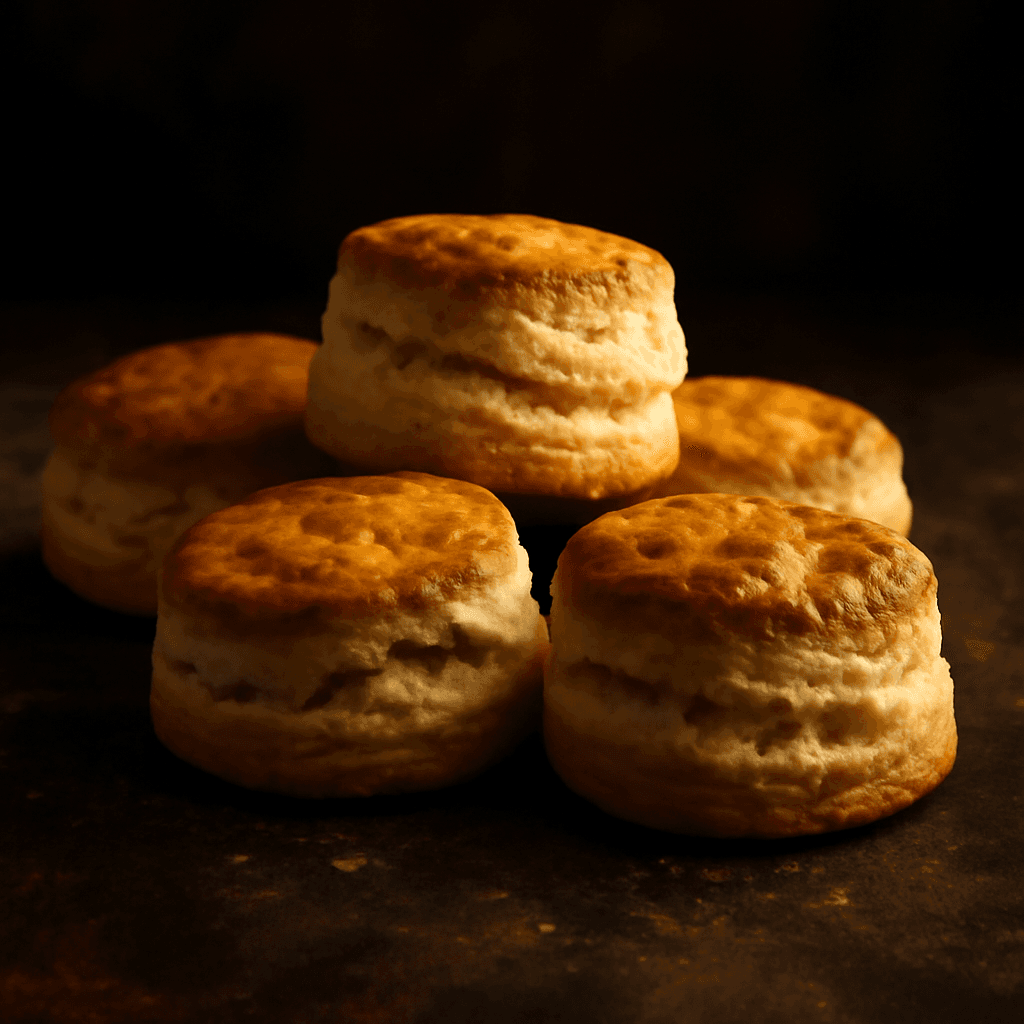
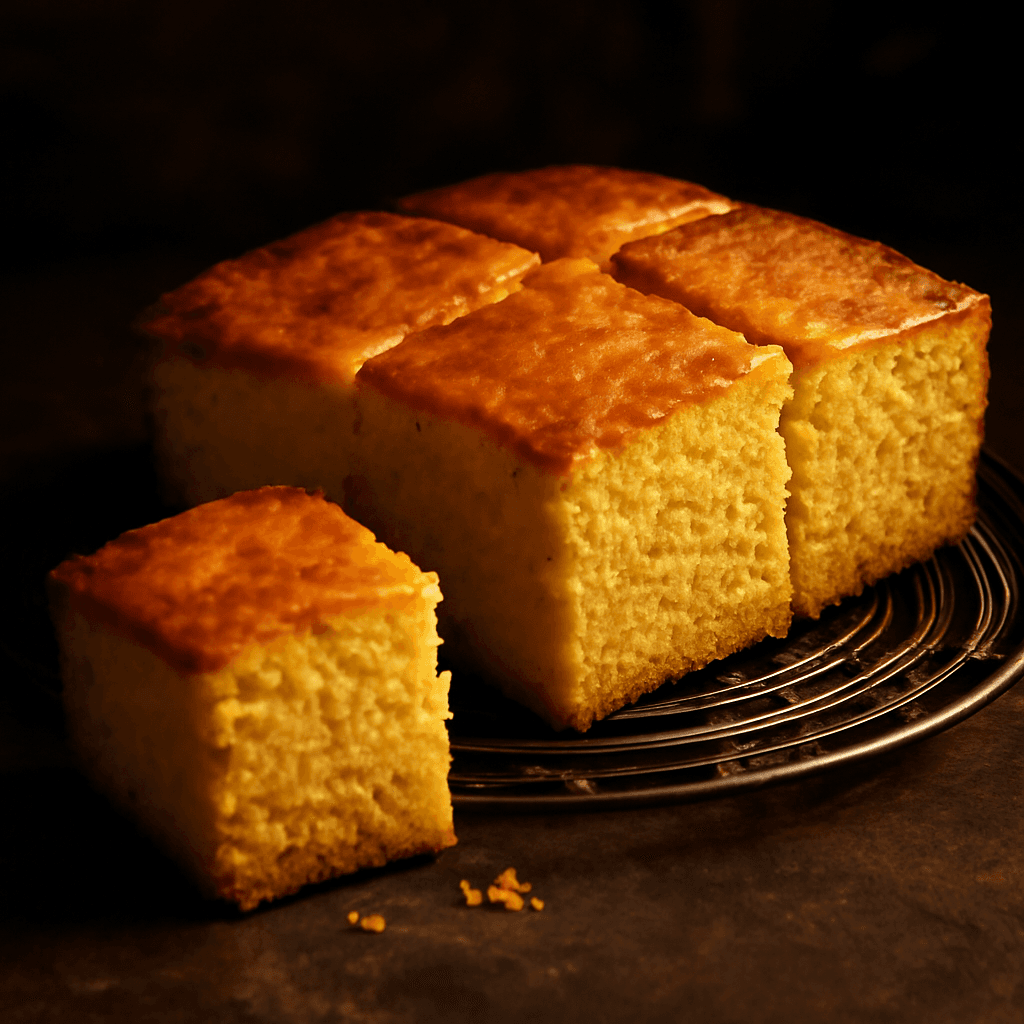
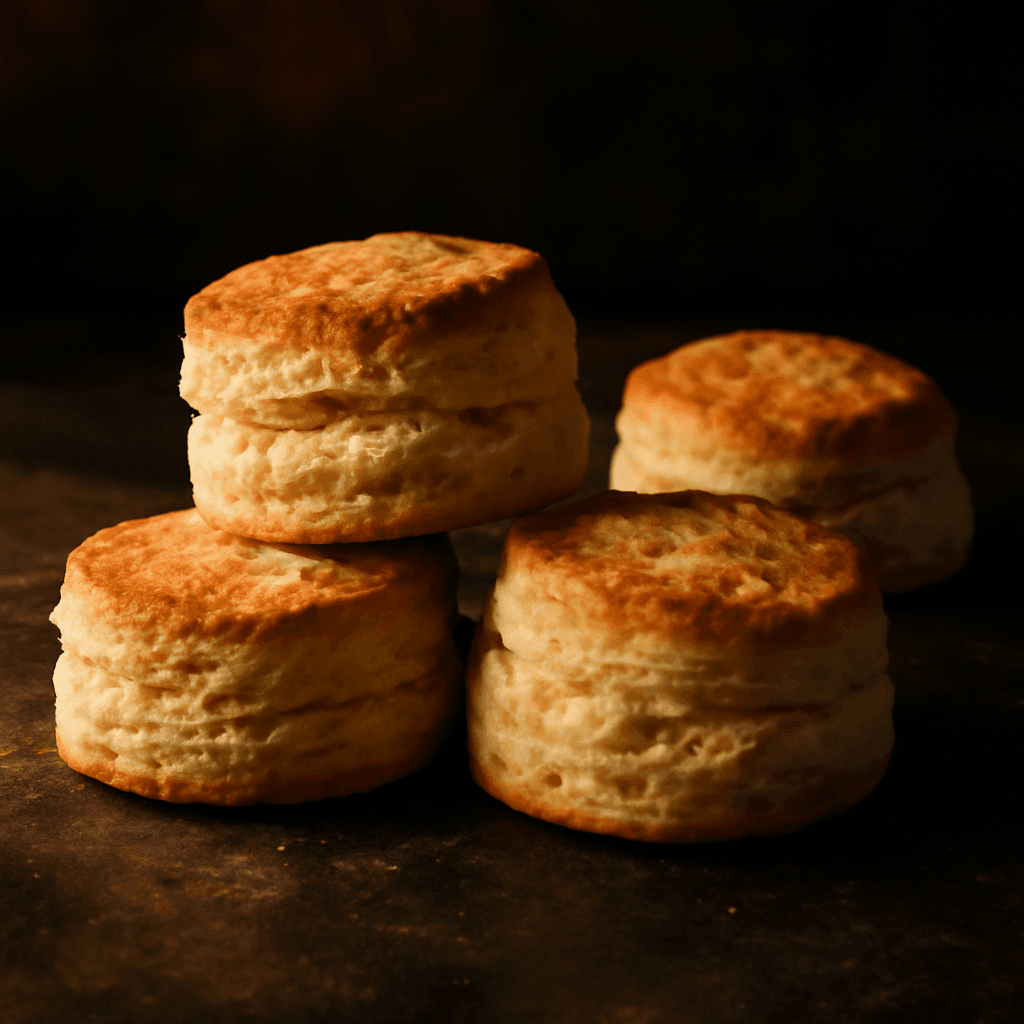
There is something quietly magical about a fresh batch of classic scones straight from the oven — golden on top, tender and crumbly on the inside, with just enough sweetness to let the butter do the talking. What sets these apart is the cornmeal folded into the flour, lending a subtle nutty crunch that keeps every bite interesting without overpowering the buttery richness.

Canadian home cooks have been making these for generations, often pulling them from the oven alongside a pot of Earl Grey or a steaming mug of tea. They are forgiving enough for beginners but rewarding enough to keep turning out week after week, especially when you remember to keep the butter cold and resist the urge to overwork the dough.

Tips for the Best Classic Scones

Grate frozen butter into the dry mix before adding the wet ingredients — those big shreds melt during baking and create layers of flakiness you won't get from cubed butter. Pour the batter into a hot cast-iron skillet for a deep golden crust, and pull the scones out the moment they are set; overbaking turns them dry.

What to Serve With It

Serve warm with a generous dollop of clotted cream and a spoonful of strawberry or raspberry jam — the kind of spread you might find at a cottage breakfast or a Sunday brunch. Honey butter drizzled over the top works beautifully too, and these scones hold their own beside a cup of Darjeeling or a strong black tea.

Storage & Reheating

Store cooled scones in an airtight container at room temperature for up to two days, or freeze them for longer keeping. To reheat, warm them in a 350°F oven for five to seven minutes so the crust stays crisp rather than going soft in the microwave.
Nutrition Facts

235

cal

8g

Protein

6g

Fat

40g

Carbs

3g

Fiber

275mg

Sodium

Frequently Asked Questions

Can I use regular milk instead of buttermilk?+

Yes — stir one tablespoon of white vinegar or lemon juice into each cup of milk and let it sit for five minutes. The acid mimics buttermilk and helps the baking powder work properly.

Why does my scone batter look lumpy?+

That is exactly what you want. A few lumps mean you have not overmixed the dough, which keeps the scones tender instead of tough. Stop stirring as soon as the last streak of flour disappears.

What size pan should I use?+

A standard nine-inch round cast-iron skillet works well. You can also use a baking sheet and drop the batter in eight to ten mounds, spacing them about two inches apart.

Can I make these ahead and bake later?+

Mix the dough, shape it, and freeze it on a baking sheet before transferring to a bag. Bake straight from frozen, adding three to five extra minutes to the baking time.

How do I keep scones from sticking to the pan?+

Grease the skillet generously with butter before pouring in the batter. A thin layer of parchment paper on the bottom of the pan also guarantees easy release.

Tips & Tricks

  • Don't overmix the batter — a few lumps are fine and prevent tough cornbread.
  • A preheated cast-iron skillet gives the best golden crust.
  • Cold butter is the secret to flaky biscuits — freeze it and grate it in.

Reviews (3)

David C.★★★★★

Bakery-quality bread at home. I followed the recipe exactly and it turned out amazing. The proofing tips really helped.

Lisa P.★★★★★

Made this for a dinner party and everyone wanted the recipe. The bread was the star of the table — warm, crusty, and absolutely delicious.

Robert B.★★★★★

Five stars! The crust was perfectly crispy and the crumb was soft and airy. I'll never buy store-bought bread again.