About This Recipe
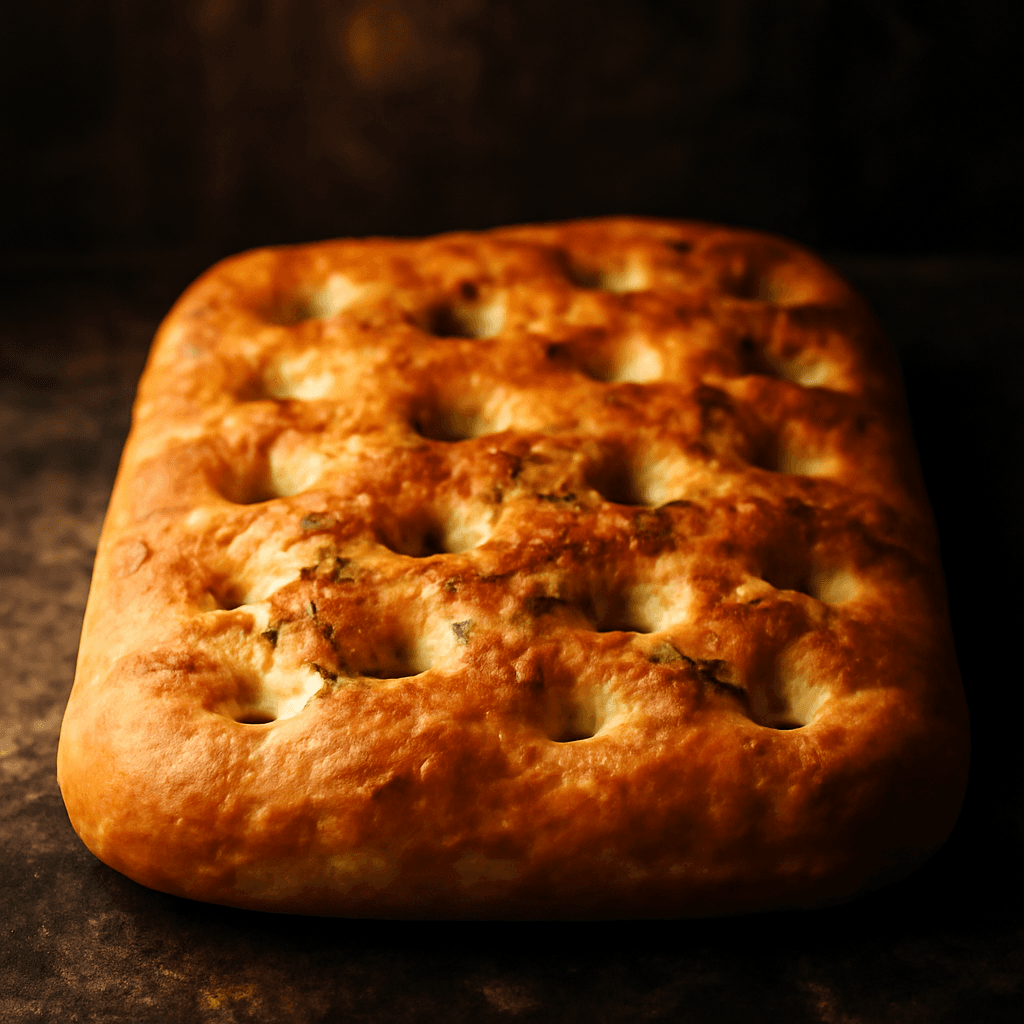
This focaccia has a beautiful contradiction going on — a shatteringly crisp, golden crust gives way to a soft, pillowy interior studded with tiny air pockets. The olive oil seeps into every crevice during cooking, giving each bite a rich, savoury depth that makes you reach for another piece before you've finished the first.
Canadian home cooks love this recipe because it delivers bakery-quality results with minimal fuss. There's no kneading marathon, no complicated shaping — just a forgiving dough that comes together quickly and rewards you with those gorgeous puffed, charred spots that make focaccia so irresistible.
Tips for the Best Classic Focaccia
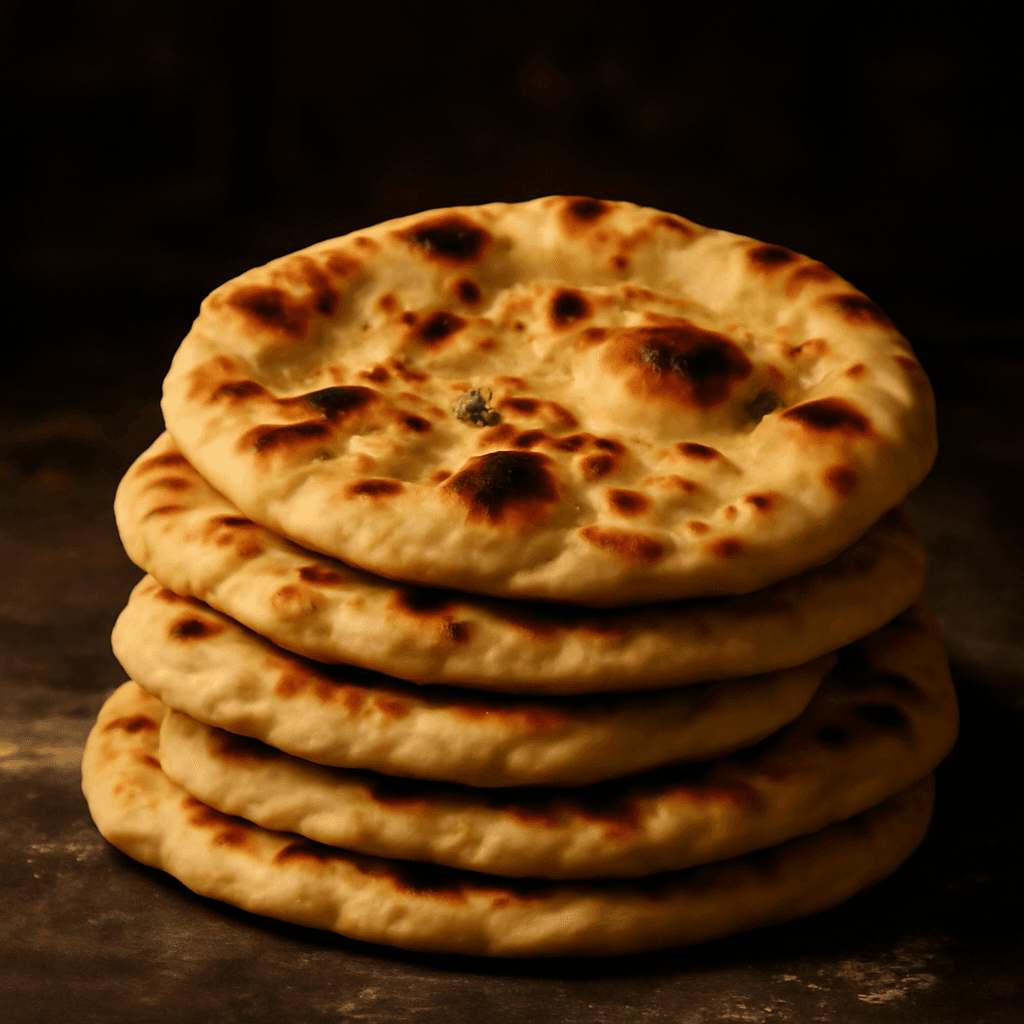
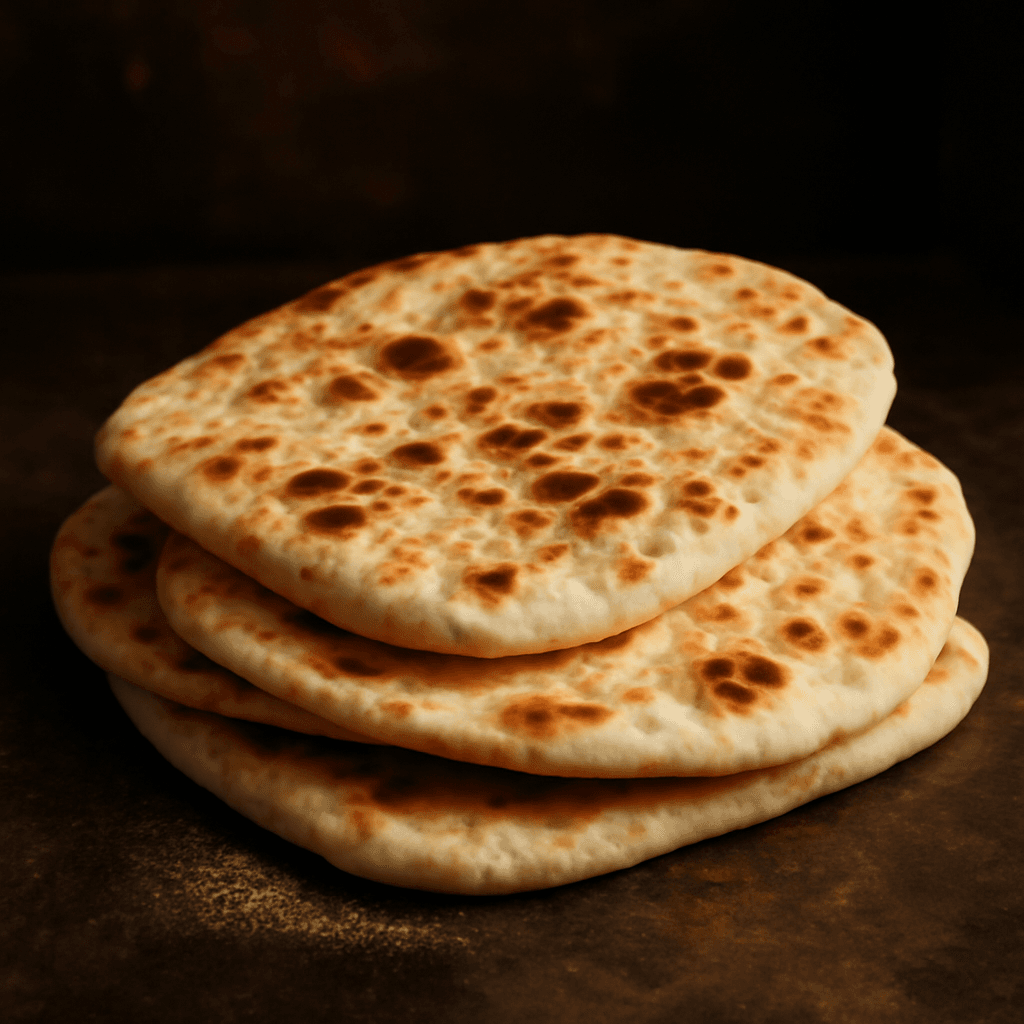
Assurez-vous que votre poêle ou surface de cuisson est bien chaude avant d'y poser la pâte — c'est ce qui crée le gonflement spectaculaire et ces taches caramélisées typiques. Laissez la pâte reposer après le pétrissage ; cela détend le gluten pour pouvoir l'étaler finement sans qu'elle ne revienne sur elle-même. Pendant l'étalage, utilisez juste assez de farine pour éviter que ça n'accroche, sans assécher la pâte.
What to Serve With It
Warm focaccia is the ultimate crowd-pleaser alongside a bowl of tomato soup, a platter of roasted vegetables, or a charcuterie board with sharp cheeses and cured meats. In Canada, it's equally at home with a hearty beef stew, alongside poutine, or sliced open as a sandwich vehicle for smoked meats and pickled vegetables. Drizzle with good olive oil and a pinch of flaky salt before serving.
Storage & Reheating
Focaccia is at its absolute best the day it's made, but leftovers keep well wrapped tightly in foil or plastic wrap at room temperature for up to two days. Reheat in a hot skillet for a few minutes to revive the crisp crust, or toast slices in a toaster oven. Freezing works too — wrap cooled focaccia tightly in plastic and foil, then thaw and reheat when ready to eat.