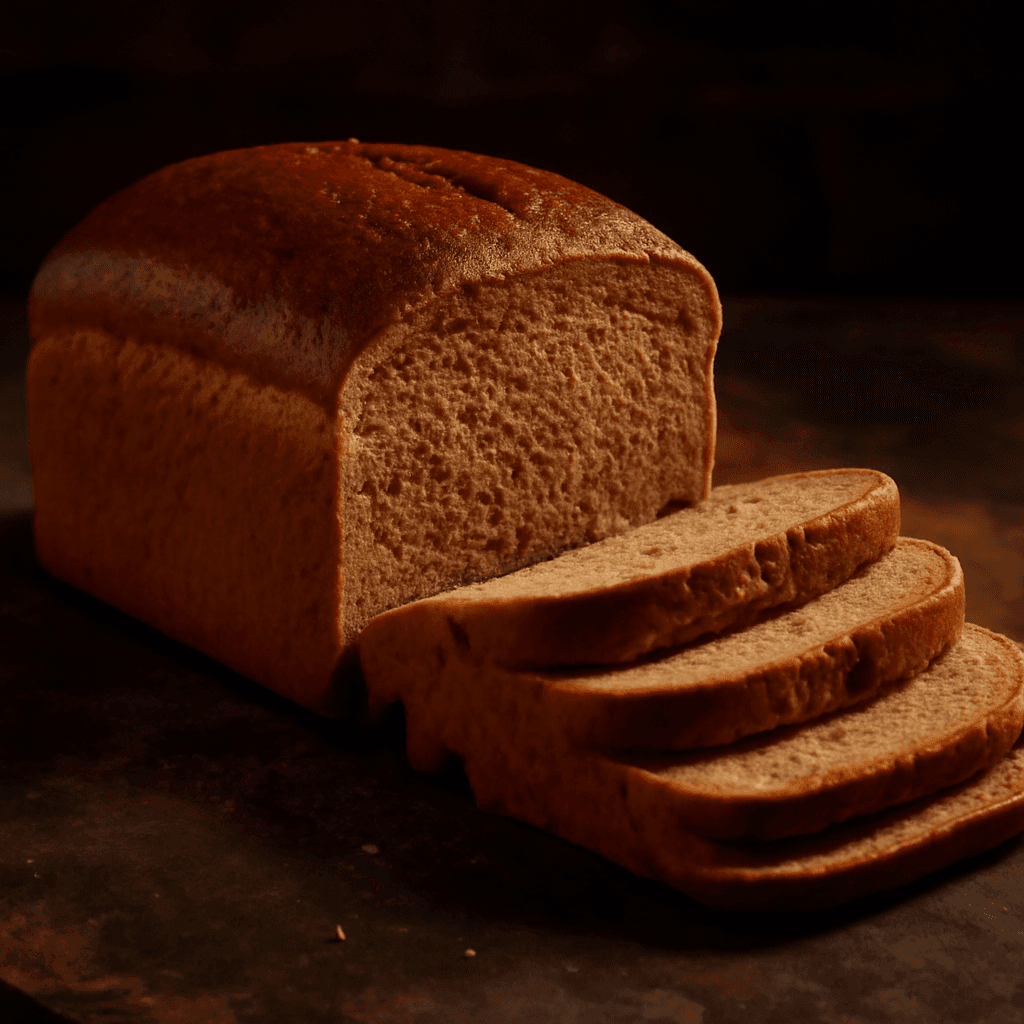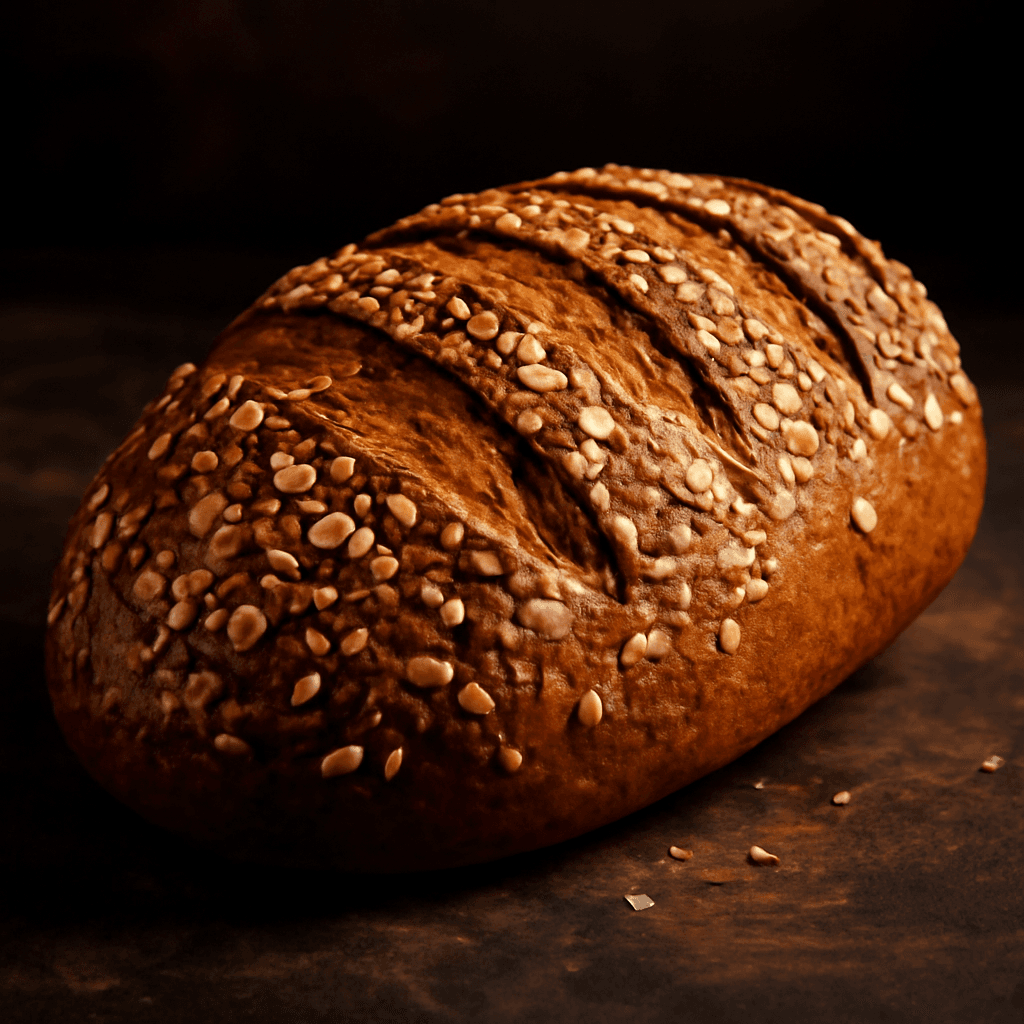
Seven-Grain Bread - freshly baked bread

Seven-Grain Bread

Whole Wheat & Multigrain Bread

A dense, flavourful bread made with seven different grains — wheat, oats, rye, barley, millet, flax, and sunflower seeds.

Prep Time

25 min

Proof Time

1h 40m

Bake Time

40 min

Servings

10

Calories

195

Ingredients

  • 2 cups whole wheat flour
  • 1½ cups bread flour
  • 2¼ tsp active dry yeast
  • 1¼ cups warm water
  • 3 tbsp honey
  • 2 tbsp unsalted butter, melted
  • 1½ tsp salt

Instructions

  1. 1

    Activate Yeast

    Dissolve 1 tbsp honey in warm water. Add yeast and wait 5 minutes.

  2. 2

    Mix

    Add remaining ingredients and both flours. Mix and knead 10 minutes until smooth.

  3. 3

    First Rise

    Cover and rise 60 minutes until doubled.

  4. 4

    Shape & Second Rise

    Shape into a loaf, place in a greased pan. Rise 30 minutes.

  5. 5

    Bake

    Bake at 375°F (190°C) for 30–35 minutes. Brush with butter.

Baker's Notes

Pure whole wheat bread can be dense and bitter. My secret is the 60/40 blend of whole wheat to bread flour — you get the nutrition without sacrificing texture.

Baker Thomas Moreau

About This Recipe

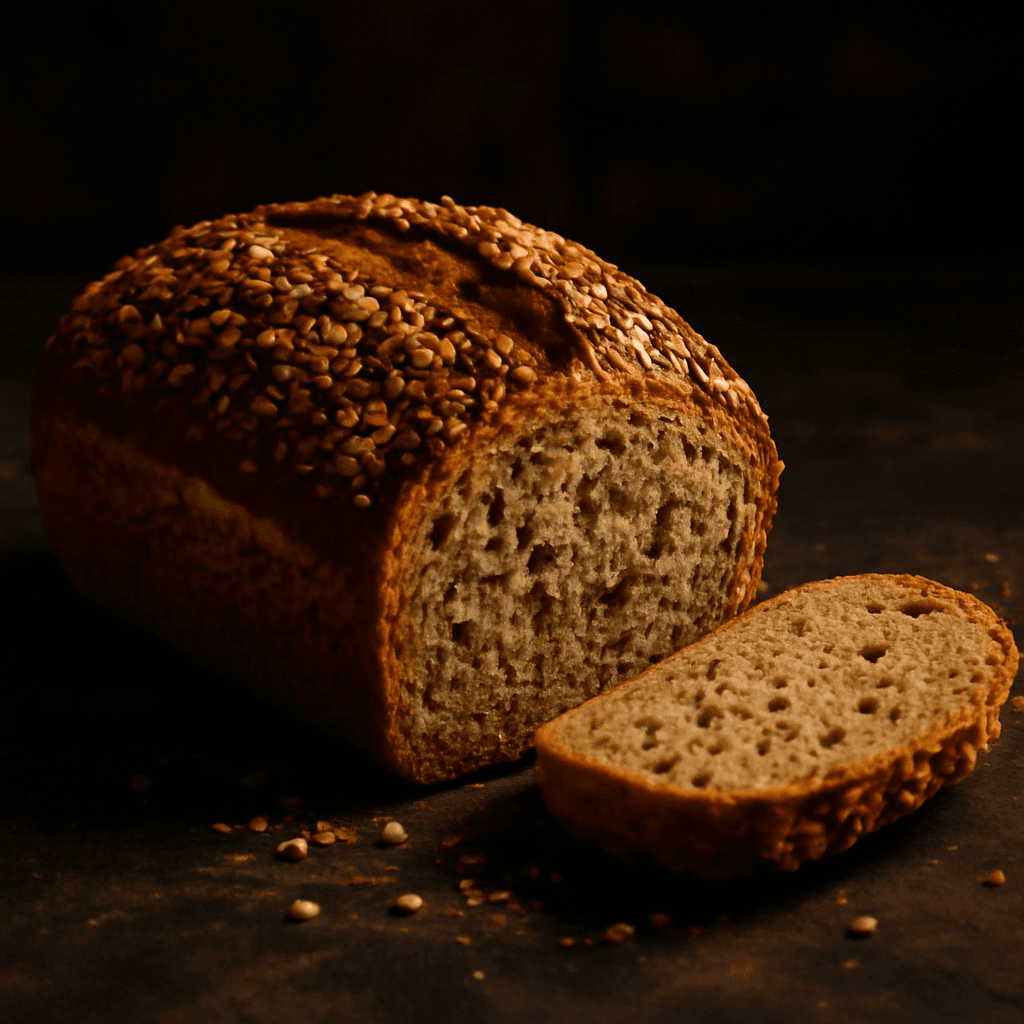
Seven-grain bread is one of those loaves that quietly earns its place in every Canadian kitchen — dense enough to hold up to thick slices of smoked meat, yet tender enough to melt under a slab of cold butter. The blend of wheat, oats, rye, barley, millet, flax, and sunflower seeds gives it a deep, nutty flavour that's genuinely different from plain whole wheat, and the honey keeps the crumb moist through the whole week.

Canadian home cooks keep coming back to this recipe because it delivers real substance without demanding fancy equipment. You just mix, knead, and let the dough do its thing while you get on with your day. The result is a loaf that tastes like it came from a bakery, even when it was baked in a home oven at the end of a Tuesday.

Tips for the Best Seven-Grain Bread

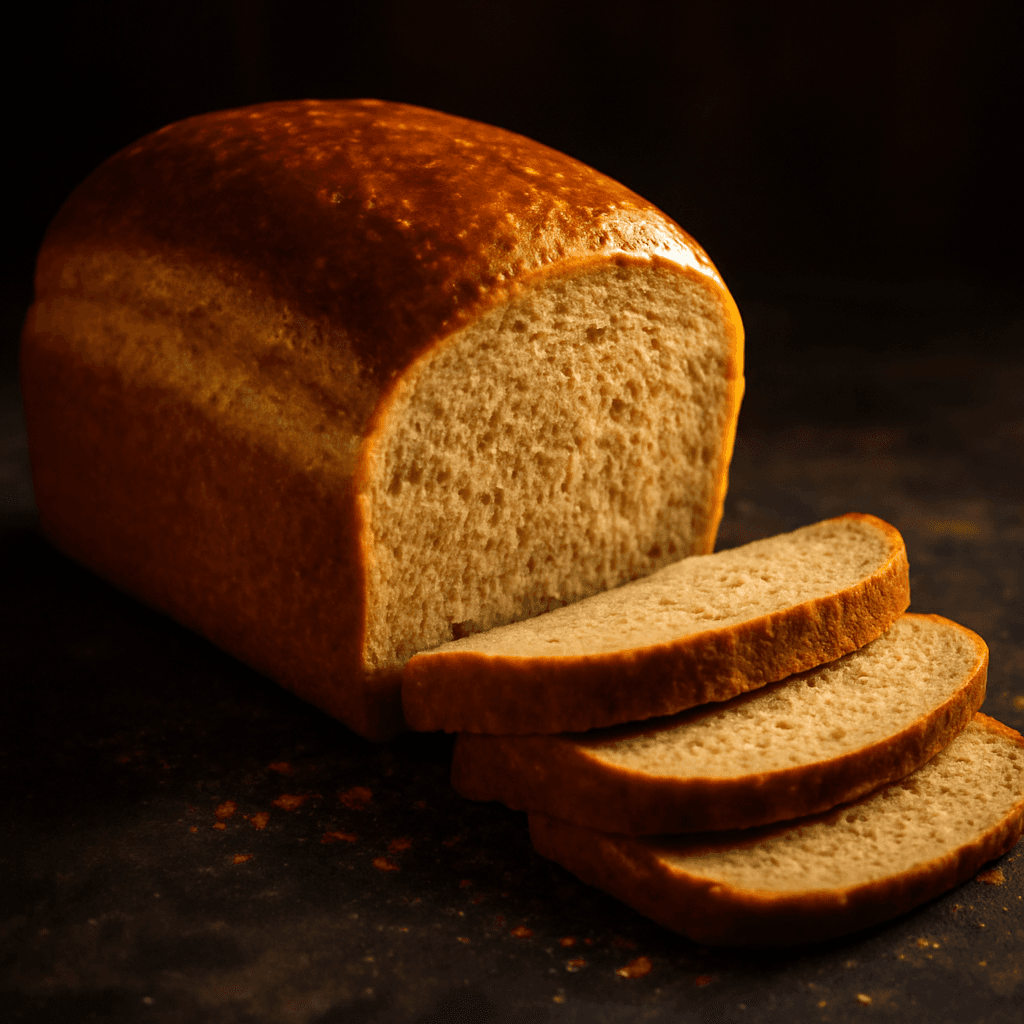
Whole wheat flour drinks up more water than regular flour, so start with the full 1¼ cups and add a splash more if the dough feels stiff — you want it soft and pliable, not crumbly. Honey is doing double duty here: it feeds the yeast and gives the crust a gorgeous golden colour. Once the bread comes out of the oven, brush it with melted butter immediately, then resist the urge to slice until it's cooled completely or the crumb will go gummy.

What to Serve With It

This bread is at its best with something simple — a generous smear of local butter, a drizzle of wildflower honey, or a thick cut of smoked salmon or pastrami. It also holds up beautifully alongside soup on cold evenings, and I love it toasted with cream cheese and a handful of dried cranberries for a quick breakfast that feels like a weekend treat.

Storage & Reheating

Let the loaf cool completely before wrapping it in plastic or a clean tea towel — slicing warm bread is the quickest way to ruin the crumb. At room temperature it stays fresh for three to four days thanks to the oils in the flax and sunflower seeds. For longer storage, wrap it tightly and freeze for up to three months; reheat slices straight from the freezer in a toaster or a 350°F oven for ten minutes.
Nutrition Facts

195

cal

4g

Protein

3g

Fat

36g

Carbs

4g

Fiber

367mg

Sodium

Frequently Asked Questions

Do I have to do the second rise?+

Skip it and you'll get a denser loaf with less volume. The second rise gives the bread its final lift before baking, so don't rush this step if you want that light, airy crumb.

How do I know when the bread is done?+

The crust should be deep golden brown and the loaf should sound hollow when you tap the bottom. An instant-read thermometer inserted into the centre should read 190°F (88°C) for perfect doneness.

Can I make this in a bread machine?+

Not really — the seven-grain blend creates a very stiff dough that most machines struggle with. You'll get much better results kneading by hand or with a stand mixer so you can adjust the hydration yourself.

My dough didn't double during the first rise. What went wrong?+

Check your water temperature — it should be warm, not hot, or you'll kill the yeast. Also make sure your yeast is fresh and hasn't expired. If the kitchen is chilly, tuck the bowl in a turned-off oven with the light on.

Can I freeze this bread?+

Absolutely. Wrap the cooled loaf tightly in plastic wrap and foil, then freeze for up to three months. Thaw overnight at room temperature or reheat slices directly from frozen in a toaster or a 350°F oven for about ten minutes.

Tips & Tricks

  • Whole wheat flour absorbs more water — add extra if dough feels dry.
  • Honey feeds the yeast and helps the bread brown beautifully.
  • Let cool completely before slicing for the best texture.

Reviews (3)

Sarah M.★★★★★

So glad I found this recipe. The instructions are clear and the result is consistently great. I've made it four times already and it's perfect every time.

David C.★★★★★

Bakery-quality bread at home. I followed the recipe exactly and it turned out amazing. The proofing tips really helped.

Lisa P.★★★★★

Made this for a dinner party and everyone wanted the recipe. The bread was the star of the table — warm, crusty, and absolutely delicious.