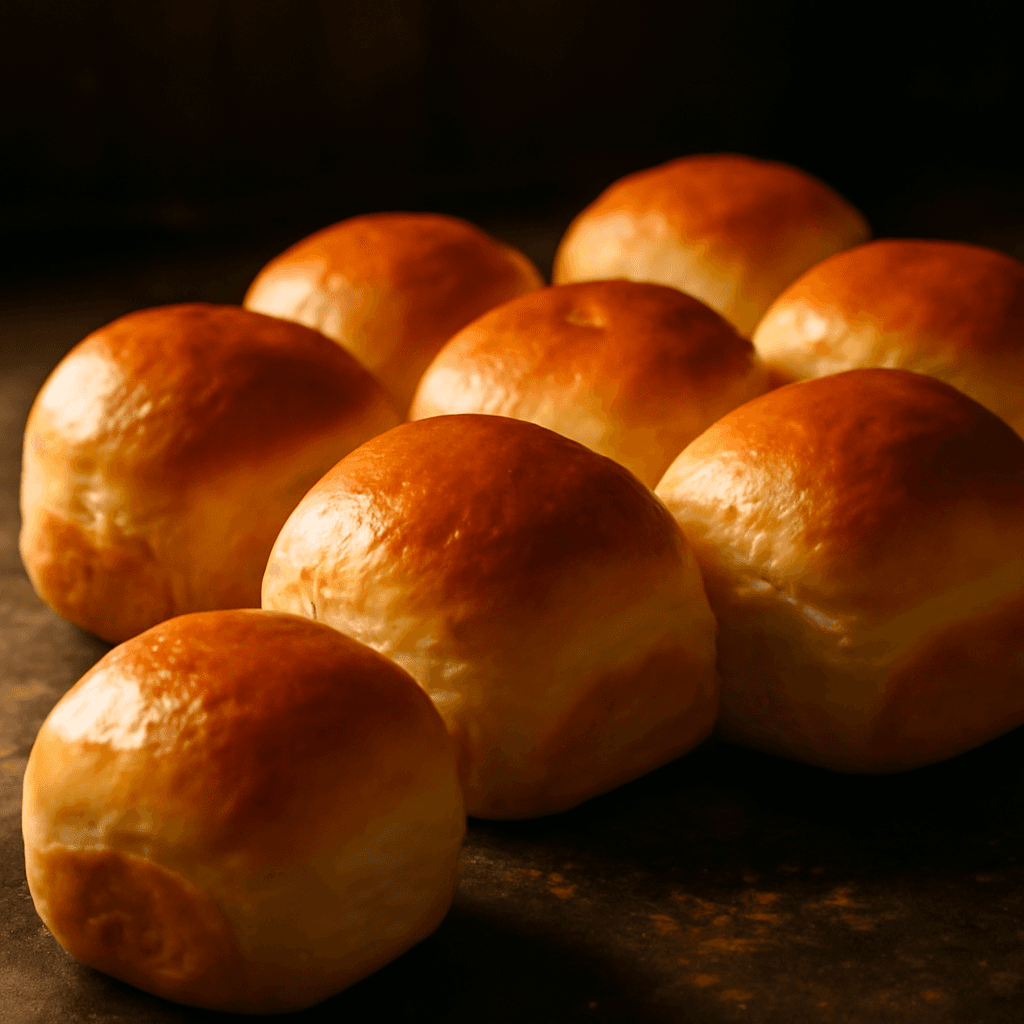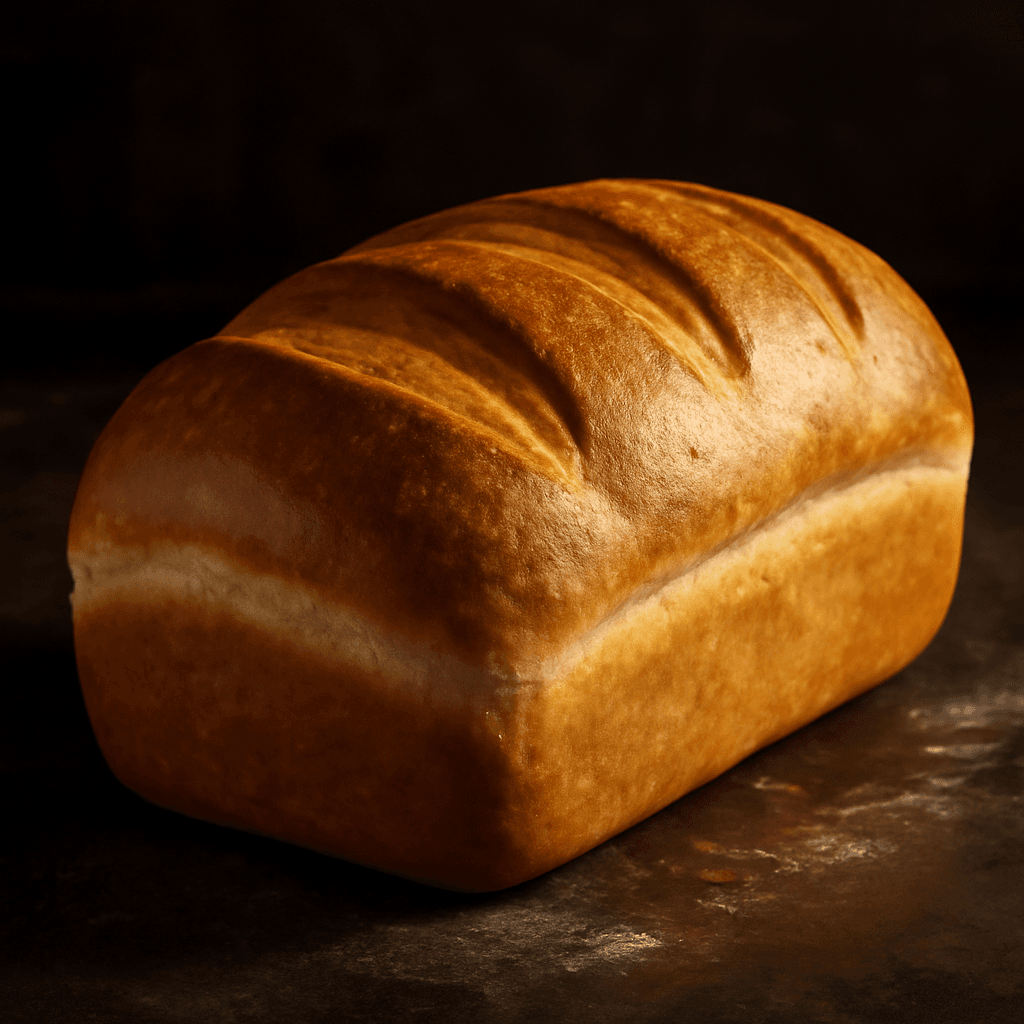
Active Dry Yeast Bread (Classic Two-Rise) - freshly baked bread

Active Dry Yeast Bread (Classic Two-Rise)

Yeast Bread

Traditional two-rise bread using active dry yeast — the classic method that develops the deepest flavour through slow fermentation.

Prep Time

20 min

Proof Time

2h

Bake Time

35 min

Servings

10

Calories

180

Ingredients

  • 3 cups bread flour
  • 2¼ tsp active dry yeast
  • 1 cup warm water (110°F/43°C)
  • 1 tbsp granulated sugar
  • 1 tbsp vegetable oil
  • 1 tsp salt

Instructions

  1. 1

    Proof the Yeast

    Stir sugar into warm water. Sprinkle yeast and wait 5–10 minutes until bubbly.

  2. 2

    Mix the Dough

    Add oil, salt, and flour. Stir until a shaggy dough forms.

  3. 3

    Knead

    Turn out onto a floured surface and knead 8–10 minutes until smooth and elastic.

  4. 4

    First Rise

    Place in an oiled bowl, cover, and let rise 60 minutes until doubled.

  5. 5

    Shape

    Punch down, shape into a loaf, and place in a greased pan.

  6. 6

    Second Rise

    Cover and rise 30 minutes until cresting above the pan.

  7. 7

    Bake

    Bake at 375°F (190°C) for 28–32 minutes. Cool on a rack.

Baker's Notes

The key to great yeast bread is patience. Don't rush the rise — the longer fermentation develops more complex flavours.

Baker Thomas Moreau

About This Recipe

There's something quietly satisfying about the two-rise method — that patient wait while the dough slowly doubles under a towel. What sets this bread apart from quick one-rise loaves is the depth of flavour that comes from giving the yeast time to work. During that full hour of first rising, the yeast isn't just puffing up the dough with carbon dioxide; it's developing organic acids and alcohols that give the crumb a subtle, rounded taste you won't find in rushed breads.

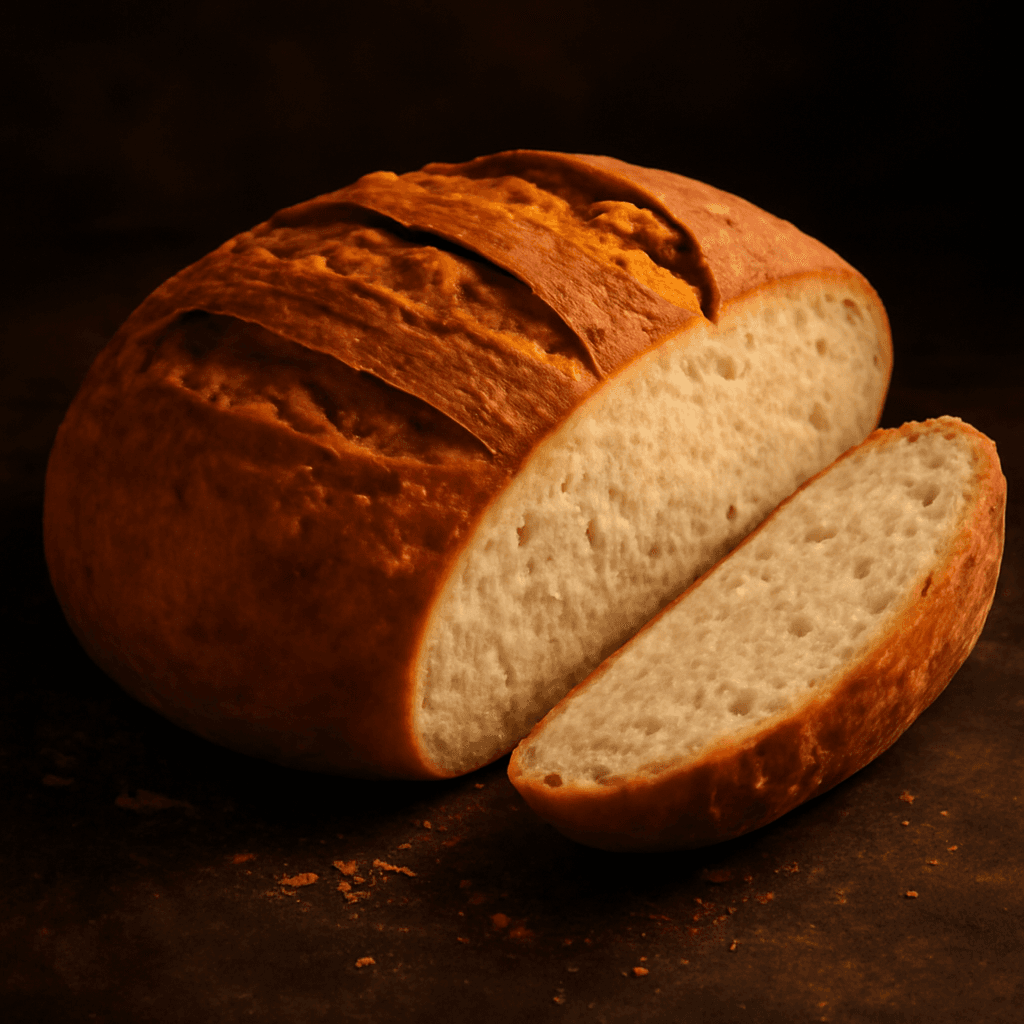
Canadian home cooks have relied on this method for generations because it delivers consistent results without fancy equipment. A simple loaf pan, some bread flour, and active dry yeast are all you need. The result is a crust that cracks satisfyingly when you pull it from the oven, with a tender interior that slices cleanly and holds up beautifully to butter.

Tips for the Best Active Dry Yeast Bread (Classic Two-Rise)

Make sure your water hits 110°F — too hot and you'll kill the yeast, too cool and it won't activate. When you knead, aim for a dough that's slightly tacky to the touch but doesn't cling to your fingers. If it sticks, add flour a tablespoon at a time. The second rise is where patience pays off: let it crest above the pan before baking, or you'll get a dense loaf.

What to Serve With It

Serve warm with salted butter — nothing beats a fresh slice straight from the cooling rack. It's excellent alongside a bowl of split pea soup or poutine gravy, and works wonderfully for sandwiches since the crumb holds together without falling apart. I like to toast leftover slices with a little honey and cinnamon for breakfast.

Storage & Reheating

Keep the loaf in a bread box or paper bag at room temperature for up to three days. For longer storage, wrap tightly in plastic and freeze for up to two months — thaw overnight and refresh in a 350°F oven for five minutes. Don't refrigerate it; the cold accelerates staling far faster than leaving it out.
Nutrition Facts

180

cal

8g

Protein

4g

Fat

26g

Carbs

3g

Fiber

318mg

Sodium

Frequently Asked Questions

Can I use instant yeast instead of active dry?+

Yes, substitute one-to-one by weight, but skip the proofing step and mix it directly into the flour. You may want to reduce the water slightly since instant yeast absorbs moisture differently.

How do I know if my yeast is still good?+

Proof it in warm water with a pinch of sugar. If it foams and becomes bubbly within five to ten minutes, it's alive and ready to go. No foam means the yeast has lost its potency — buy a fresh packet.

Why does my dough not rise in a cool kitchen?+

Yeast slows dramatically below 70°F. Try propping the oven door open with the light on — the gentle warmth creates an ideal rising environment. A bowl of hot water in the oven can also help raise the ambient temperature.

What's the best way to tell when the bread is done baking?+

An internal temperature of 190°F confirms doneness. If you don't have a thermometer, tap the bottom of the loaf — it should sound hollow. The crust should be golden brown, not pale.

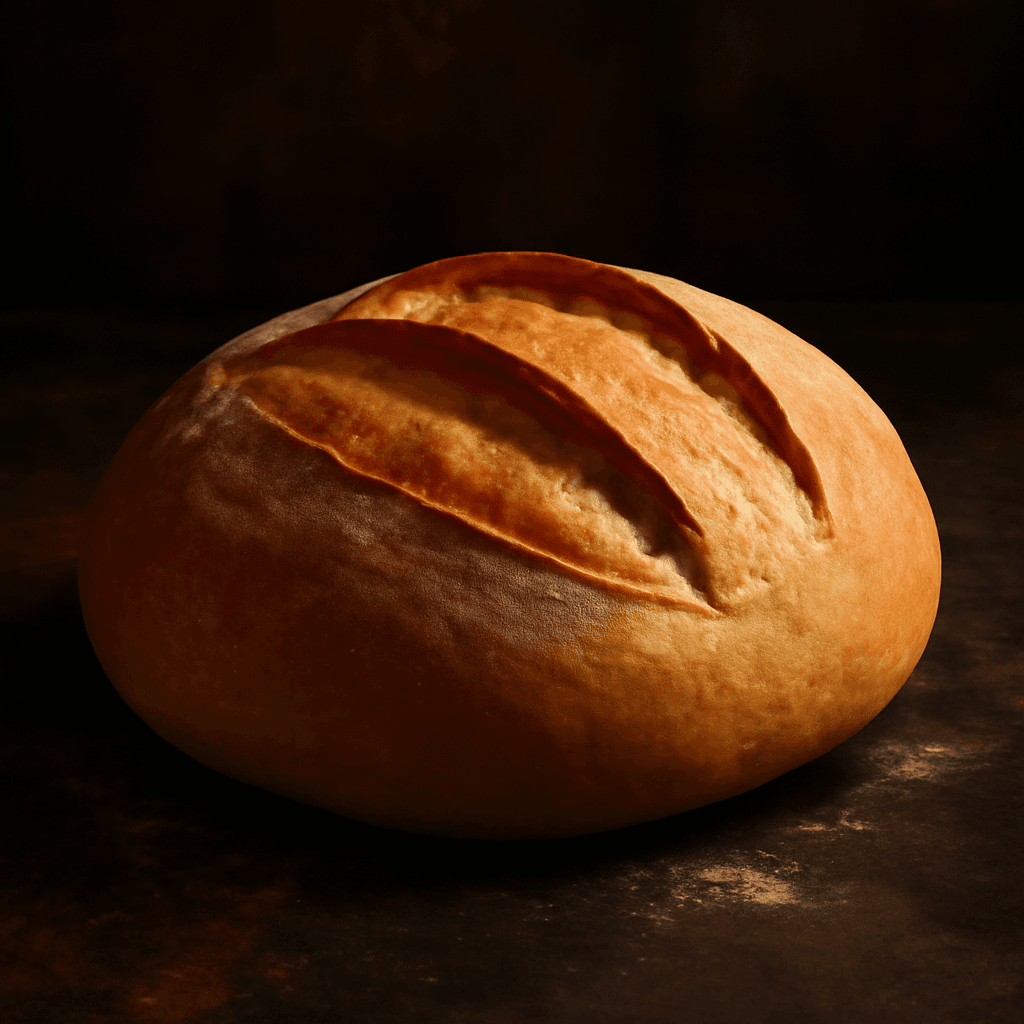
Can I shape this into a boule instead of a loaf pan?+

Absolutely. After the second rise, form the dough into a round and let it rise again until it crests. Bake on a parchment-lined sheet at the same temperature. A boule typically bakes in 30 to 35 minutes.

Tips & Tricks

  • If your kitchen is cool, let the dough rise in the oven with just the light on.
  • Test yeast freshness: if it doesn't foam within 10 minutes, the yeast is dead.
  • The dough should be slightly tacky but not sticky when properly kneaded.

Reviews (3)

Chantal D.★★★★★

Easy to prepare and so delicious! Even my picky kids went for seconds. This bread has become a staple in our home.

Pierre T.★★★★★

Excellent recipe. I followed the instructions to the letter and the result was perfect. My wife loved it. The best homemade bread I've made.

Marie L.★★★★★

Made this last weekend and my family loved it! The bread came out perfectly golden with a beautiful crust. Will definitely be making this again.