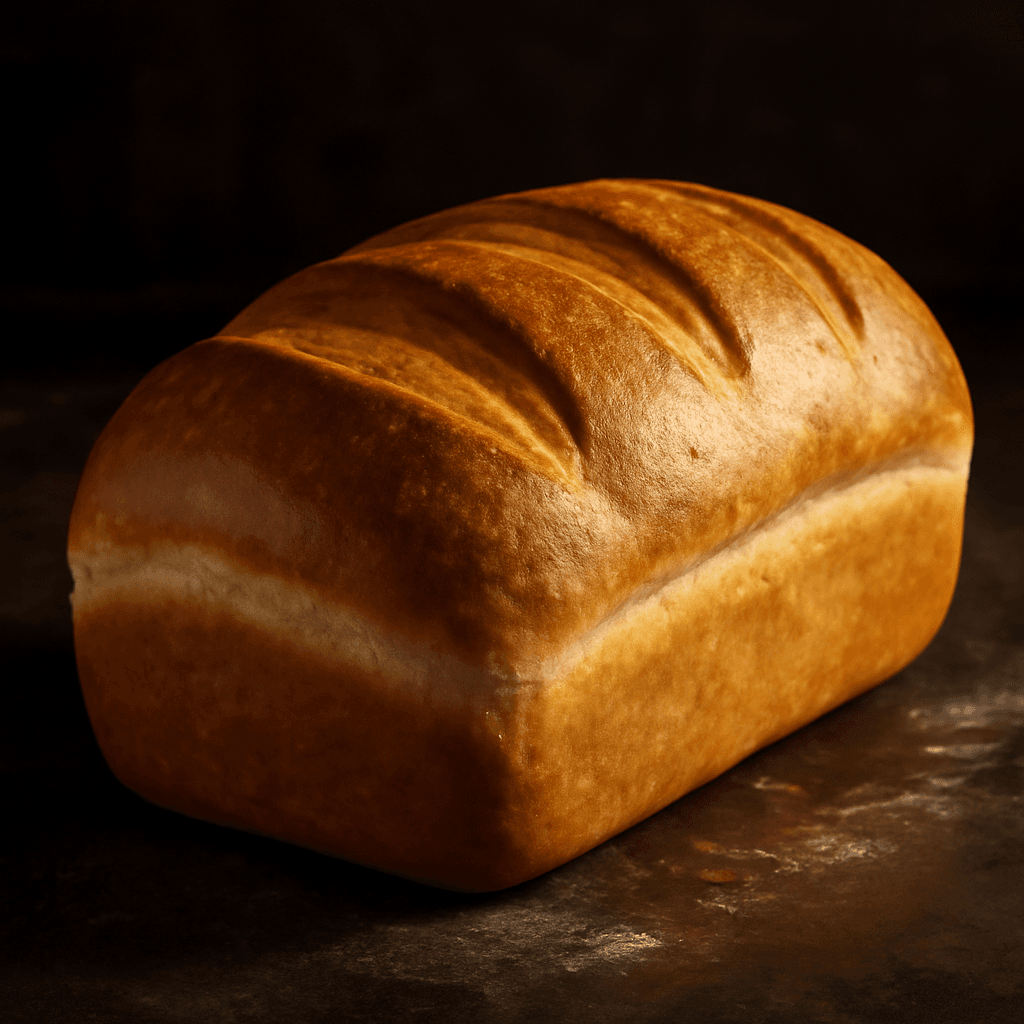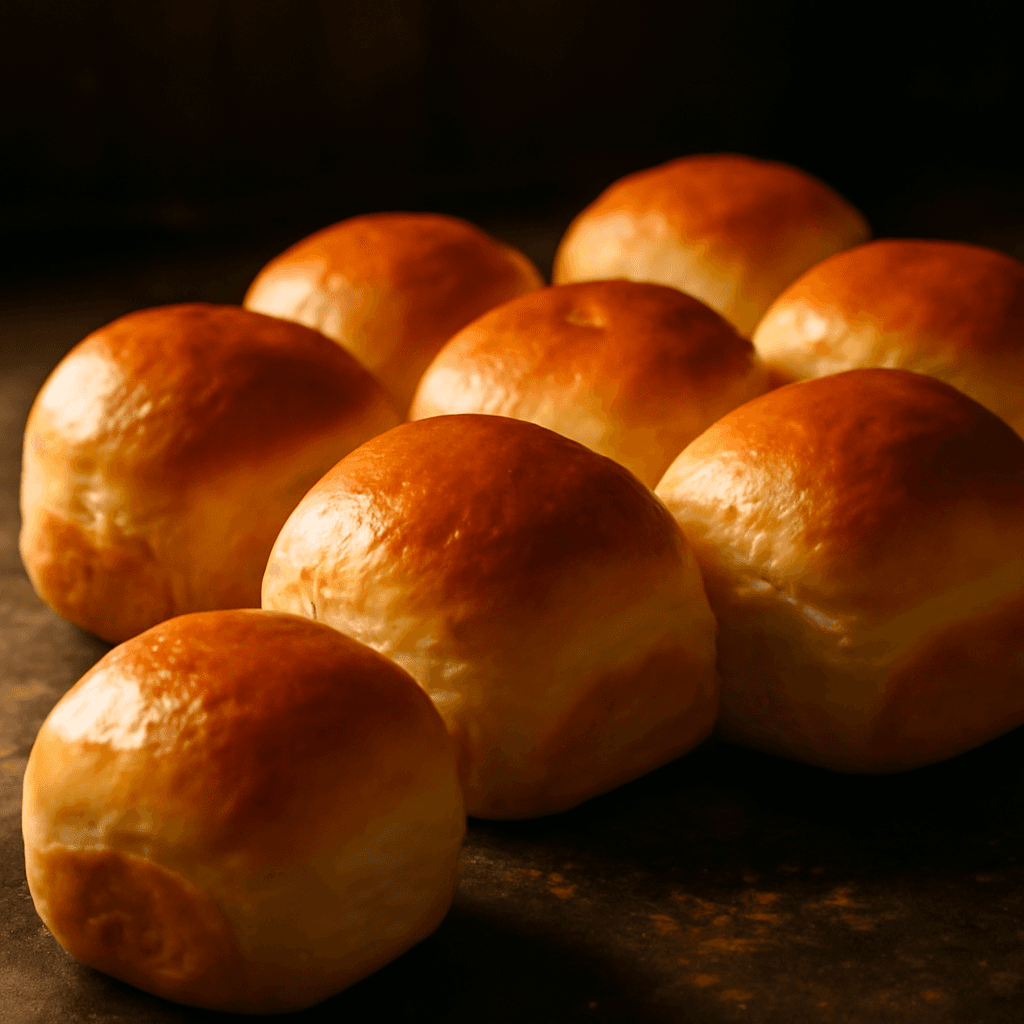
Fast-Rising Yeast Dinner Rolls - freshly baked bread

Fast-Rising Yeast Dinner Rolls

Yeast Bread

Pillowy soft dinner rolls ready in just over an hour. Fast-rising yeast and a warm oven proof make these the quickest yeast rolls.

Prep Time

15 min

Proof Time

35 min

Bake Time

18 min

Servings

10

Calories

155

Ingredients

  • 3 cups bread flour
  • 2¼ tsp active dry yeast
  • 1 cup warm water (110°F/43°C)
  • 1 tbsp granulated sugar
  • 1 tbsp vegetable oil
  • 1 tsp salt

Instructions

  1. 1

    Proof the Yeast

    Stir sugar into warm water. Sprinkle yeast and wait 5–10 minutes until bubbly.

  2. 2

    Mix the Dough

    Add oil, salt, and flour. Stir until a shaggy dough forms.

  3. 3

    Knead

    Turn out onto a floured surface and knead 8–10 minutes until smooth and elastic.

  4. 4

    First Rise

    Place in an oiled bowl, cover, and let rise 60 minutes until doubled.

  5. 5

    Shape

    Punch down, shape into a loaf, and place in a greased pan.

  6. 6

    Second Rise

    Cover and rise 30 minutes until cresting above the pan.

  7. 7

    Bake

    Bake at 375°F (190°C) for 28–32 minutes. Cool on a rack.

Baker's Notes

The key to great yeast bread is patience. Don't rush the rise — the longer fermentation develops more complex flavours.

Baker Thomas Moreau

About This Recipe

These fast-rising yeast dinner rolls are the kind of bread that saves busy weeknights. By proofing the yeast in warm water and letting the dough rise in a turned-on oven, you get pillowy soft rolls in just over an hour—far quicker than traditional methods. A touch of sugar sweetens the crumb, while the vegetable oil keeps every bite tender.

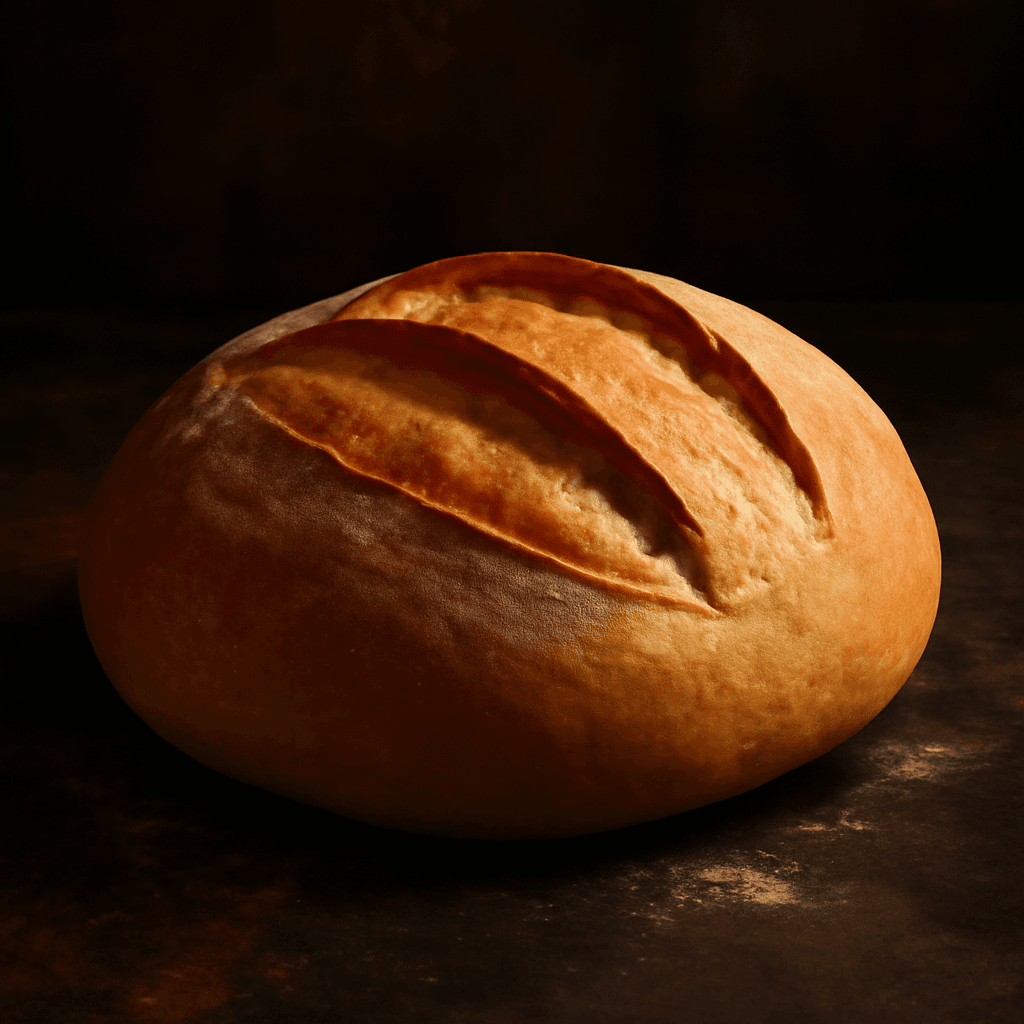
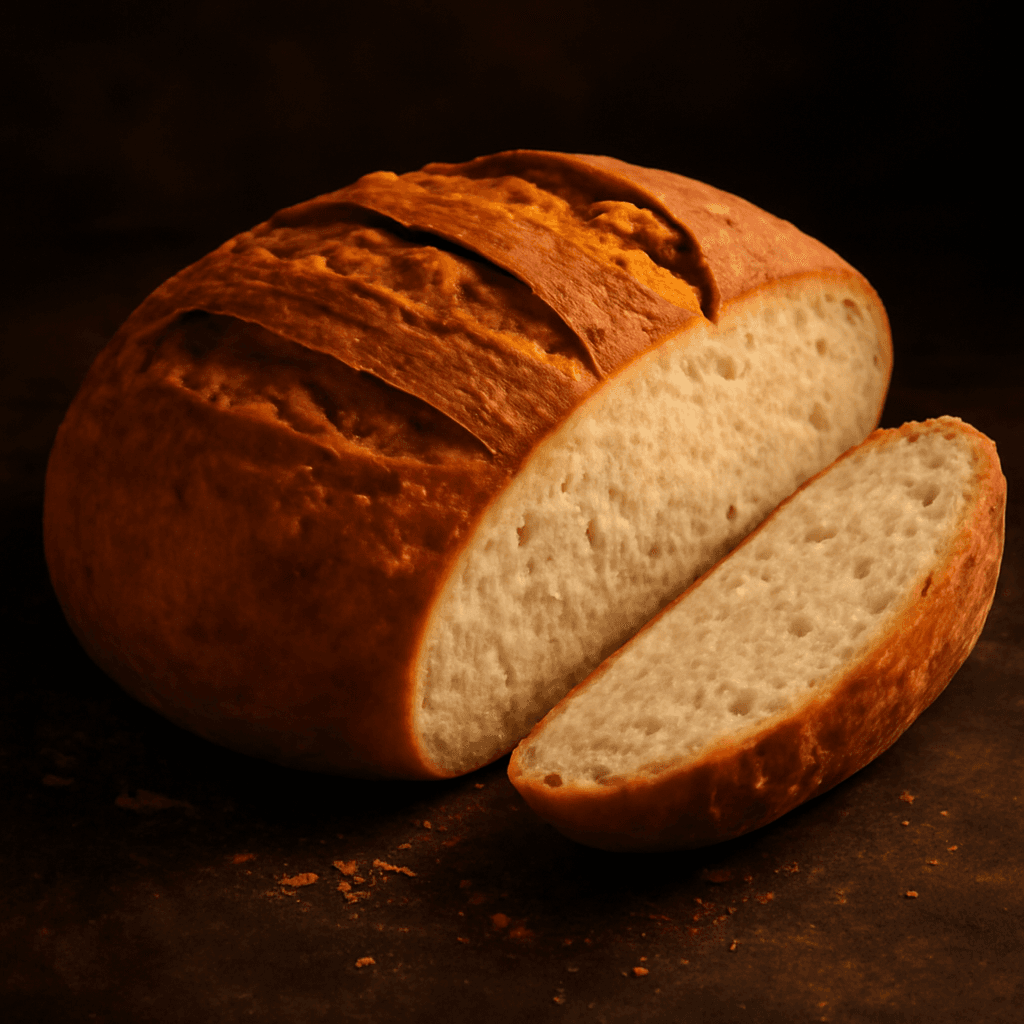
Canadian home cooks love these because they deliver bakery-quality results without the all-day commitment. The crust turns golden and crackly, the interior stays impossibly soft, and they're perfect alongside Sunday pot roast or a quick weeknight stir-fry.

Tips for the Best Fast-Rising Yeast Dinner Rolls

Proof your yeast properly—the sugar and warm water should create a foamy head within five minutes, or your yeast may be past its prime. When kneading, aim for a dough that's slightly tacky to the touch but cleans the sides of your bowl. The warm oven proof (light only) is your best friend on cold days; it creates the ideal 75°F environment for a steady rise.

What to Serve With It

Serve warm straight from the rack with whipped butter or herb-infused compound butter. These rolls shine alongside slow-roasted pork loin, creamy mashed potatoes, or a hearty beef stew. They're also excellent for Thanksgiving dinner, where you can bake them while the turkey rests. Pair with a glass of red wine for a cozy winter supper.

Storage & Reheating

Store cooled rolls in an airtight container at room temperature for up to two days, or wrap tightly in foil and freeze for up to three months. Reheat wrapped rolls at 350°F for 10 minutes, or microwave individually for 20 seconds. For the freshest texture, thaw frozen rolls overnight and refresh in a hot oven before serving.
Nutrition Facts

155

cal

4g

Protein

6g

Fat

37g

Carbs

2g

Fiber

304mg

Sodium

Frequently Asked Questions

Can I use instant yeast instead of active dry?+

Yes—use the same amount and skip the proofing step. Simply mix the instant yeast directly with the flour, then add the warm water and other ingredients.

Why didn't my dough rise in the oven?+

The oven light alone may not provide enough warmth in very cold kitchens. Try placing the bowl near the stove burner or using a heating pad wrapped around the bowl to maintain a steady temperature.

How do I know when the rolls are fully baked?+

They should be deep golden brown on top and sound hollow when tapped on the bottom. An internal temperature of 190°F confirms they're done through the centre.

Can I shape these into individual rolls instead of a loaf?+

Absolutely. Divide the dough into 12 equal pieces, shape each into a ball, and arrange them in a greased 9x13-inch baking pan. They'll bake in about 20 minutes.

What's the difference between bread flour and all-purpose flour here?+

Bread flour has more protein, which gives these rolls their characteristic chew and structure. All-purpose works in a pinch, but the rolls will be slightly softer and less substantial.

Tips & Tricks

  • If your kitchen is cool, let the dough rise in the oven with just the light on.
  • Test yeast freshness: if it doesn't foam within 10 minutes, the yeast is dead.
  • The dough should be slightly tacky but not sticky when properly kneaded.

Reviews (4)

Pierre T.★★★★★

Excellent recipe. I followed the instructions to the letter and the result was perfect. My wife loved it. The best homemade bread I've made.

Marie L.★★★★★

Made this last weekend and my family loved it! The bread came out perfectly golden with a beautiful crust. Will definitely be making this again.

Michael W.★★★★★

This recipe is a keeper. The Baker's Notes really helped me understand the technique. My new favourite bread to bake on weekends.

Sarah M.★★★★★

So glad I found this recipe. The instructions are clear and the result is consistently great. I've made it four times already and it's perfect every time.