About This Recipe
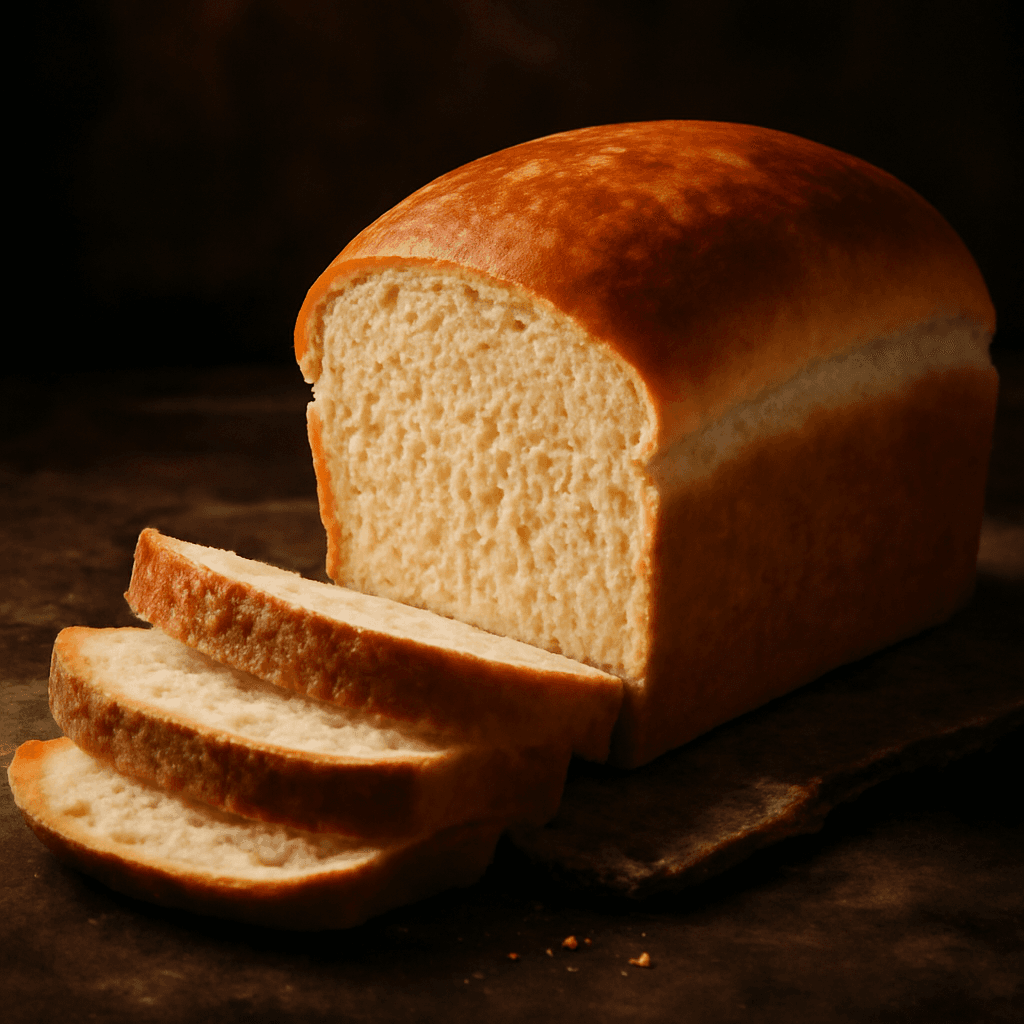
There's something almost magical about pulling a loaf of homemade white bread from the oven — that warm yeasty aroma filling the kitchen, the crust crackling as it cools, and the promise of a soft, pillowy crumb just waiting to be torn apart. This particular loaf, which I call the ultimate white bread because it really does live up to the name, is the kind of recipe that anchors a Canadian kitchen. Whether you're making sandwiches for kids headed off to school or serving it alongside a rich chicken stew on a damp November evening, there's a comfort in knowing exactly what went into it.
What sets this recipe apart is the simple two-rise method that gives the bread its signature lightness. Starting with just warm water, a touch of sugar to wake up the yeast, and enough all-purpose flour to hold it together, you get a dough that's forgiving enough for beginners yet rewarding enough to keep coming back to. The butter folded in before the first rise keeps things tender, and that final rise in the loaf pan creates the kind of golden crust that makes you want to bake another one before the first one's even gone.
Tips for the Best Classic Homemade White Bread
The single biggest mistake I see is using water that's too hot — anything above 115°F will kill the yeast dead. Test it against your wrist: it should feel warm, not hot. During kneading, resist the urge to add extra flour; the dough should tack up but not stick. If you're using a stand mixer, switch to hand-kneading after the dough hook has brought it together — you'll develop better feel for when the gluten is ready. A properly kneaded dough passes the windowpane test: stretch a small piece thin enough to see light through it without tearing.
What to Serve With It
This bread shines as simple buttered toast with a good slab of salted butter — nothing fancy, just the bread doing what bread was meant to do. For lunch, it makes exceptional peanut butter and jelly sandwiches or ham and cheese melts. It's also the ideal companion to a bowl of French onion soup or a hearty vegetable chowder, especially during Ontario and Quebec winters. I love slicing it thick and serving it alongside roast chicken with the pan drippings pooled on the plate.
Storage & Reheating
Keep the loaf wrapped in a clean kitchen towel at room temperature for up to three days — plastic wrap traps moisture and can make the crust go soggy faster. For longer storage, slice the bread once completely cooled, bag it tightly in freezer-safe bags, and freeze for up to three months. Toast frozen slices straight from the freezer at 350°F for about 10 minutes, or pop individual slices through the toaster for a quick breakfast.