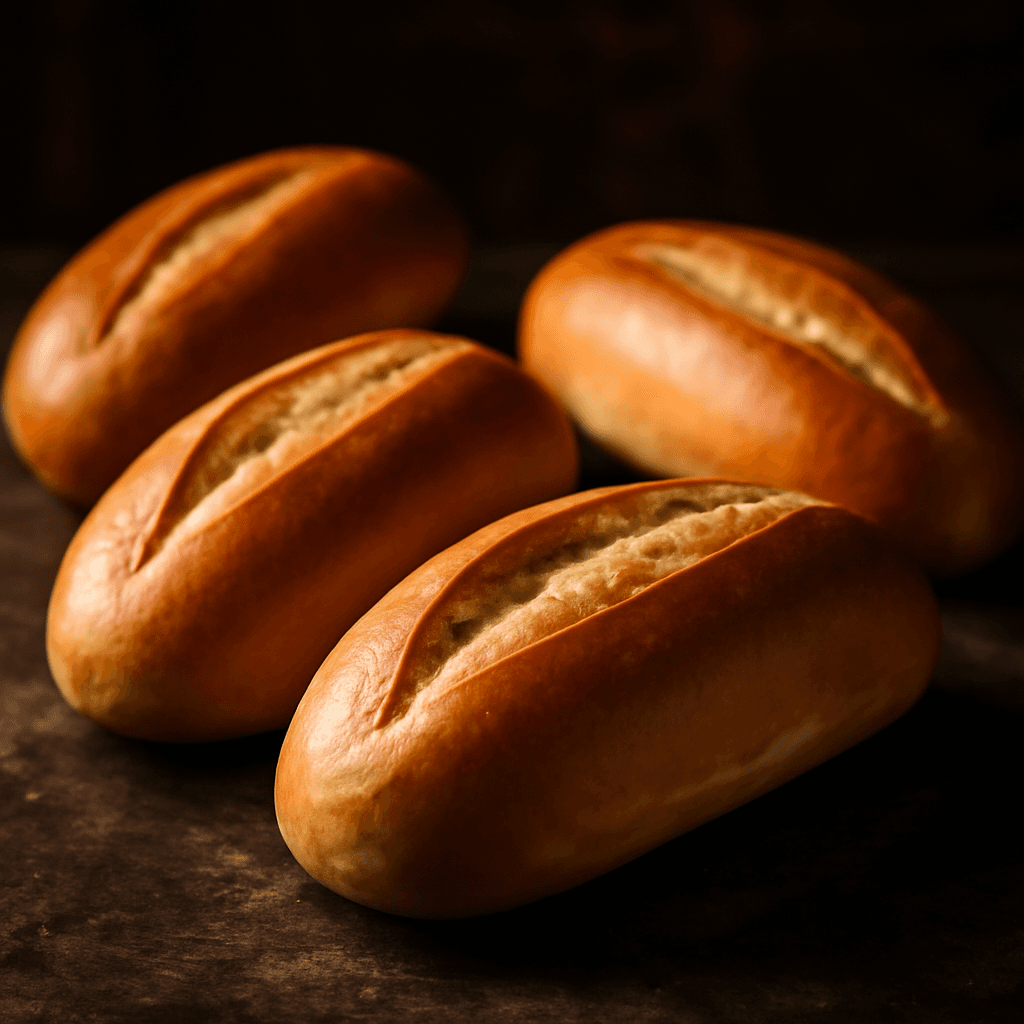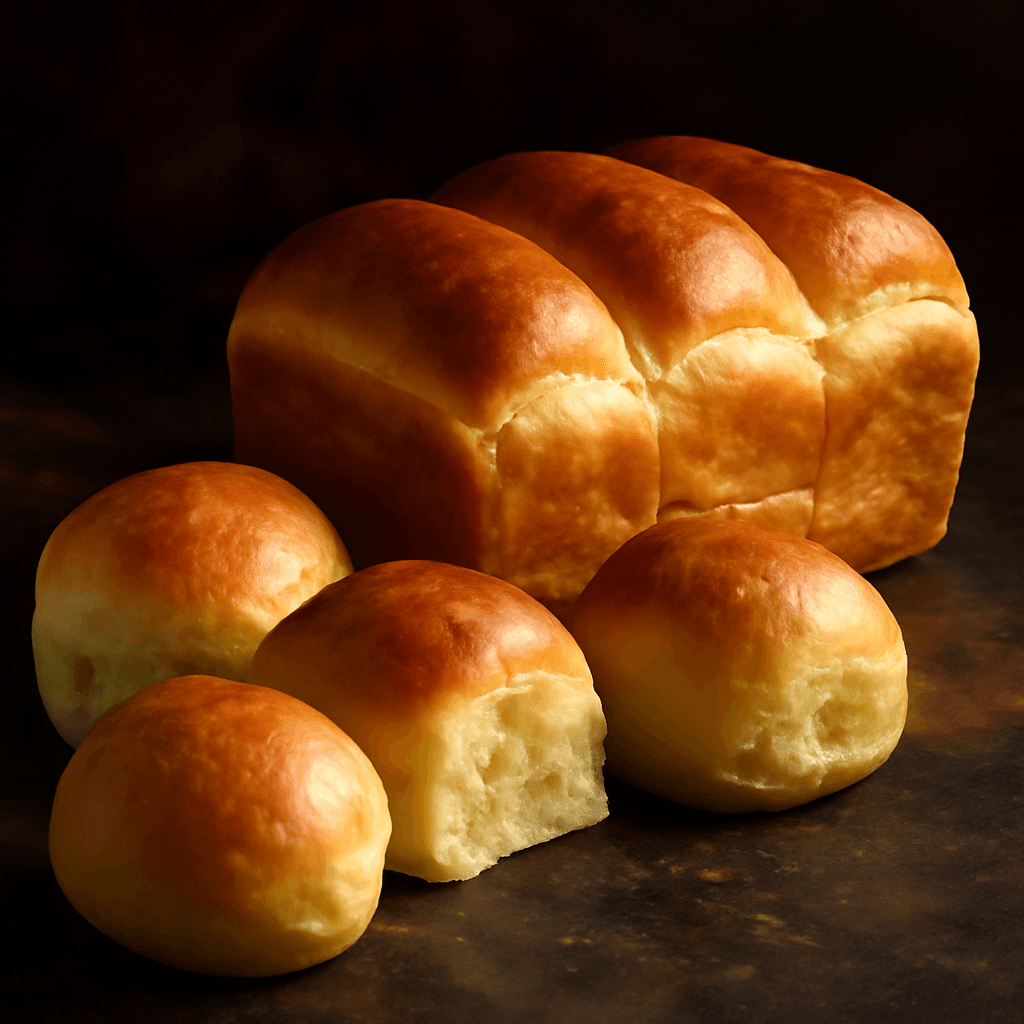
Soft Potato Bread - freshly baked bread

Soft Potato Bread

Classic White & Sandwich Bread

Incredibly soft and moist bread made with real mashed potatoes. The starch keeps the crumb tender for days.

Prep Time

30 min

Proof Time

1h 30m

Bake Time

35 min

Servings

10

Calories

195

Ingredients

  • 3 cups all-purpose flour
  • 2¼ tsp active dry yeast
  • 1 cup warm water (110°F/43°C)
  • 2 tbsp granulated sugar
  • 2 tbsp unsalted butter, softened
  • 1 tsp salt

Instructions

  1. 1

    Activate the Yeast

    Dissolve sugar in warm water. Sprinkle yeast over top and let stand 5–10 minutes until foamy.

  2. 2

    Mix the Dough

    Add butter, salt, and flour to the yeast mixture. Stir until a shaggy dough forms.

  3. 3

    Knead

    Turn out onto a floured surface and knead 8–10 minutes until smooth and elastic.

  4. 4

    First Rise

    Place in a greased bowl, cover, and let rise 60 minutes until doubled.

  5. 5

    Shape the Loaf

    Punch down and shape into a loaf. Place seam-side down in a greased 9×5-inch pan.

  6. 6

    Second Rise

    Cover and rise 30 minutes until the dough crests above the pan.

  7. 7

    Bake

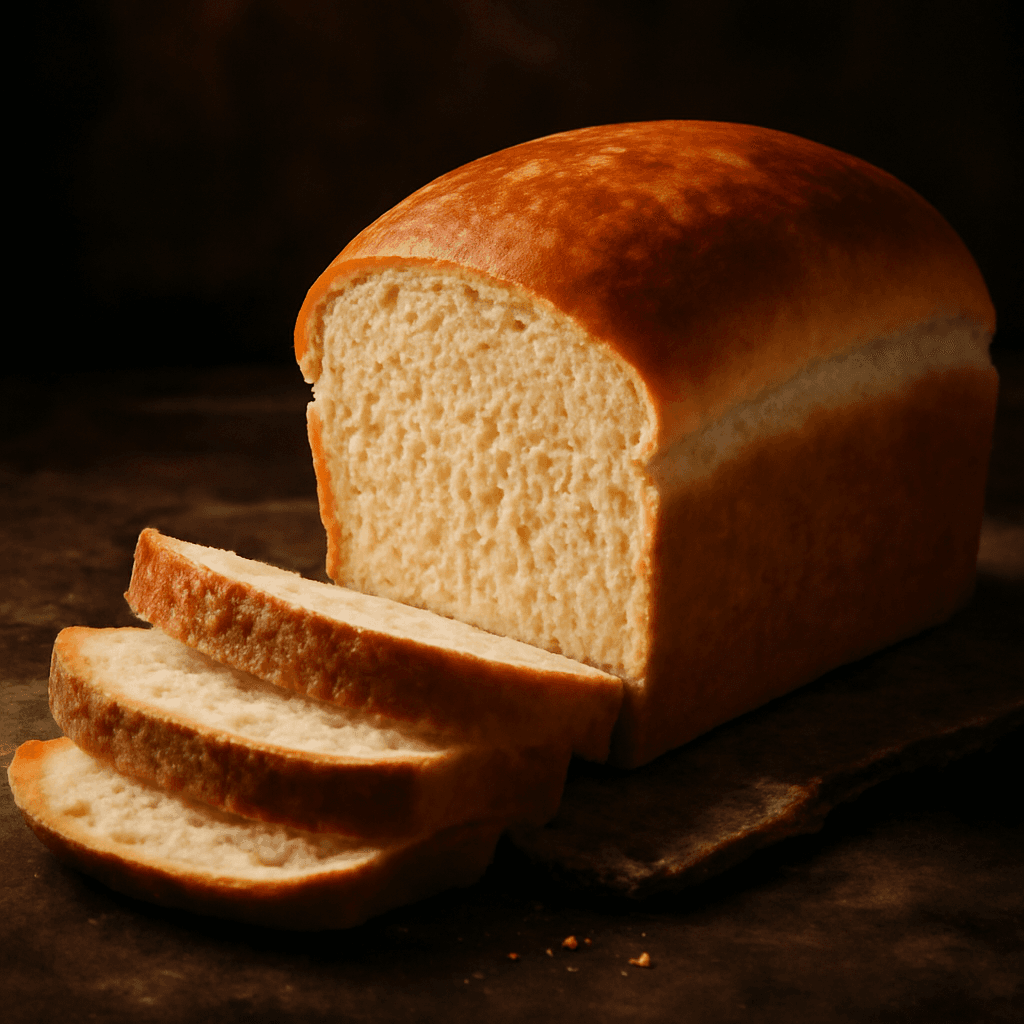
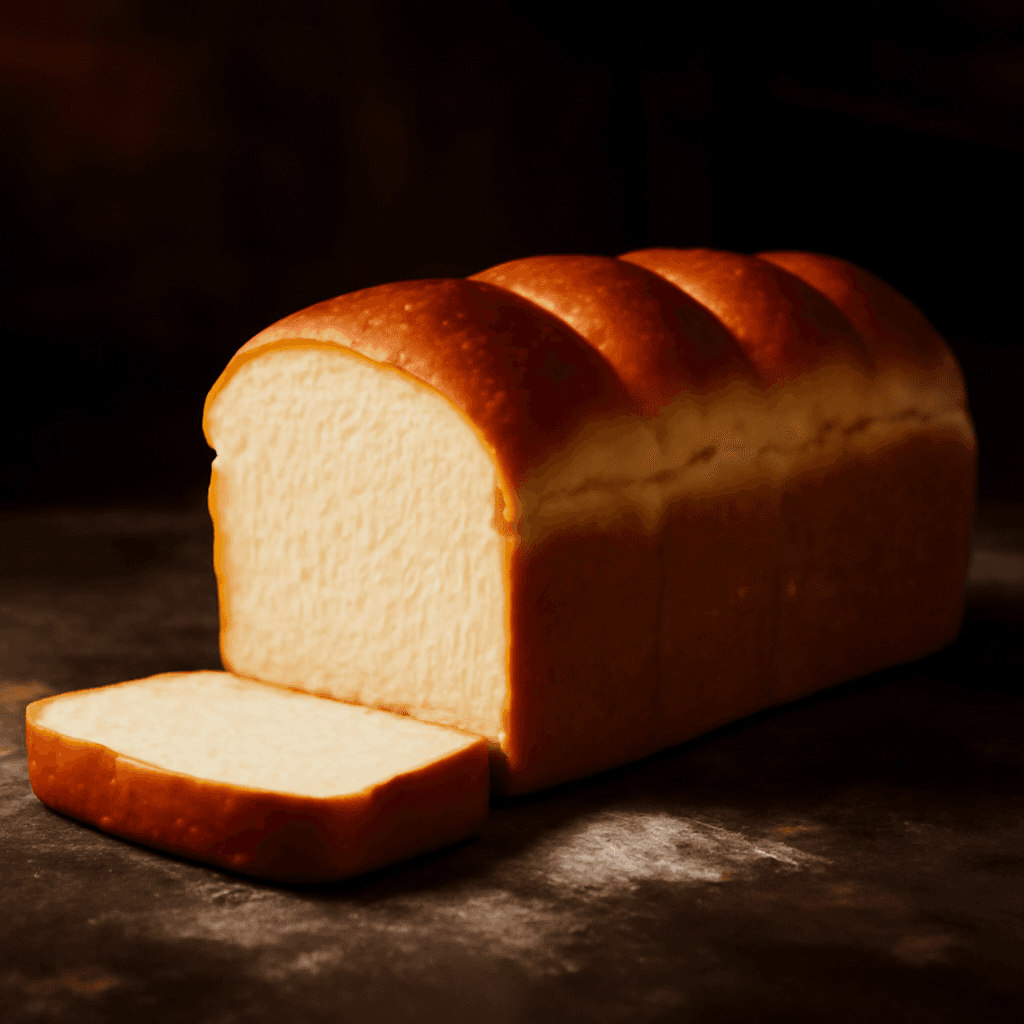
    Bake at 375°F (190°C) for 28–32 minutes until golden brown and internal temp reaches 190°F. Cool on a rack.

Baker's Notes

I always use a stand mixer with a dough hook for the initial mixing, then finish by hand — you get better feel for when the gluten is properly developed.

Baker Thomas Moreau

About This Recipe

Potato bread has this quiet magic that catches you off guard the first time you bite into a slice — that cloud-like crumb, impossibly soft and springy, with a faintly sweet earthiness that comes from the mashed potato folded right into the dough. It's one of those old-school home bakes that never really went away, probably because once you've tasted it, nothing else feels quite satisfying for sandwiches or toast.

What makes it so beloved around Canadian kitchens is how generous it is — the potato starch acts like a natural tenderizer, keeping the loaf moist for days even if you're a bit rough with timing. You'll find it in family recipes passed down through generations, often called for when hosting a crowd because it bakes up so reliably and slices so cleanly. There's something deeply comforting about pulling a loaf from the oven, brushing it with butter, and knowing dinner will feel a little more like home.

Tips for the Best Soft Potato Bread

Gardez votre eau entre 110 et 115°F — au-delà, vous tuerez la levure et le pain ne montera pas, en dessous il démarrera mollement. Vous saurez que vous avez pétris assez quand la pâte revient lentement quand vous la piquez, lisse et soyeuse en surface. Après la cuisson, résistez à l'envie de trancher tout de suite; la mie a besoin de se fixer en refroidissant sur une grille, sinon vous obtiendrez des bouchées collantes.

What to Serve With It

Warm slices with a generous pat of salted butter — a Canadian staple for a reason. This bread shines as the foundation for a classic grilled cheese, its softness yielding beautifully to melted cheddar or pepper jack. Spread it with a thin layer of maple butter for a simple breakfast, or serve alongside a bowl of onion soup for a hearty supper. It also makes excellent French toast, soaking up egg custard without falling apart.

Storage & Reheating

Wrap cooled loaves tightly in plastic wrap and keep them on the counter for up to three days — the potato starch slows staling nicely. For longer storage, freeze fully wrapped portions for up to three months; thaw at room temperature and refresh in a 350°F oven for five minutes before slicing. Avoid refrigerating it, which actually accelerates staling in breads like this one.
Nutrition Facts

195

cal

8g

Protein

5g

Fat

30g

Carbs

4g

Fiber

260mg

Sodium

Frequently Asked Questions

Can I use instant potatoes instead of fresh ones?+

Yes, but measure carefully. Instant mashed potato flakes absorb liquid differently than fresh, so start with a smaller amount and adjust the flour gradually. You want a pliable, slightly tacky dough rather than a stiff one.

My bread came out dense — what went wrong?+

Check your water temperature first; yeast that was too hot died before it could do its job. Also verify your yeast wasn't expired, and make sure you kneaded long enough to develop gluten. Over-proofing can collapse the structure, while under-proofing leaves it tight and heavy.

How do I tell when this bread is properly baked?+

An internal temperature of 190°F is your best indicator. The crust should be a deep golden brown, and the loaf should sound hollow when tapped on the bottom. If it's pale and dense inside, give it another few minutes.

Can I make this dough ahead and refrigerate it?+

After the first rise, punch down the dough, wrap it tightly in plastic, and refrigerate overnight. The cold fermentation will develop richer flavour and give you a head start on shaping the next morning.

Why does this bread taste slightly sweet?+

The potato starch breaks down into sugars during baking, which gives potato bread its characteristic gentle sweetness. That flavour pairs beautifully with butter and makes it naturally appealing for breakfast or dessert applications.

Tips & Tricks

  • Use a thermometer to check water temperature — too hot kills the yeast, too cold won't activate it.
  • For a softer crust, brush the top with melted butter right out of the oven.
  • Let the bread cool completely before slicing for the cleanest cuts.

Reviews (3)

Michael W.★★★★★

This recipe is a keeper. The Baker's Notes really helped me understand the technique. My new favourite bread to bake on weekends.

Sarah M.★★★★★

So glad I found this recipe. The instructions are clear and the result is consistently great. I've made it four times already and it's perfect every time.

David C.★★★★★

Bakery-quality bread at home. I followed the recipe exactly and it turned out amazing. The proofing tips really helped.