About This Recipe
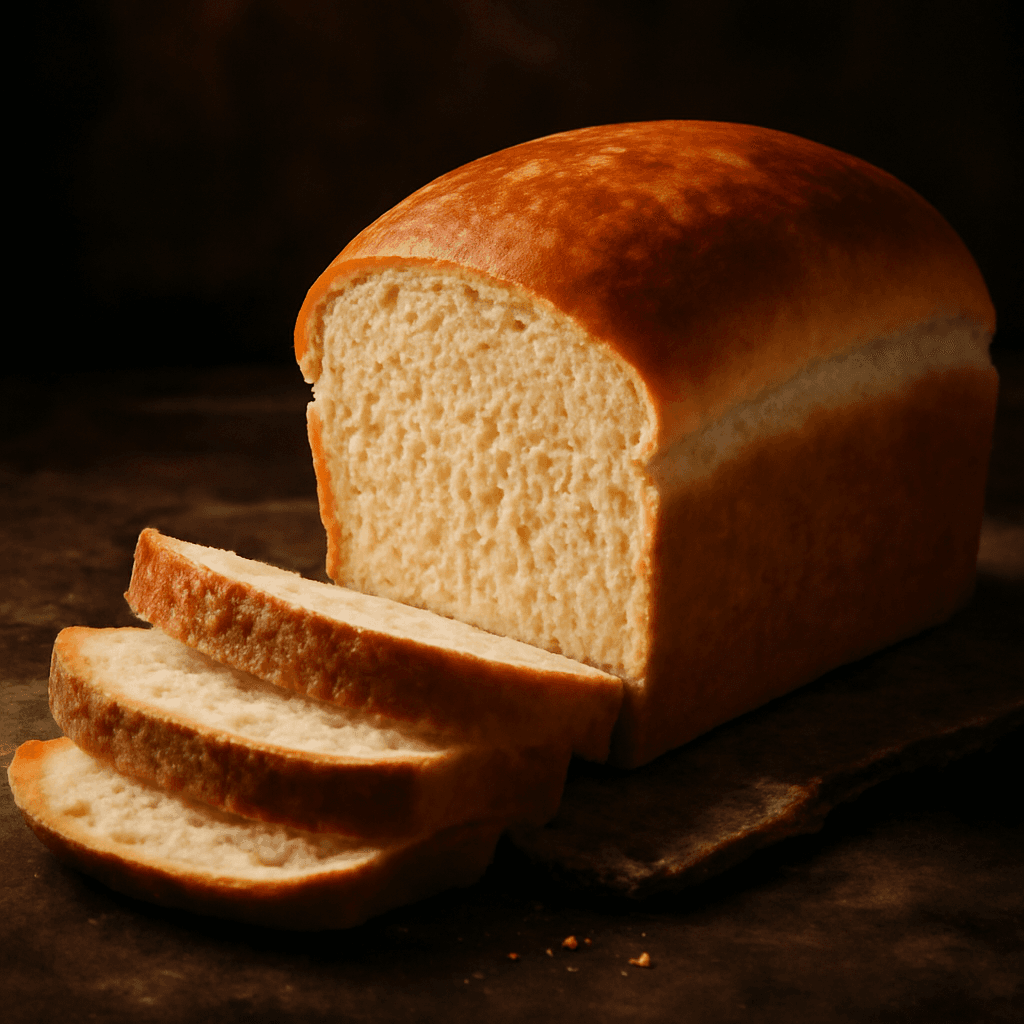
There is something quietly triumphant about pulling a perfectly risen loaf of sandwich bread from the oven — that deep golden crust, the faint yeasty perfume that fills the kitchen, and the promise of slices that hold together without crumbling. This soft sandwich loaf is the kind of bread I reach for when I want something comforting, reliable, and genuinely better than anything from the supermarket. Three cups of flour, a little yeast, warm water, butter, and sugar are all it takes to create a crumb that's tender enough for morning toast and sturdy enough for grilled cheese.
What makes this loaf special is how it rewards patience with texture. The yeast activation step — watching that sugary water bloom into foam — sets the stage for a crumb that stays soft for days. A quick knead develops just enough gluten to give structure without turning tough, and a second rise in the loaf pan creates that signature tall, uniform shape. Brushing the top with melted butter straight out of the oven seals in moisture and gives you that velvety surface every sandwich-lover craves.
Tips for the Best Soft Sandwich Loaf
Keep your water between 110 and 115 degrees F — anything hotter will kill the yeast, and anything cooler means a sluggish rise you'll spend hours waiting for. The dough should feel smooth and slightly tacky after kneading; if it sticks stubbornly to your hands, add flour by the tablespoon rather than dumping it all in at once. Don't skip the second rise: that extra 30 minutes in the pan is what gives you tall, even slices instead of a dense brick. And resist the urge to slice while warm — the crumb needs to set completely for clean cuts.
What to Serve With It
This bread shines in the simplest applications. Warm it lightly in the toaster and slather with salted butter and a drizzle of maple syrup for a classic Canadian breakfast. For lunchboxes, it's the ideal vehicle for peanut butter and banana — the soft crumb holds the fruit without going soggy. Grilled cheese lovers will appreciate how the tender interior contrasts with a crispy exterior when cooked in a skillet with butter. It also makes excellent toast points served with soup or chili on chilly evenings.
Storage & Reheating
Store cooled bread in a sealed plastic bag or container at room temperature for up to three to four days. For longer keeping, wrap individual slices tightly in plastic and freeze for up to three months — thaw at room temperature or toast directly from frozen. To revive day-old slices, microwave them briefly with a damp paper towel or reheat in a low oven. Avoid refrigeration, which accelerates staling by causing the starch to crystallize faster than cold air alone would suggest.