About This Recipe
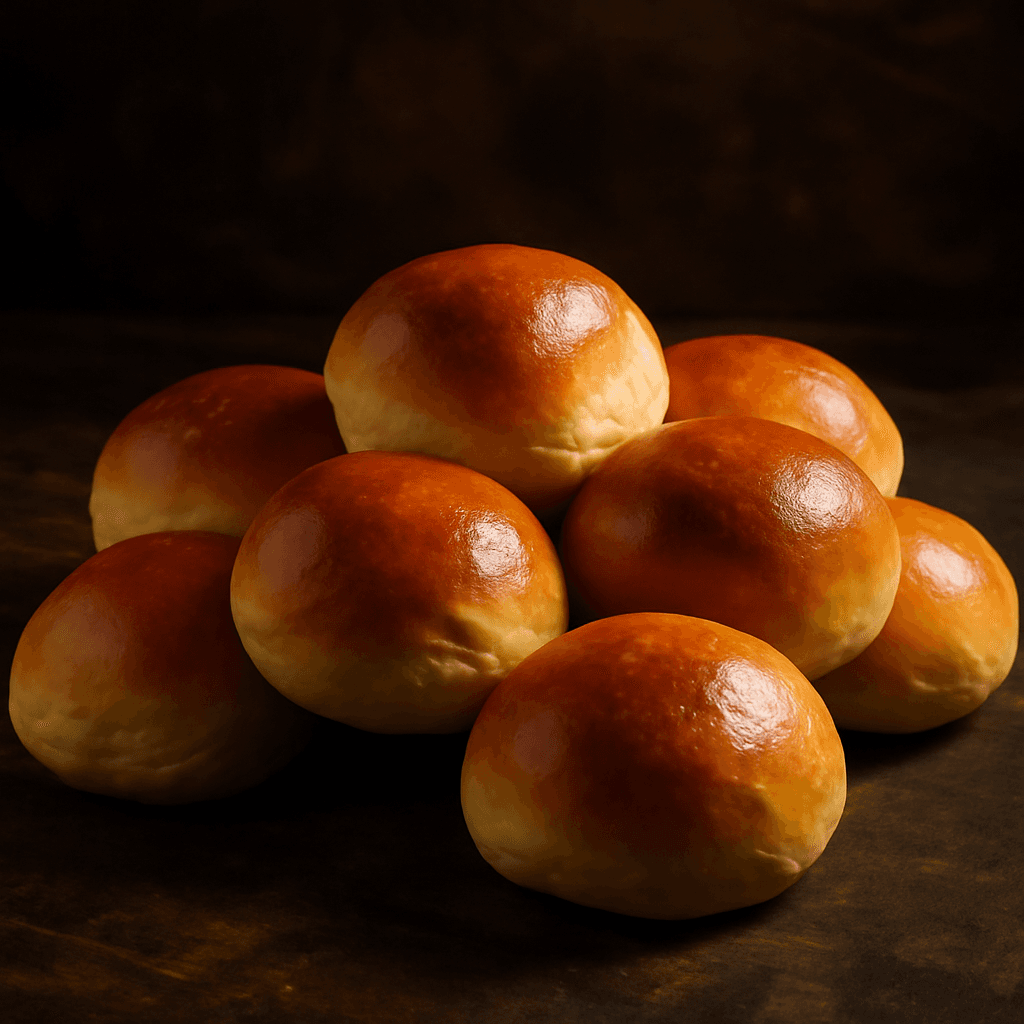
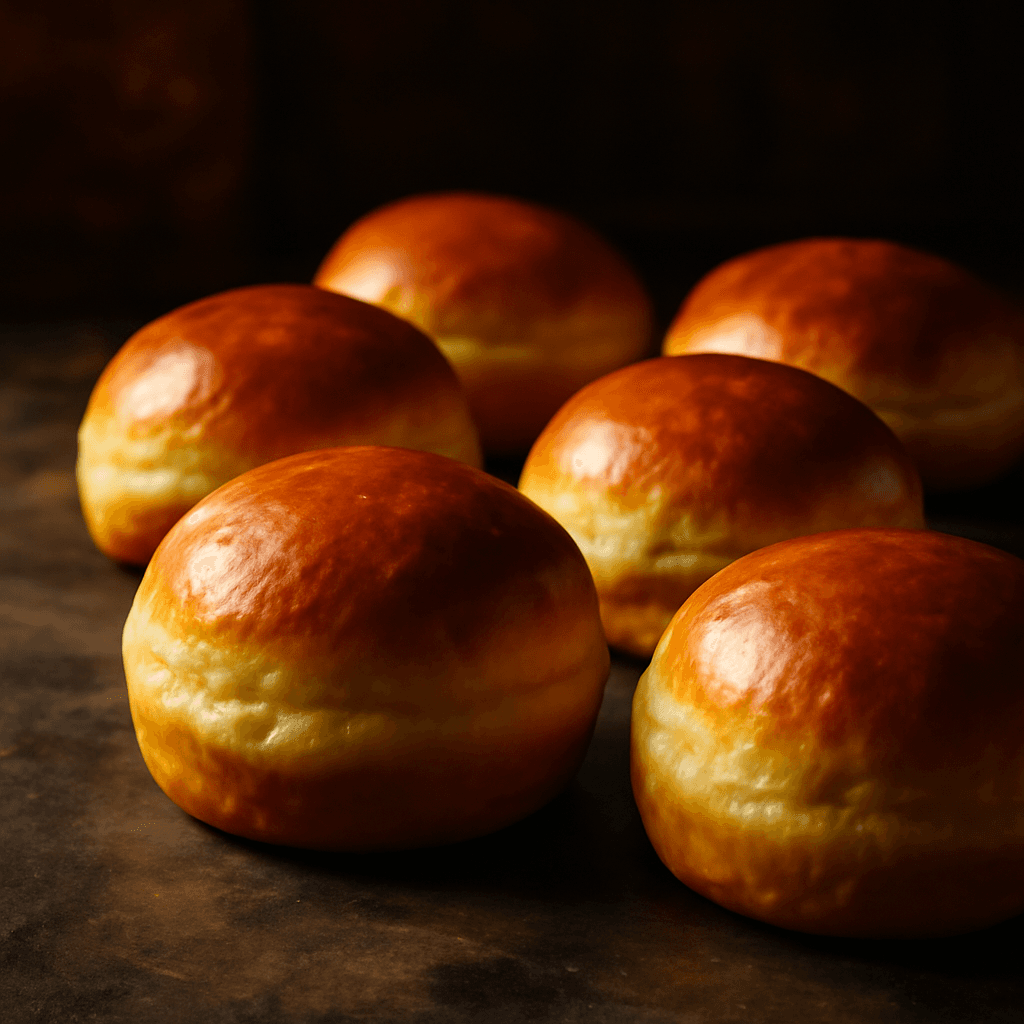
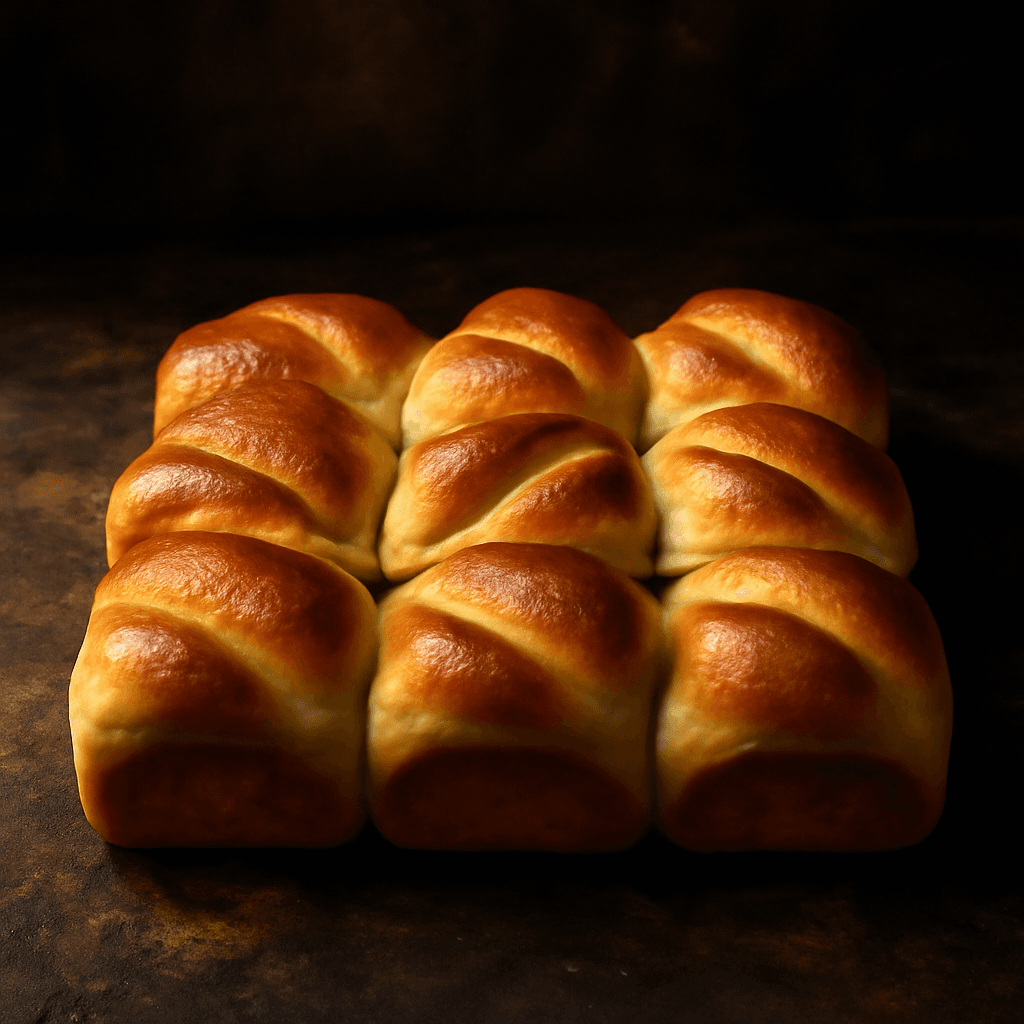
There's something almost theatrical about a Parker House roll — that signature crease along one side, holding a generous pool of melted butter that seeps into the crumb as you pull it apart. Born in the 1870s at Boston's Parker House Hotel, this fold-and-tuck technique is what separates them from ordinary dinner rolls. The result is a tender, pillowy bun with a rich, buttery depth that feels luxurious without being heavy.
Canadian home cooks have embraced these rolls because they deliver restaurant-quality results without fuss. The dough comes together quickly, the fold looks impressive, and they're endlessly versatile — equally at home beside a Sunday roast, a winter chicken pot pie, or a simple bowl of soup on a cold night.
Tips for the Best Parker House Rolls
Keep your milk warm but not hot — around 110°F (43°C) — so you don't kill the yeast. When shaping, press the dough flat, brush generously with melted butter, then fold it in half before placing seam-side down. That butter pocket is the whole point. And don't skip the second rise; these rolls need that extra puff to get their signature softness.
What to Serve With It
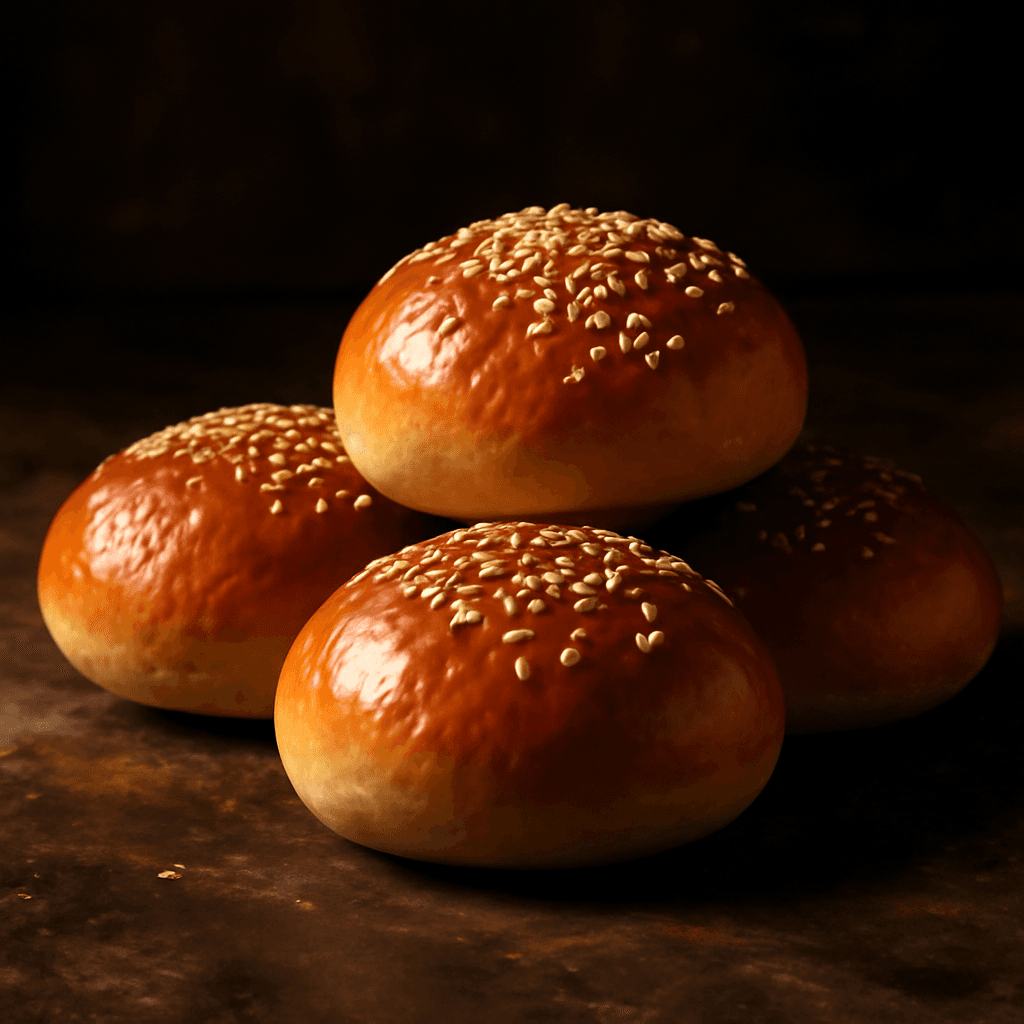
Serve these warm straight from the oven alongside roast beef, butter chicken, or a hearty beef stew — they soak up gravy beautifully. For a simpler spread, pair them with a creamy tomato soup or a bowl of chowder. They also shine as slider buns for pulled pork or mini burgers at summer barbecues.
Storage & Reheating
Store leftovers in an airtight container at room temperature for up to two days, or wrap tightly in foil and freeze for up to three months. To reheat, pop them in a 300°F (150°C) oven for five minutes, still wrapped in foil, and brush with a little melted butter right out of the oven.