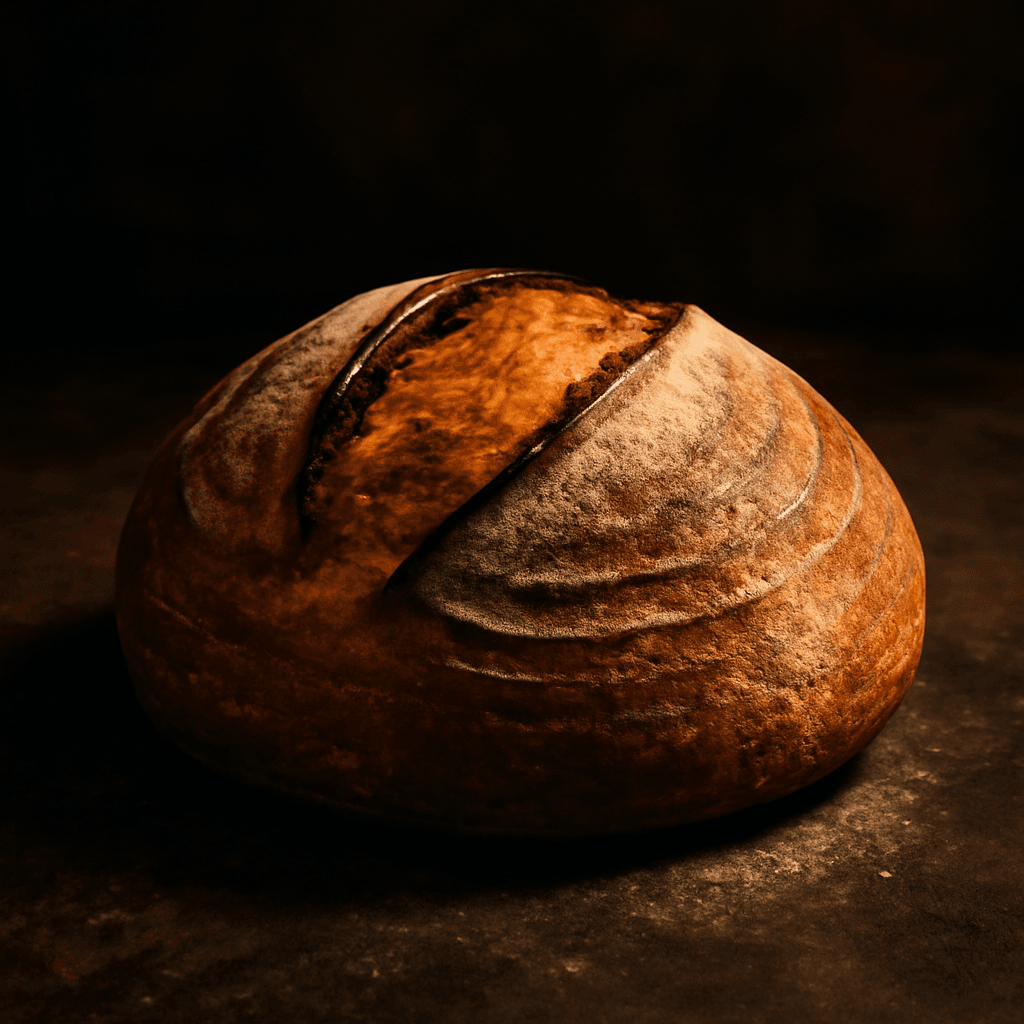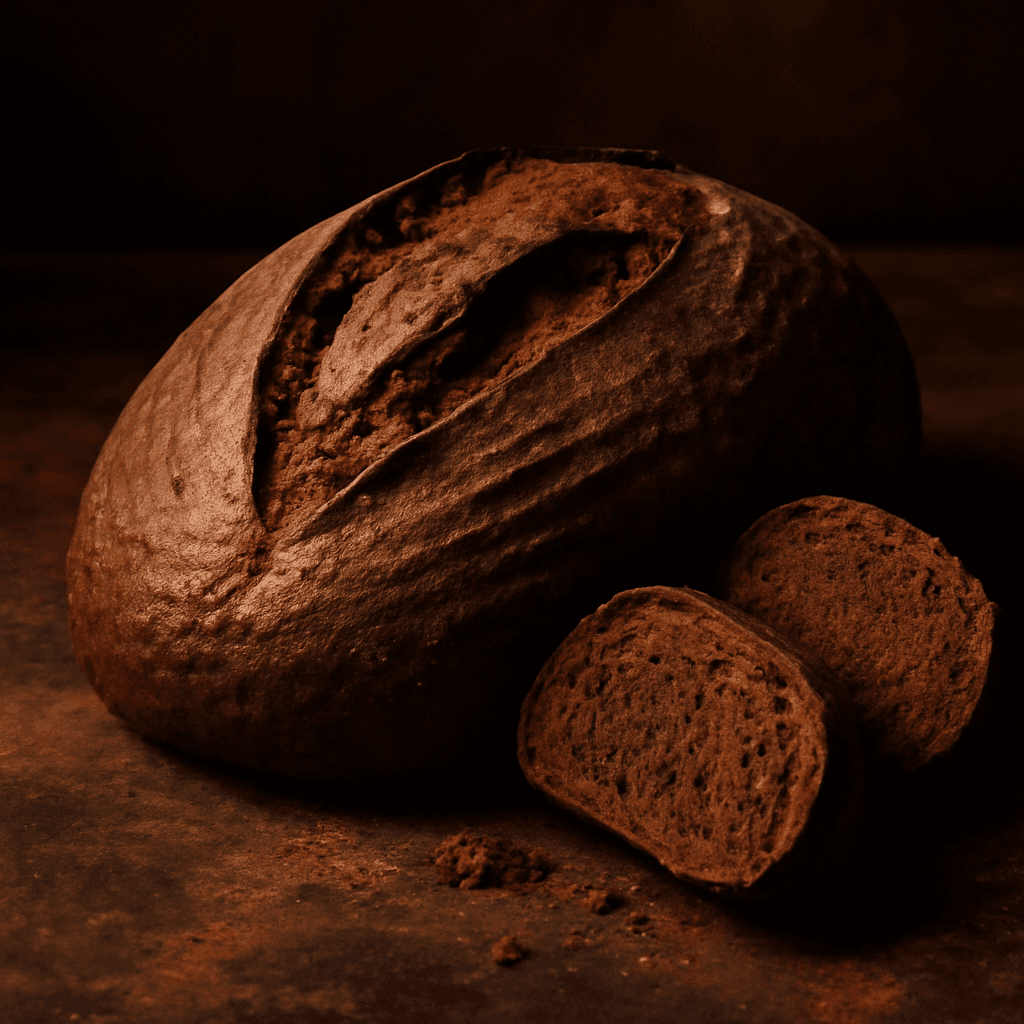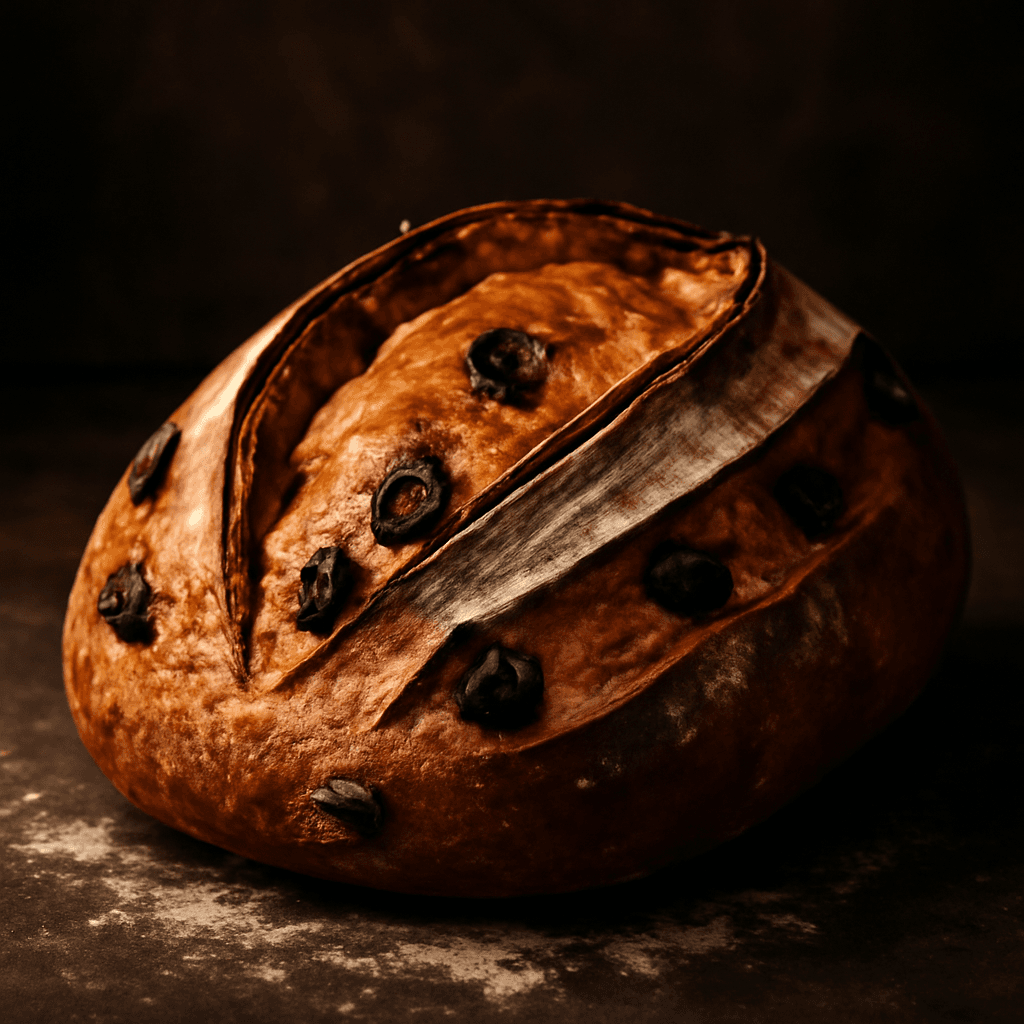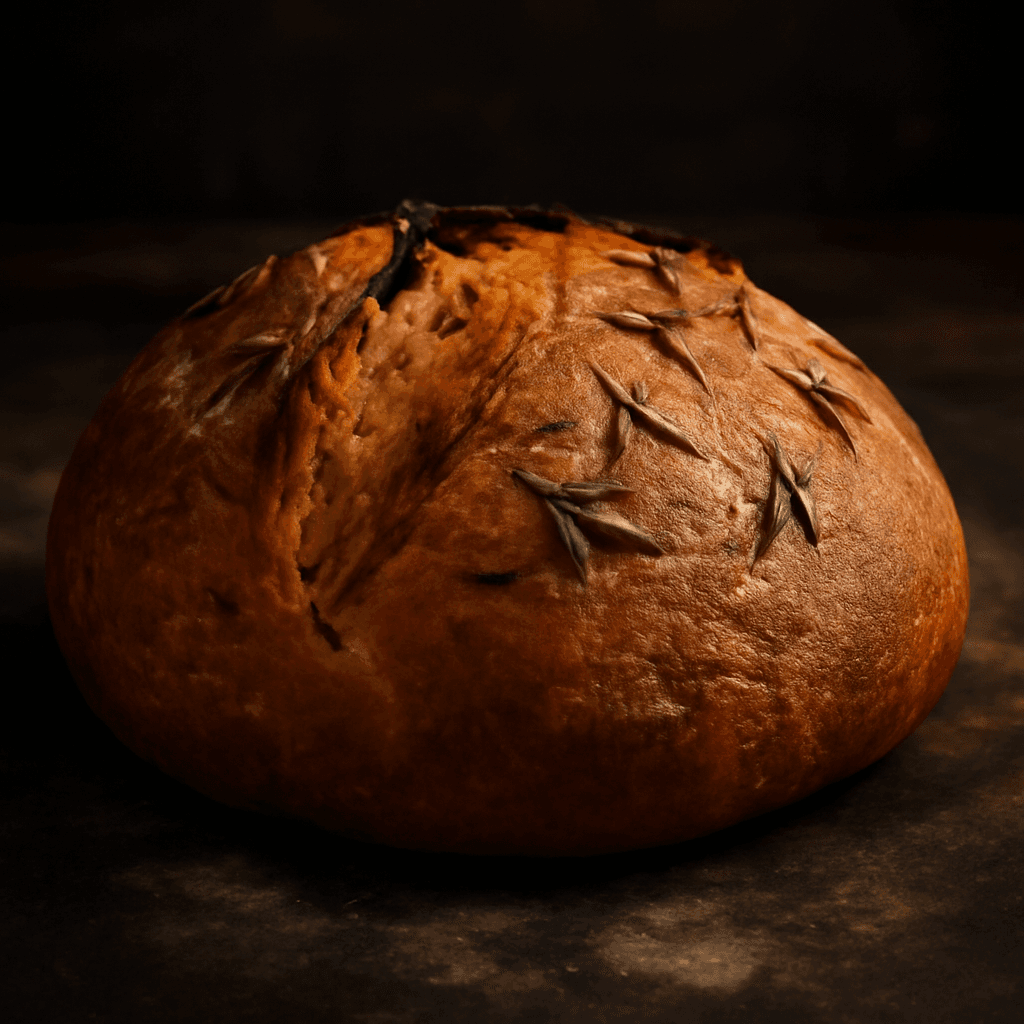
About This Recipe
There's something quietly rebellious about folding rosemary and olive oil into sourdough — purists might raise an eyebrow, but the result is a boule that's at once tangy and herbaceous, with a tender crumb that belies its rustic appearance. This Mediterranean-inspired loaf marries the bright, piney notes of fresh rosemary with the gentle sweetness of good olive oil, creating a bread that's deeply satisfying alongside a bowl of soup or a charcuterie board.
What I love most about this recipe is how the cold proof transforms the dough overnight, building layers of complex sourness that pair beautifully with the herbal brightness. Canadian home bakers gravitate toward it because it rewards patience — the longer you let it rest, the more flavour develops — yet the technique itself is straightforward enough for weekend bakers who want bakery-quality results.
Tips for the Best Rosemary Sourdough
Your starter absolutely must pass the float test before you begin — a sluggish starter means sluggish dough. Keep your autolyse between 30 and 60 minutes; going longer won't hurt but won't help either. During bulk ferment, resist the urge to overwork the dough with your stretch-and-folds, and never skip the cold proof — that's where the signature tangy flavour truly develops.
What to Serve With It
Serve this bread warm, torn by hand and accompanied by good butter or whipped honey butter — a Canadian favourite. It pairs beautifully with hearty soups like split pea or onion, rich stews, or a simple plate of smoked salmon and cream cheese. For entertaining, arrange thick slices on a wooden board with local cheeses, cured meats, and a small bowl of olive oil for dipping.
Storage & Reheating
Keep the loaf in a paper bag at room temperature for two to three days, or wrap it tightly in plastic and freeze for up to three months. Reheat slices in a 450 degree F oven for five to seven minutes to restore the crust's crackle. Avoid the microwave unless you're in a hurry — it'll soften the crust beyond repair.