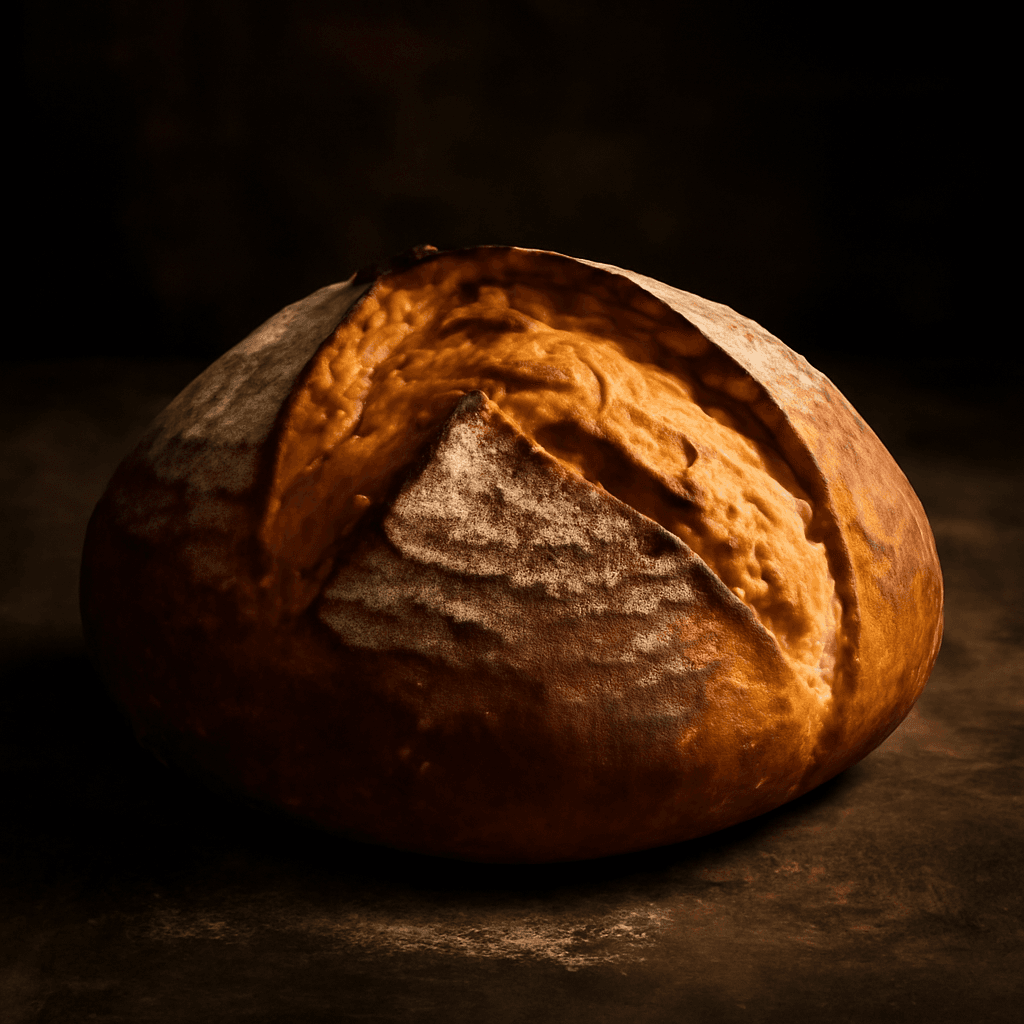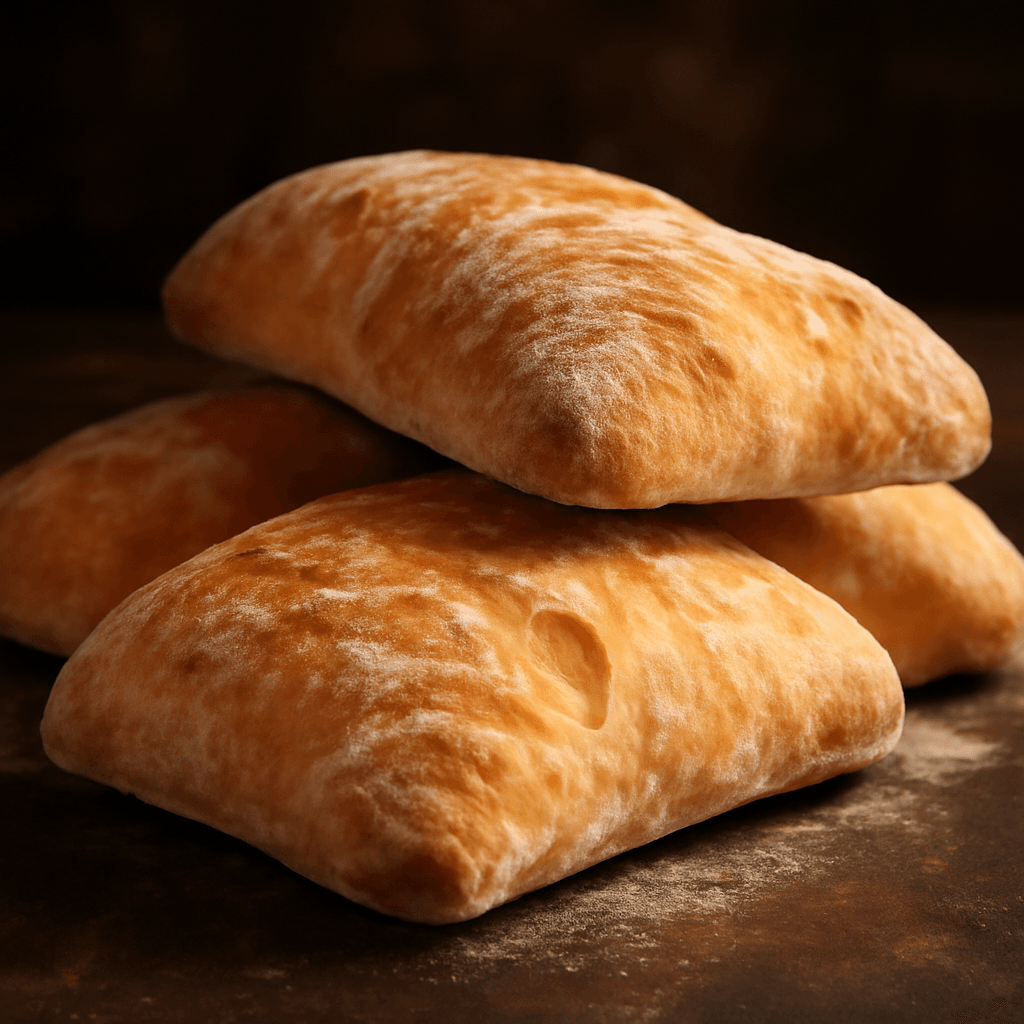
Artisan Ciabatta - freshly baked bread

Artisan Ciabatta

Artisan & Crusty Bread

Rustic Italian ciabatta with a crispy crust and an incredibly open, hole-filled crumb.

Prep Time

20 min

Proof Time

3h

Bake Time

25 min

Servings

10

Calories

170

Ingredients

  • 500 g bread flour
  • 350 g water
  • 1½ tsp instant yeast
  • 10 g salt

Instructions

  1. 1

    Mix

    Combine flour, yeast, and water. Rest 20 minutes (autolyse).

  2. 2

    Add Salt & Develop

    Sprinkle salt over dough and incorporate. Stretch-and-fold every 30 min for 2 hours.

  3. 3

    Bulk Ferment

    Let dough rest, covered, until doubled and bubbly.

  4. 4

    Shape

    Pre-shape, rest 15 minutes, then final shape.

  5. 5

    Proof

    Place in a floured banneton or on parchment. Proof 45–60 minutes.

  6. 6

    Score & Bake

    Score the top. Bake at 475°F (245°C) with steam until deeply golden.

Baker's Notes

Steam in the first 10 minutes of baking is the secret to a crackling, blistered artisan crust. A Dutch oven is the easiest way to trap steam at home.

Baker Thomas Moreau

About This Recipe

Ciabatta is one of those loaves that looks intimidating until you take your first bite — then it's over. The name means 'slipper' in Italian, and the shape tells the story: wide, flat, and beautifully rustic. What makes this version worth the effort is the contrast between the crackling crust and the pillowy, hole-studded interior. Canadian home cooks love it because it rewards patience with something genuinely special, even though that 80% hydration dough feels like a sticky mess at first.

Tips for the Best Artisan Ciabatta

Let the bulk ferment run its full course — rushing it sacrifices flavour and structure. Steam is essential in the first ten minutes of baking; it gives ciabatta that signature crackling crust. Handle the dough gently when shaping to preserve the air pockets that create that open, hole-filled crumb.

What to Serve With It

Serve warm, torn into pieces and drizzled with good olive oil and a splash of aged balsamic vinegar. It's perfect alongside a bowl of minestrone or ribollita, and it makes a fantastic sandwich bread — try it with roasted peppers, mozzarella, and basil for a caprese-style ciabatta panino.

Storage & Reheating

Store cooled ciabatta in a paper bag at room temperature for up to two days. If it goes stale, reheat it in a 400°F / 200°C oven for five minutes to restore the crust. You can also freeze whole loaves for up to three months — thaw and refresh before slicing.
Nutrition Facts

170

cal

5g

Protein

5g

Fat

43g

Carbs

4g

Fiber

233mg

Sodium

Frequently Asked Questions

Can I use active dry yeast instead of instant yeast?+

Yes — dissolve the active dry yeast in the warm water from the recipe first, then proceed as directed. The total amount stays the same, but you'll skip the autolyse step and mix everything together from the start.

How do I know when the dough has proofed enough?+

The dough should have roughly doubled in size and look bubbly on the surface. Give it a gentle shake — it should jiggle like jelly, not feel dense or slack. This usually takes 1 to 2 hours depending on your kitchen temperature.

I don't have a Dutch oven. How do I create steam?+

Place an empty metal baking tray on the bottom rack while your oven preheats. Toss a handful of ice cubes onto the hot tray just before sliding in your loaf, then close the door quickly. This mimics professional steam injection.

Why does my ciabatta come out dense instead of airy?+

Dense ciabatta usually means the dough was overworked during shaping or the bulk ferment didn't finish. Resist the urge to punch down or knead aggressively — gentle folds and patience are what create those signature holes.

Can I freeze unbaked shaped loaves?+

Yes — after shaping, place them on parchment, cover tightly, and freeze solid. When ready to bake, thaw overnight in the fridge, let them proof until doubled, then score and bake as usual. The results are nearly identical to fresh.

Tips & Tricks

  • Steam in the first 10 minutes of baking creates a signature crackling crust.
  • Use a lamé (razor blade) for sharp, clean scores on the dough.
  • Don't rush fermentation — time develops flavour and structure.

Reviews (4)

Sarah M.★★★★★

So glad I found this recipe. The instructions are clear and the result is consistently great. I've made it four times already and it's perfect every time.

David C.★★★★★

Bakery-quality bread at home. I followed the recipe exactly and it turned out amazing. The proofing tips really helped.

Lisa P.★★★★★

Made this for a dinner party and everyone wanted the recipe. The bread was the star of the table — warm, crusty, and absolutely delicious.

Robert B.★★★★★

Five stars! The crust was perfectly crispy and the crumb was soft and airy. I'll never buy store-bought bread again.