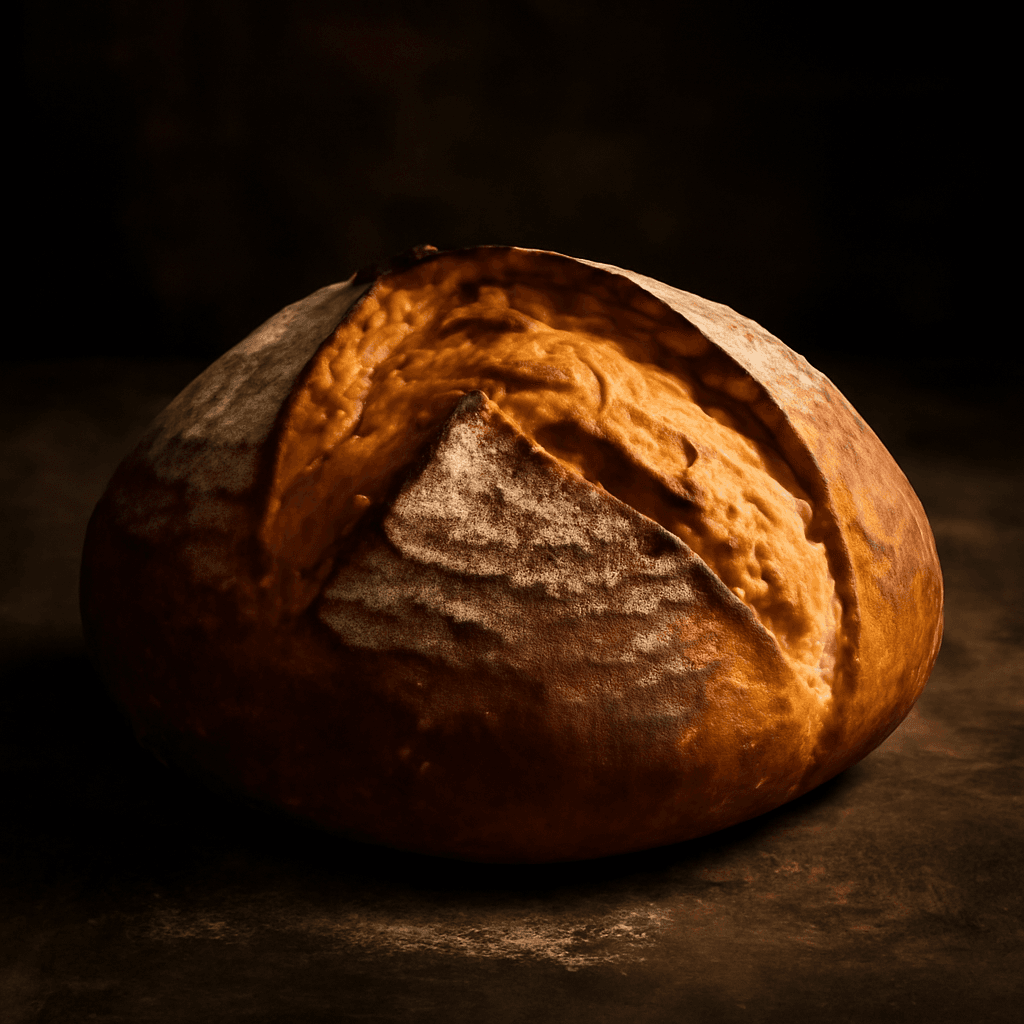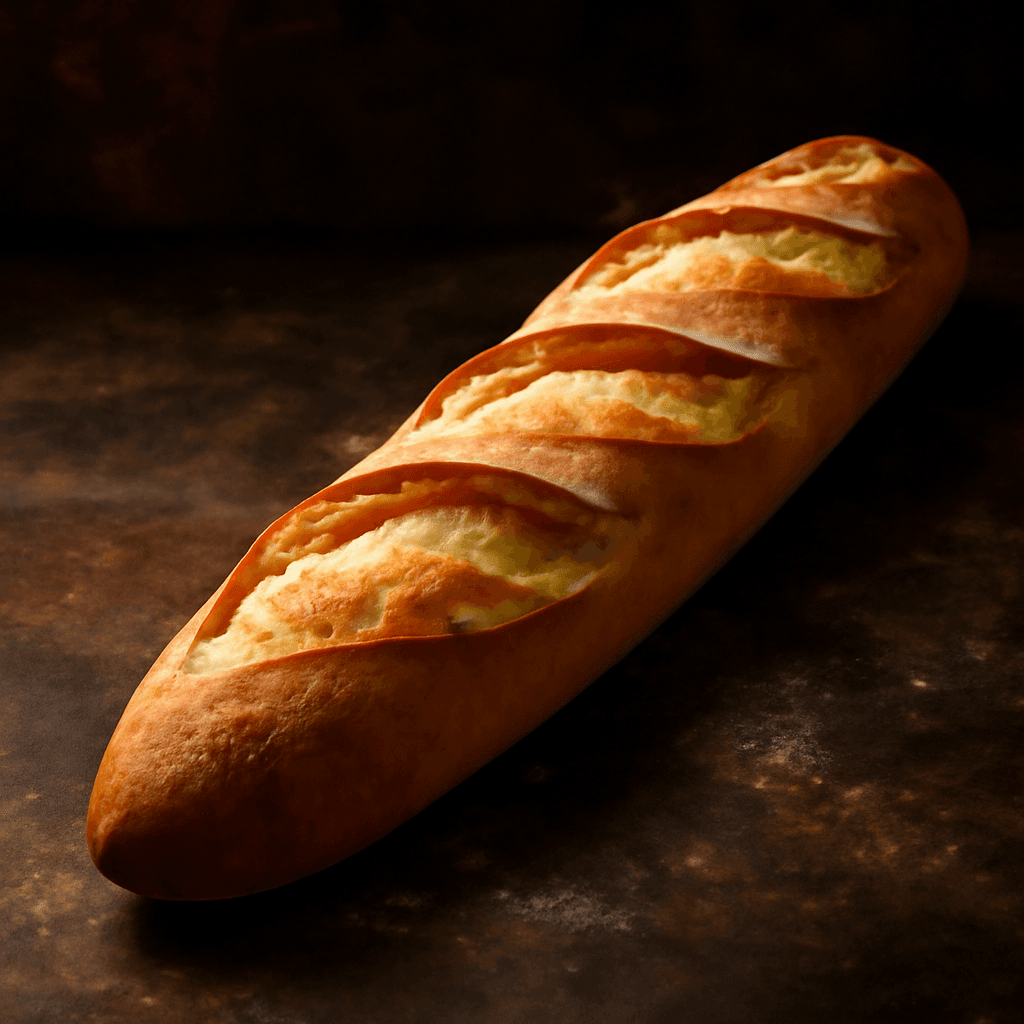
Classic French Baguette - freshly baked bread

Classic French Baguette

Artisan & Crusty Bread

Crusty, golden French baguettes with a crackling crust and open, airy crumb. A weekend baking project worth every minute.

Prep Time

30 min

Proof Time

4h

Bake Time

25 min

Servings

10

Calories

175

Ingredients

  • 500 g bread flour
  • 350 g water
  • 1½ tsp instant yeast
  • 10 g salt

Instructions

  1. 1

    Mix

    Combine flour, yeast, and water. Rest 20 minutes (autolyse).

  2. 2

    Add Salt & Develop

    Sprinkle salt over dough and incorporate. Stretch-and-fold every 30 min for 2 hours.

  3. 3

    Bulk Ferment

    Let dough rest, covered, until doubled and bubbly.

  4. 4

    Shape

    Pre-shape, rest 15 minutes, then final shape.

  5. 5

    Proof

    Place in a floured banneton or on parchment. Proof 45–60 minutes.

  6. 6

    Score & Bake

    Score the top. Bake at 475°F (245°C) with steam until deeply golden.

Baker's Notes

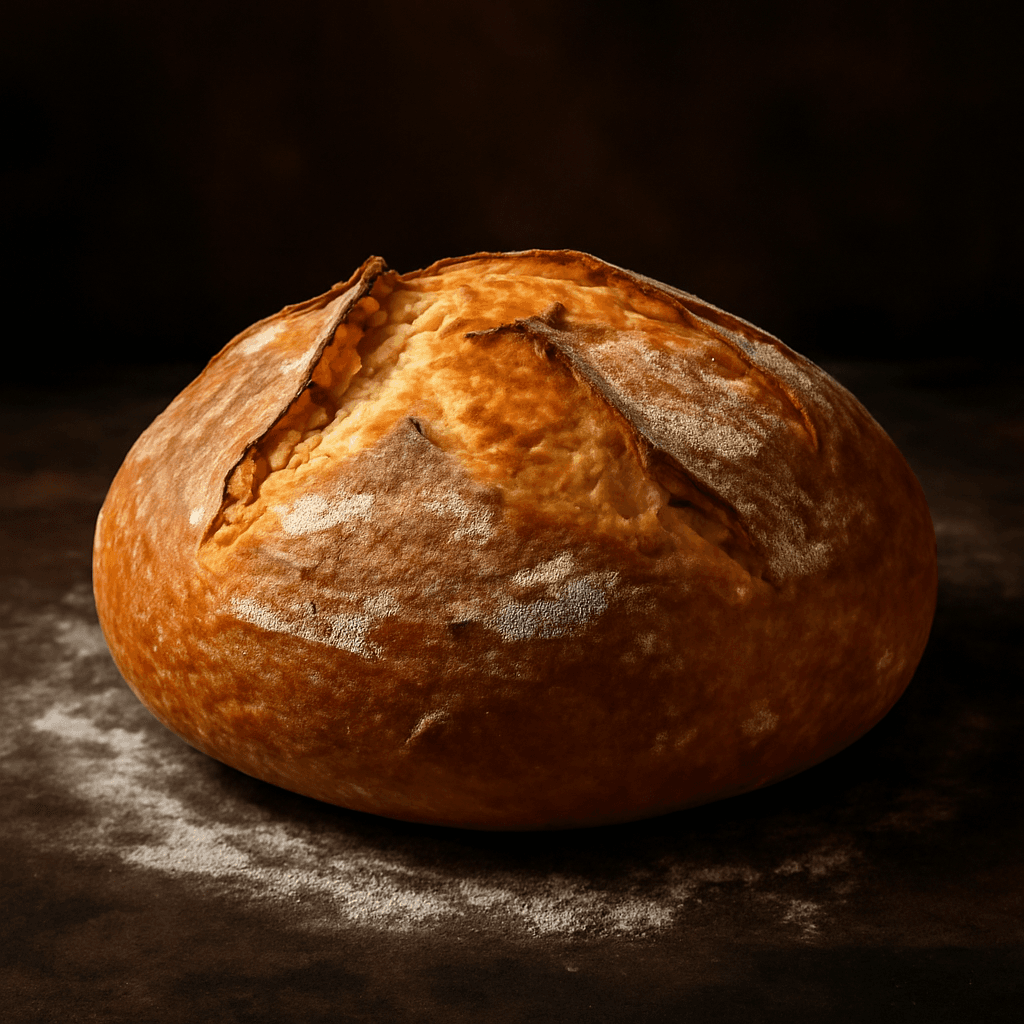
Steam in the first 10 minutes of baking is the secret to a crackling, blistered artisan crust. A Dutch oven is the easiest way to trap steam at home.

Baker Thomas Moreau

About This Recipe

There's something quietly magical about pulling a freshly baked baguette from the oven — that deep golden crust crackles as it cools, and the moment you tear into it, the interior reveals itself as open, airy, and impossibly light. A true baguette is the kind of bread that demands patience but rewards you with something extraordinary.

Canadian home bakers have fallen hard for these crusty loaves, and for good reason. Once you've mastered the stretch-and-fold technique and learned to read your dough's fermentation, you'll find yourself reaching for a baguette at every meal — sliced alongside a simple cheese board, torn into dinner rolls for Sunday roast, or served warm with good butter and olive oil.

Tips for the Best Classic French Baguette

Steam is non-negotiable for that signature crackling crust — a roasting pan filled with boiling water on the bottom rack works beautifully. Use a sharp lame for clean scores, and trust the fermentation clock over the timer; when your dough has doubled and bubbles up through the surface, it's ready.

What to Serve With It

Serve baguettes warm, ideally within an hour of baking, sliced and dressed with good olive oil, flaky sea salt, and aged Gruyère for a simple tartine. They're equally at home alongside a bowl of onion soup, with charcuterie and cornichons, or cut into croutons for a creamy leek and potato soup.

Storage & Reheating

Baguettes are best enjoyed the day they're baked — their crust softens quickly once cooled. Store them wrapped in a linen cloth at room temperature for up to a day, or freeze them whole (unwrapped, then re-wrap tightly) for up to three months. Reheat frozen loaves at 475°F (245°C) for 8 minutes to revive the crust.
Nutrition Facts

175

cal

4g

Protein

7g

Fat

34g

Carbs

2g

Fiber

384mg

Sodium

Frequently Asked Questions

Can I use all-purpose flour instead of bread flour?+

It's not recommended. Bread flour's higher protein content (around 12 to 13 per cent) is what gives a baguette its strong gluten network and open crumb structure. All-purpose flour will produce a denser loaf.

Do I really need a Dutch oven for steam?+

Nope. A Dutch oven is convenient, but a rimmed baking sheet on the oven floor with a cup of boiling water poured in during preheating works just as well. You can also spray the oven walls with water during the first five minutes of baking.

Why does my baguette come out flat?+

This usually means under-proofing or a weak gluten structure. Check that your bulk fermentation has truly doubled the dough, and that your stretch-and-folds have developed sufficient strength. Over-handling during shaping can also deflate the loaf.

What's the purpose of the autolyse step?+

Resting the flour and water for 20 minutes before adding salt allows the gluten to begin forming naturally and the flour to fully hydrate. This results in a smoother, more extensible dough that's easier to shape and produces a better crumb.

Can I freeze baguettes after baking?+

Absolutely. Cool them completely, wrap tightly in plastic, then place in a freezer bag for up to three months. Thaw at room temperature, then reheat at 475°F (245°C) for 8 minutes to restore the crust.

Tips & Tricks

  • Steam in the first 10 minutes of baking creates a signature crackling crust.
  • Use a lamé (razor blade) for sharp, clean scores on the dough.
  • Don't rush fermentation — time develops flavour and structure.

Reviews (3)

Michael W.★★★★★

This recipe is a keeper. The Baker's Notes really helped me understand the technique. My new favourite bread to bake on weekends.

Sarah M.★★★★★

So glad I found this recipe. The instructions are clear and the result is consistently great. I've made it four times already and it's perfect every time.

David C.★★★★★

Bakery-quality bread at home. I followed the recipe exactly and it turned out amazing. The proofing tips really helped.