About This Recipe
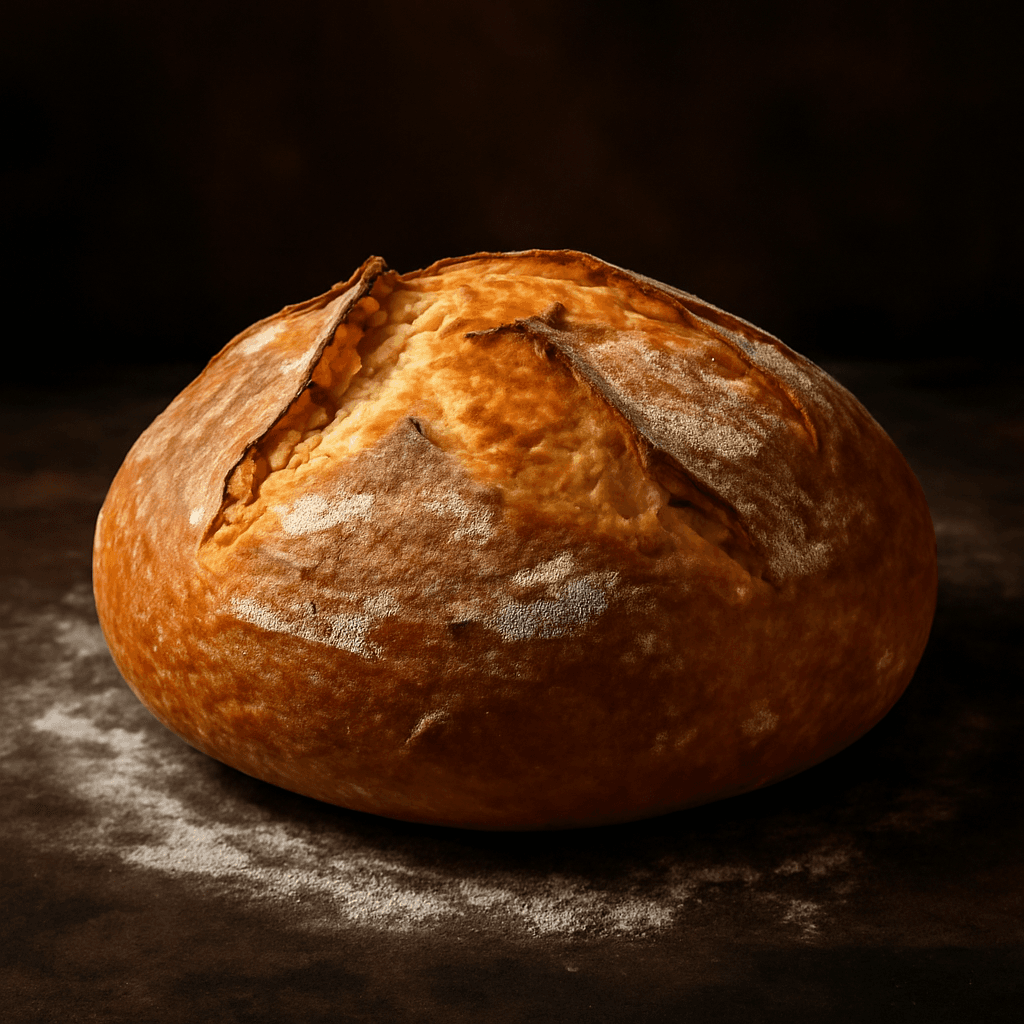
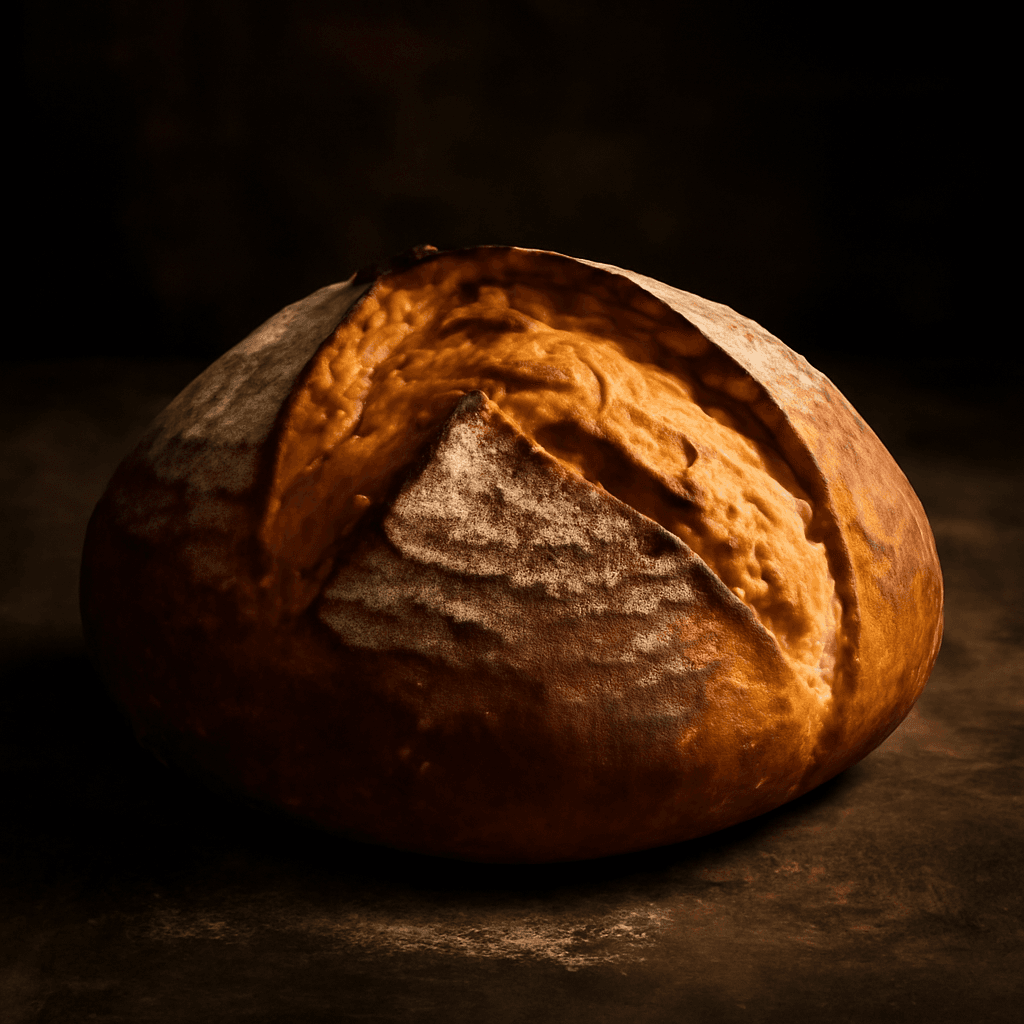
There is something almost magical about a properly baked boule. That deep golden crust that cracks audibly when you press your thumb against it, giving way to a crumb full of irregular holes and a faint tang from a long fermentation. This rustic loaf is the kind of bread that makes you feel like you've earned your place in a Parisian bakery.
Canadian home bakers have embraced this recipe because it rewards patience without demanding fancy equipment. You only need flour, water, salt, and yeast — nothing more — yet the result is bread that rivals what you'd find in Montreal's best boulangeries. The autolyse step does most of the heavy lifting, so even beginners get a beautiful loaf.
Tips for the Best Crusty Rustic Boule
The key to this boule is the steam during the first ten minutes of baking — it keeps the crust supple long enough for maximum oven spring, then sets into that signature crackle. A hot Dutch oven or baking stone works beautifully, and don't skip the stretch-and-folds; they build the gluten network that gives this bread its open, airy crumb.
What to Serve With It
Slice this boule thick and serve it alongside a bowl of creamy onion soup or a simple salad dressed with good olive oil and fresh herbs. It pairs wonderfully with a glass of Pinot Noir, and there is nothing quite like tearing off a piece while it is still warm from the oven, slathered with cultured butter from a local dairy. Serve it with a charcuterie board for weekend entertaining.
Storage & Reheating
Wrap cooled bread in a linen cloth or paper bag to preserve the crust for up to two days. If you need to keep it longer, slice and freeze — this bread freezes beautifully. To reheat, pop slices directly into a 375°F oven for five minutes, or run the whole loaf under water and bake at 400°F for ten minutes to revive that crackly exterior.