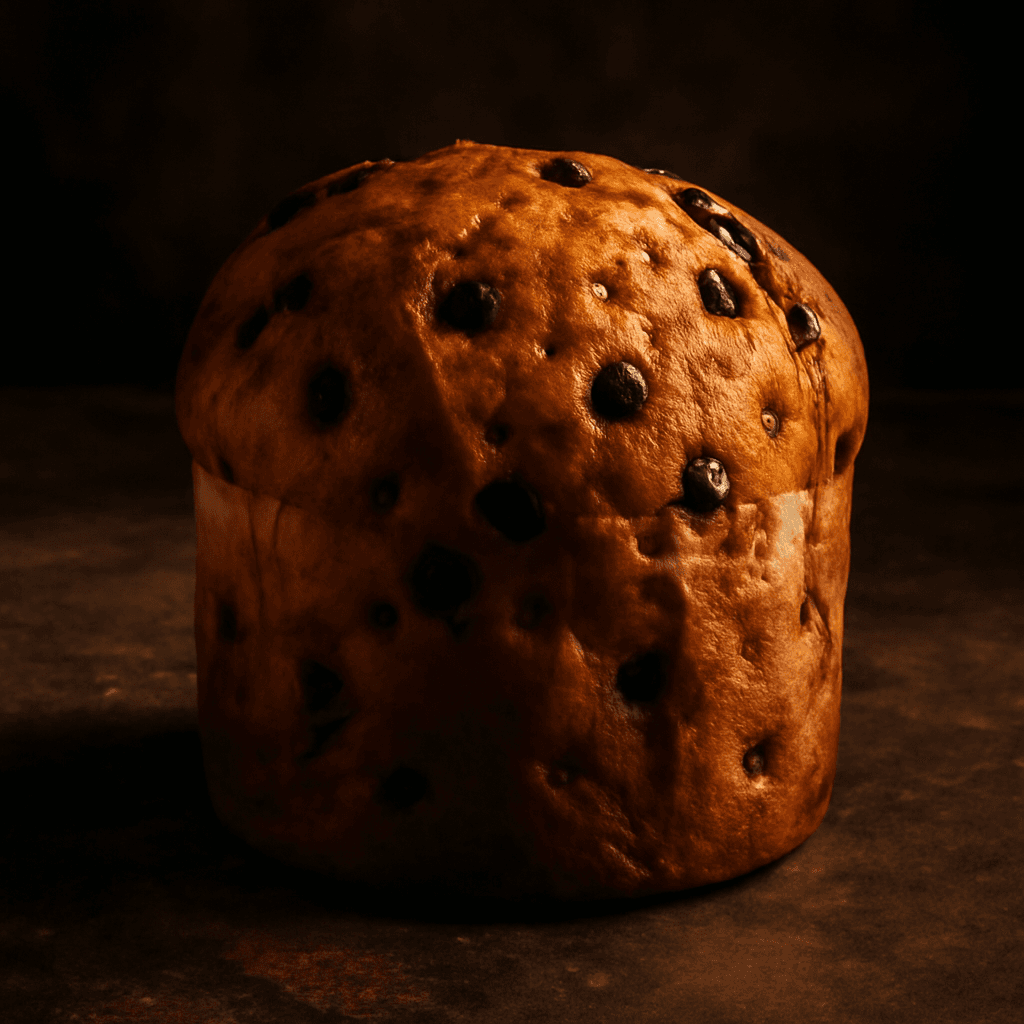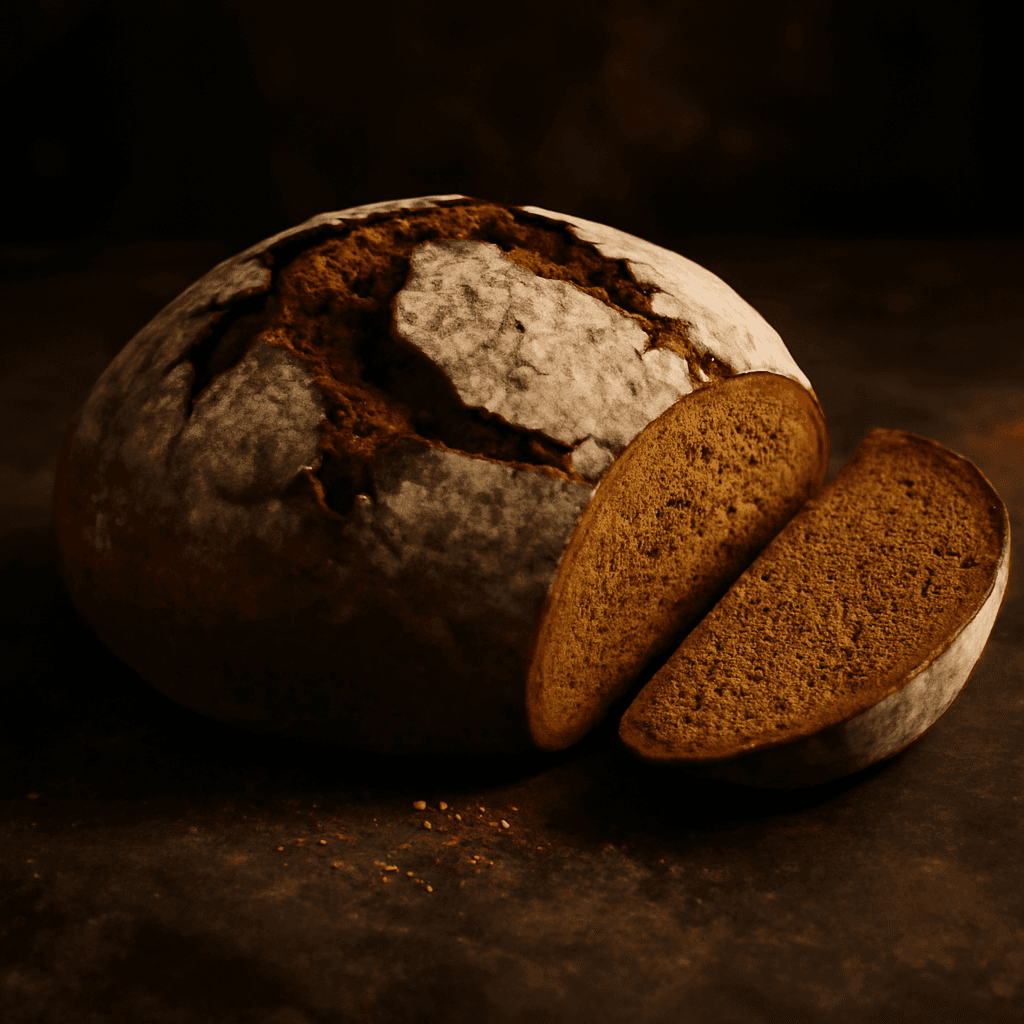
Classic Rye Bread - freshly baked bread

Classic Rye Bread

French & European-Style Bread

Dense, earthy rye bread with caraway seeds and a dark, chewy crumb. A European deli staple.

Prep Time

20 min

Proof Time

2h

Bake Time

40 min

Servings

10

Calories

180

Ingredients

  • 3 cups bread flour
  • 2¼ tsp active dry yeast
  • 1 cup warm water
  • 2 tbsp unsalted butter, softened
  • 2 tbsp sugar
  • 1½ tsp salt
  • 2 large eggs

Instructions

  1. 1

    Activate Yeast

    Dissolve sugar in warm water. Add yeast and wait 5 minutes.

  2. 2

    Mix Dough

    Add butter, eggs, salt, and flour. Knead 10 minutes until smooth.

  3. 3

    Rise

    Cover and rise 60–90 minutes until doubled.

  4. 4

    Shape

    Shape as directed — braid, round, or loaf.

  5. 5

    Second Rise

    Cover and rise 30 minutes.

  6. 6

    Bake

    Brush with egg wash. Bake at 375°F (190°C) for 25–30 minutes until golden.

Baker's Notes

European breads often benefit from a long, slow fermentation. Even an extra hour of rise time develops noticeably more flavour.

Baker Thomas Moreau

About This Recipe

There is something deeply satisfying about slicing into a loaf of classic rye bread — that dense, earthy crumb giving way to a crisp, golden crust. The caraway seeds lend a warm, peppery note that makes every bite feel like a trip through a European deli, and the egg wash brushing creates that beautiful sheen that makes the loaf look as good as it tastes.

Canadian home cooks gravitate toward this bread because it rewards patience. The 10-minute knead develops enough structure to hold everything together, and letting the finished loaf rest overnight before slicing reveals its full flavour — a quiet luxury that makes weekend baking feel worth the wait.

Tips for the Best Classic Rye Bread

Assurez-vous que votre levure est bien vivante avant de mélanger la farine — ces cinq minutes d'attente sont essentielles. Pétrissez dix minutes complètes jusqu'à ce que la pâte soit lisse, car le seigle ne développe pas de gluten seul. Laissez reposer le pain une journée avant de le trancher pour révéler tout son goût.

What to Serve With It

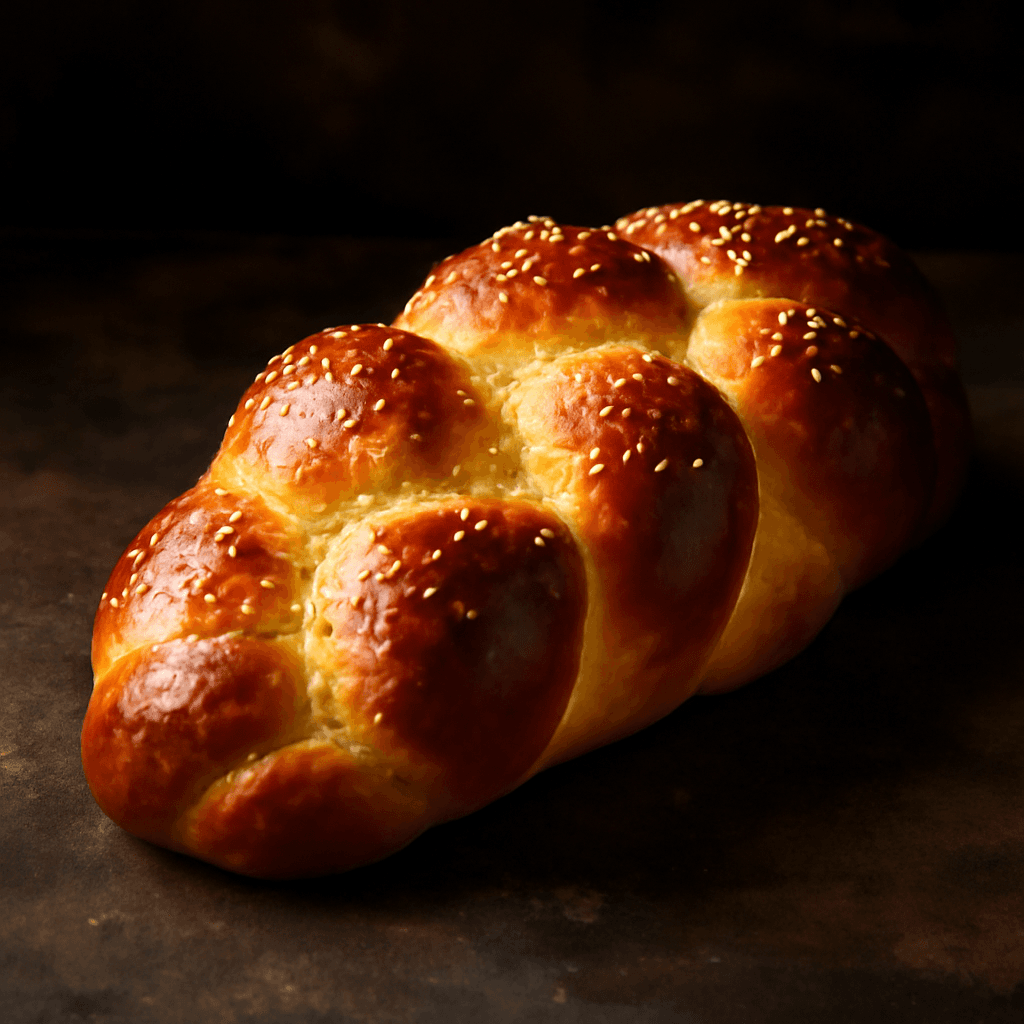
Classic rye bread shines alongside smoked salmon, sharp aged cheddar, or a generous slab of Montreal-style pastrami. It pairs beautifully with a bowl of split pea soup or lentil stew, and those braided loaves make an impressive centrepiece for holiday gatherings. A thin smear of butter and a handful of pickles complete the picture.

Storage & Reheating

Keep the loaf wrapped in parchment paper at room temperature for up to three days, or freeze it whole for longer storage. Reheat slices in a 350°F oven for five minutes to revive the crust, or toast them straight from the freezer for breakfast. Don't refrigerate — it will dry out the crumb faster.
Nutrition Facts

180

cal

4g

Protein

2g

Fat

33g

Carbs

1g

Fiber

334mg

Sodium

Frequently Asked Questions

Can I use active yeast instead of instant yeast?+

Yes, active dry yeast works perfectly fine. Just make sure to dissolve it in warm water with the sugar and wait five minutes for bubbles before mixing it into the dough.

Why does my bread turn out too dense?+

Rye flour has minimal gluten, so under-kneading is the usual culprit. Knead for the full ten minutes until smooth, and don't skip the second rise — that final thirty minutes gives the loaf its lift.

What shapes work best for this dough?+

This dough is forgiving enough for braids, rounds, or a standard loaf pan. Braiding looks elegant for entertaining, while a round boule is simpler and lets the egg wash shine.

How do I know when the bread is done baking?+

The loaf should be deep golden brown and sound hollow when tapped on the bottom. If it's browning too quickly, tent it loosely with foil halfway through the bake.

Can I add more caraway seeds?+

Absolutely — many European bakeries load theirs up. Start with an extra tablespoon and taste the dough before baking. Caraway pairs wonderfully with butter and smoked meats.

Tips & Tricks

  • Egg wash (1 egg + 1 tbsp water) gives European breads their golden sheen.
  • Many European breads improve in flavour after a day of resting.
  • Use bread flour for the best gluten development and structure.

Reviews (3)

Sarah M.★★★★★

So glad I found this recipe. The instructions are clear and the result is consistently great. I've made it four times already and it's perfect every time.

David C.★★★★★

Bakery-quality bread at home. I followed the recipe exactly and it turned out amazing. The proofing tips really helped.

Lisa P.★★★★★

Made this for a dinner party and everyone wanted the recipe. The bread was the star of the table — warm, crusty, and absolutely delicious.