About This Recipe
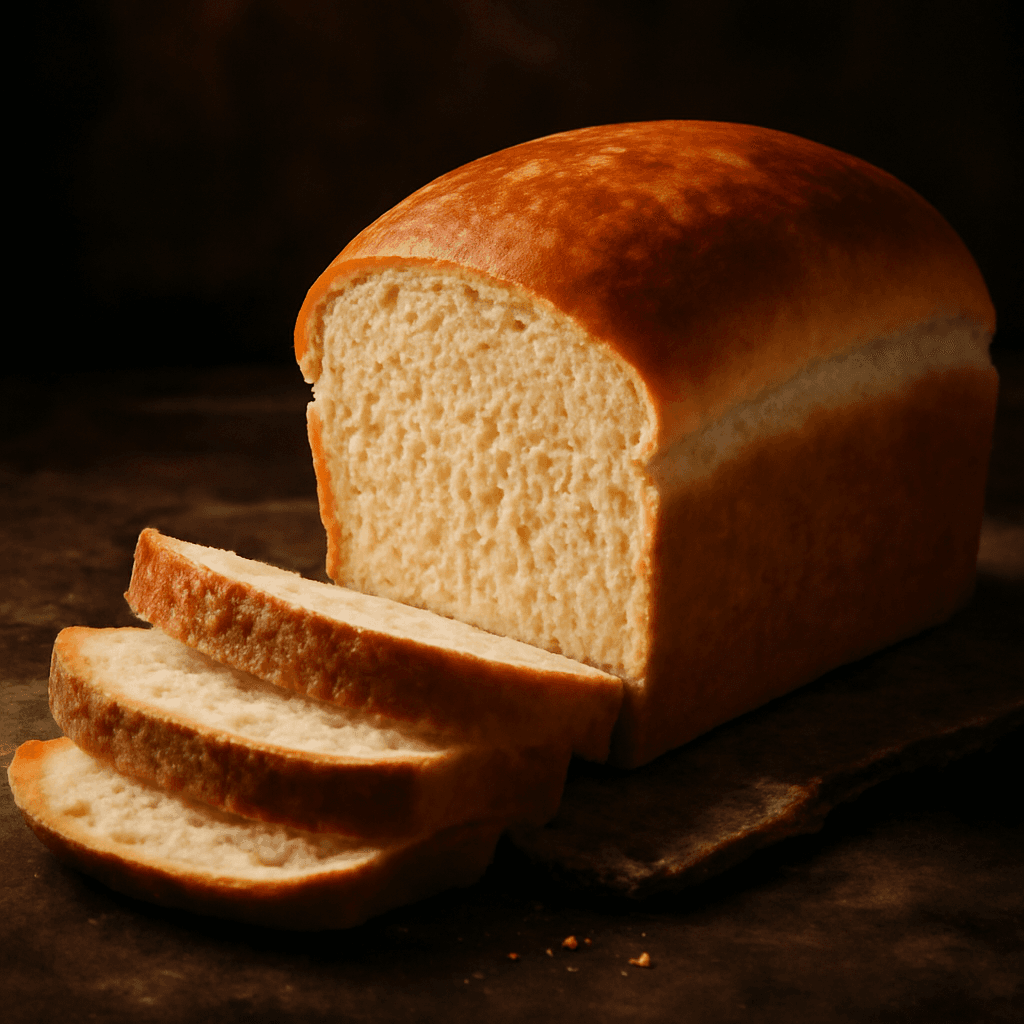
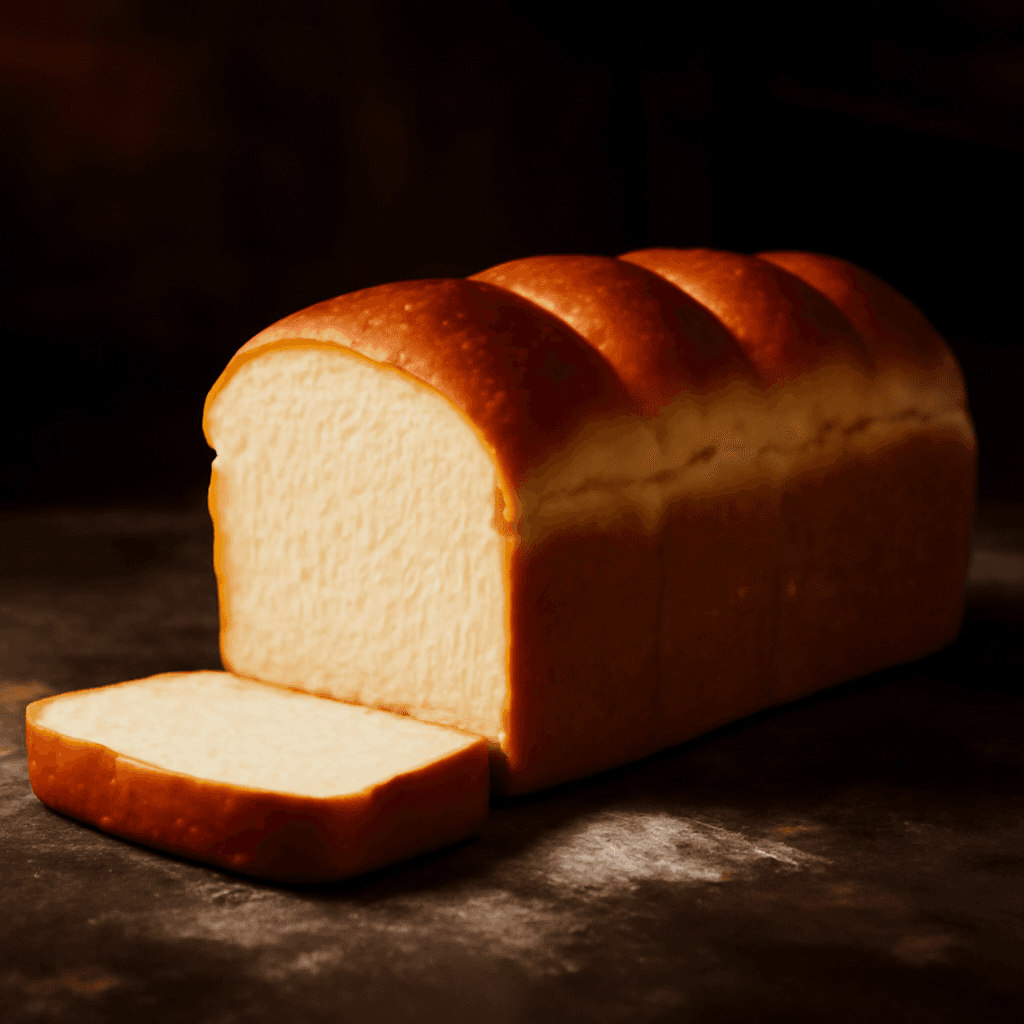
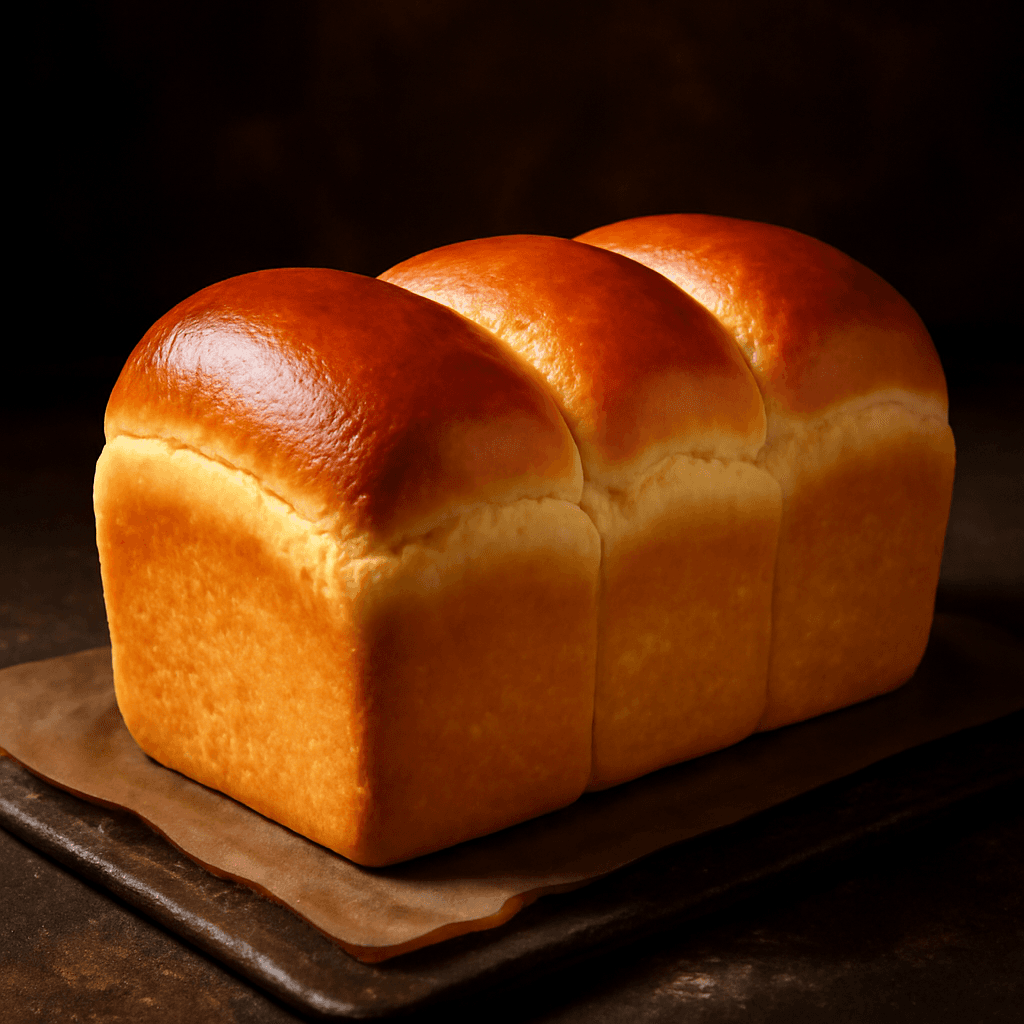
Japanese milk bread, or shokupan, is the kind of loaf that makes you question everything you thought you knew about sandwich bread. That signature cloud-soft crumb comes from the tangzhong method—a small amount of flour cooked with water into a thick paste that gelatinizes starches before they even meet the rest of the dough. The result is a loaf that's impossibly light, slightly sweet, and keeps its softness for days longer than ordinary white bread.
Canadian home bakers have fallen hard for this bread because it delivers bakery-quality results without the intimidation factor. The tangzhong step is simple enough for beginners, yet it transforms a basic white loaf into something genuinely special. It slices cleanly, toasts beautifully, and disappears fast whether slathered with butter or used for sandwiches.
Tips for the Best Japanese Milk Bread (Shokupan)
The tangzhong is the secret weapon here—cook just a small portion of the flour with water until it thickens, then fold it into the dough for extra moisture retention. Watch your water temperature closely; anything above 115 degrees Fahrenheit will kill the yeast, so a thermometer is worth the investment. Brush the baked loaf with melted butter immediately for the softest possible crust, and resist the urge to slice while warm.
What to Serve With It
This bread shines as a breakfast companion with a generous smear of maple butter and a cup of Earl Grey. It also makes excellent toast for weekend brunch, or sliced thin for peanut butter and jelly sandwiches. For something more substantial, layer it with smoked salmon and cream cheese for a quick afternoon snack.
Storage & Reheating
Store the cooled loaf in a plastic bag at room temperature where it'll stay soft for three to four days thanks to the tangzhong. For longer storage, wrap tightly and freeze for up to two months—thaw overnight and refresh in a 350-degree oven for five minutes to restore that fresh-baked texture.