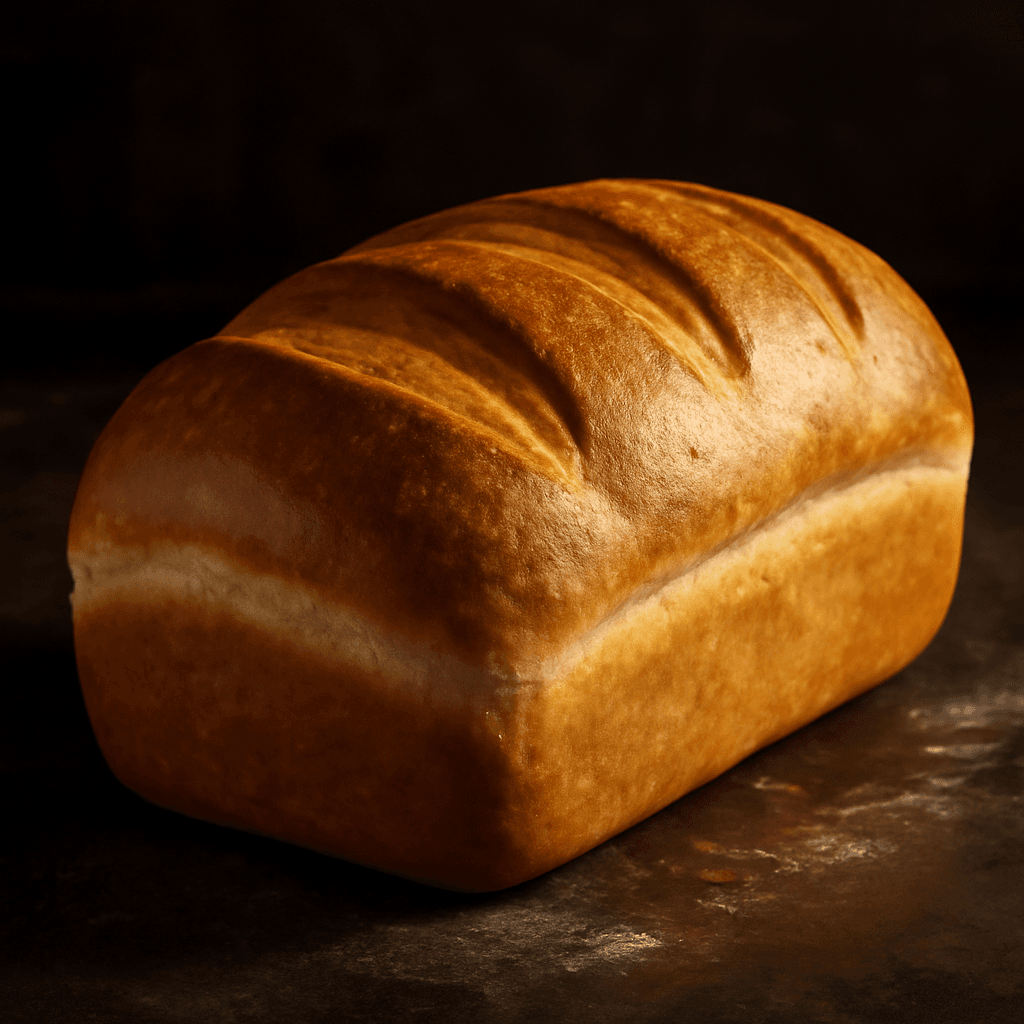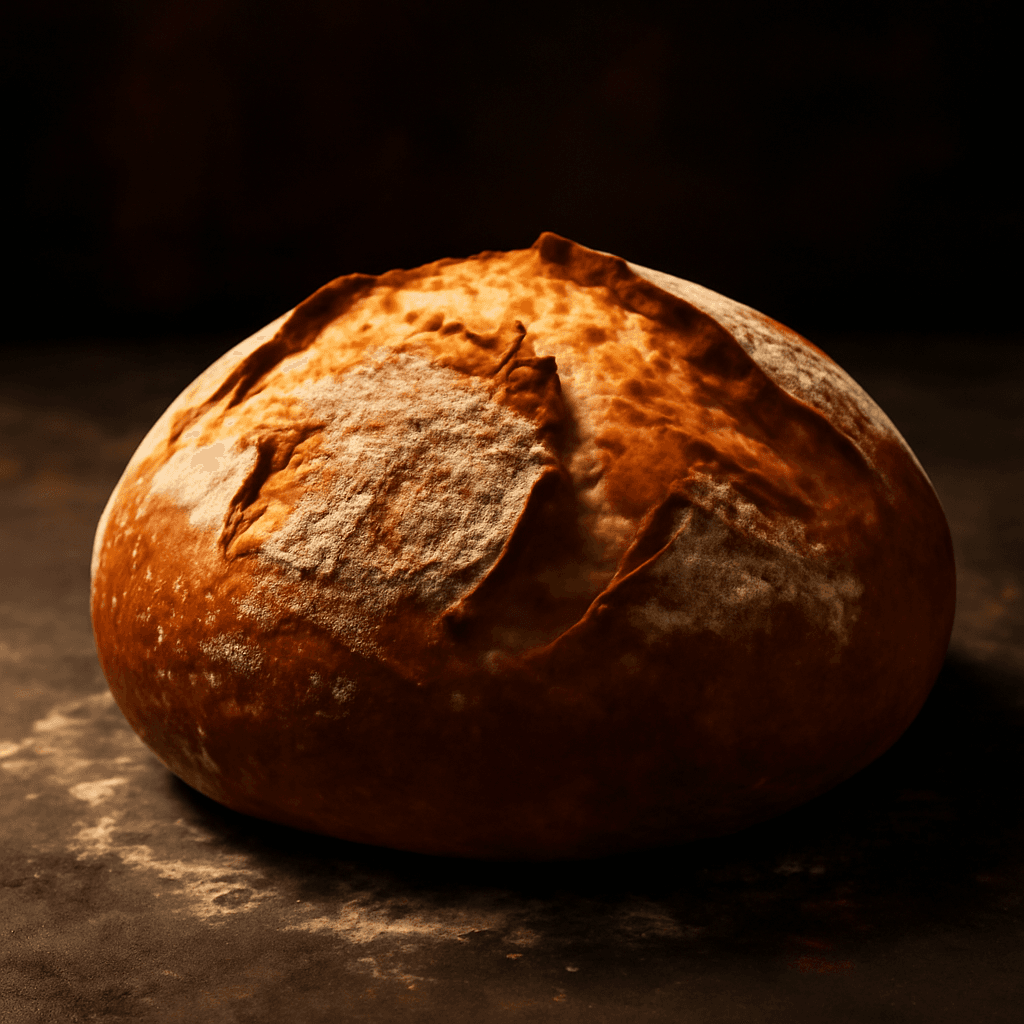
Overnight Refrigerator Bread - freshly baked bread

Overnight Refrigerator Bread

Yeast Bread

Mix the dough tonight, bake it tomorrow morning. Cold fermentation develops incredible flavour with minimal effort.

Prep Time

15 min

Proof Time

12h

Bake Time

35 min

Servings

10

Calories

170

Ingredients

  • 3 cups bread flour
  • 2¼ tsp active dry yeast
  • 1 cup warm water (110°F/43°C)
  • 1 tbsp granulated sugar
  • 1 tbsp vegetable oil
  • 1 tsp salt

Instructions

  1. 1

    Proof the Yeast

    Stir sugar into warm water. Sprinkle yeast and wait 5–10 minutes until bubbly.

  2. 2

    Mix the Dough

    Add oil, salt, and flour. Stir until a shaggy dough forms.

  3. 3

    Knead

    Turn out onto a floured surface and knead 8–10 minutes until smooth and elastic.

  4. 4

    First Rise

    Place in an oiled bowl, cover, and let rise 60 minutes until doubled.

  5. 5

    Shape

    Punch down, shape into a loaf, and place in a greased pan.

  6. 6

    Second Rise

    Cover and rise 30 minutes until cresting above the pan.

  7. 7

    Bake

    Bake at 375°F (190°C) for 28–32 minutes. Cool on a rack.

Baker's Notes

The key to great yeast bread is patience. Don't rush the rise — the longer fermentation develops more complex flavours.

Baker Thomas Moreau

About This Recipe

This overnight refrigerator bread is one of those recipes that feels almost too good to be true. You mix a handful of pantry staples tonight—bread flour, yeast, a touch of sugar, oil, and salt—then pop the dough in the fridge and sleep. Come morning, you've got a loaf with deep, complex flavour that took zero babysitting.

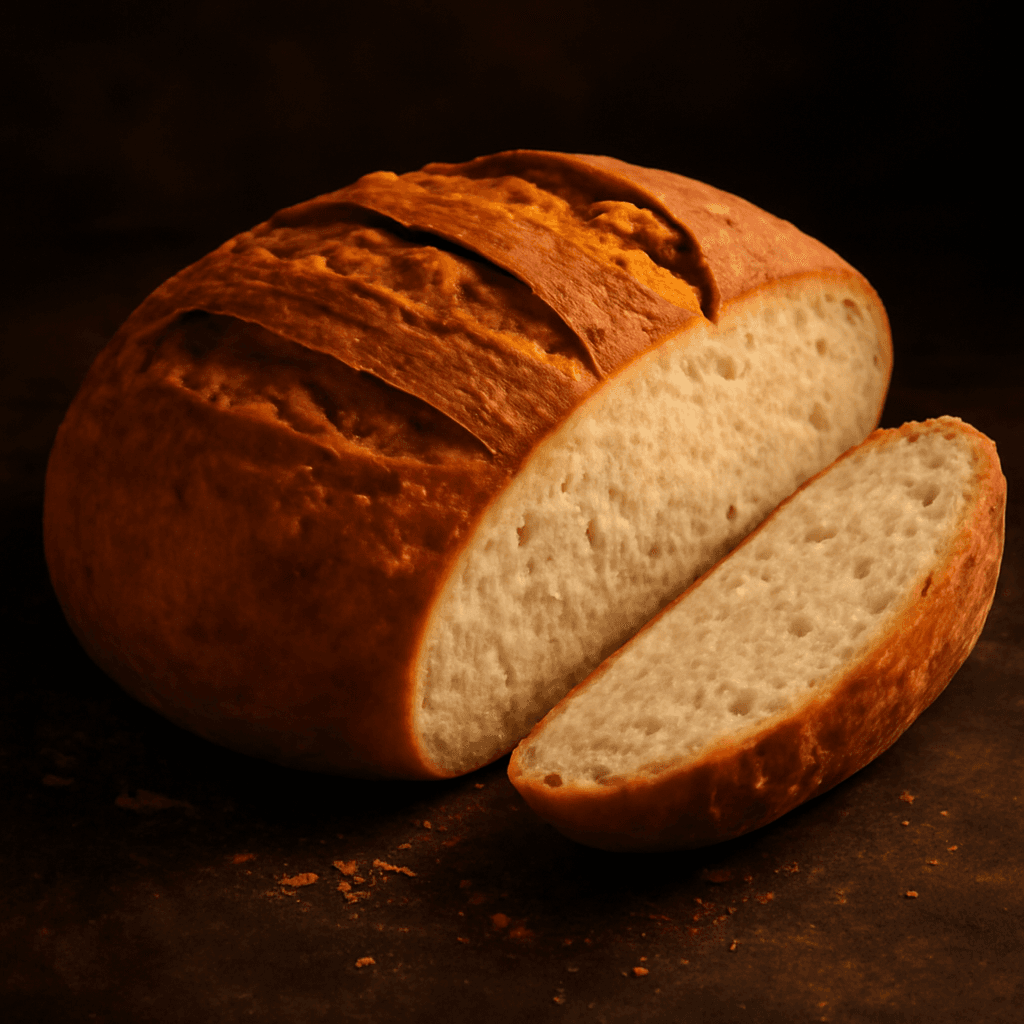
Cold fermentation is the secret. By slowing the yeast way down, enzymes have hours to break down starches into sugars, building layers of flavour you'd normally need a sourdough starter for. The result is a loaf with a crisp golden crust, an open crumb, and a satisfying chew that tastes far more artisanal than the five ingredients would suggest.

Tips for the Best Overnight Refrigerator Bread

Keep your dough slightly tacky but not sticky after kneading—if it clings to your fingers, add flour a tablespoon at a time. In cool Canadian kitchens, let the dough rise in the turned-off oven with just the light on for steady warmth. Always test your yeast first: if it doesn't foam within ten minutes, start fresh.

What to Serve With It

Slice thick and serve warm from the oven with salted butter and a drizzle of Alberta honey. It's perfect alongside a pot of coffee and a plate of smoked meat and mustard for a hearty weekend breakfast. Thin slices make excellent toast for peanut butter and banana sandwiches, or serve with local Quebec cheeses like Chevre d'Orleans for an afternoon snack.

Storage & Reheating

Once completely cool, store the loaf in a plastic bag at room temperature for up to three days. For longer keeping, slice and freeze in a freezer bag for up to two months. Reheat slices directly from frozen in a toaster or warm the whole loaf at 350°F (175°C) for ten minutes to restore that fresh-baked crust.
Nutrition Facts

170

cal

5g

Protein

7g

Fat

37g

Carbs

1g

Fiber

375mg

Sodium

Frequently Asked Questions

Can I skip the overnight refrigeration and just let the dough rise at room temperature?+

Yes, but you'll miss out on the deep flavour that cold fermentation develops. A standard room-temperature rise will give you a decent loaf in about two hours, but nothing compares to the complexity you get from a full night in the fridge.

How do I know when the bread is fully baked?+

Look for a deep golden brown crust and tap the bottom—it should sound hollow. An instant-read thermometer inserted into the centre should read around 190°F (88°C). If the crust browns too quickly, tent loosely with foil for the last ten minutes.

My yeast didn't foam during proofing. What went wrong?+

Your yeast was likely dead, either from being old or exposed to water that was too hot. Check the expiration date, and make sure your water is between 105°F and 115°F (40°C to 46°C) before adding it.

Can I use whole wheat flour instead of all white bread flour?+

You can substitute up to half whole wheat flour without major issues. Beyond that, the bread becomes denser because whole wheat lacks the gluten structure white flour provides. If you want more whole grain, try a blend of half white and half whole wheat.

What's the difference between shaping this as a loaf versus a boule?+

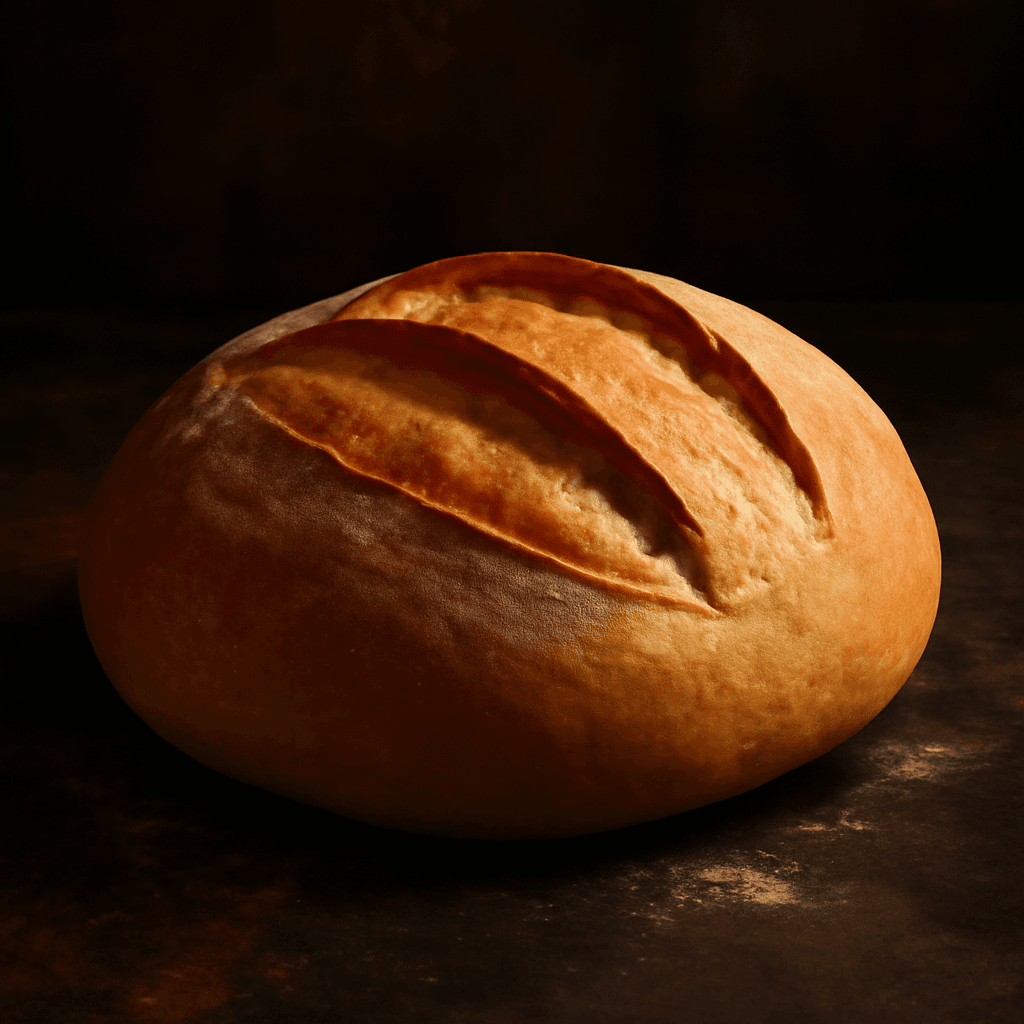
A loaf pan gives you that classic sandwich-friendly shape with straight sides, while a round boule has a thicker crust-to-crumb ratio and looks beautiful on the table. Both work beautifully—just adjust bake time slightly for the boule since it's thicker.

Tips & Tricks

  • If your kitchen is cool, let the dough rise in the oven with just the light on.
  • Test yeast freshness: if it doesn't foam within 10 minutes, the yeast is dead.
  • The dough should be slightly tacky but not sticky when properly kneaded.

Reviews (3)

Sarah M.★★★★★

So glad I found this recipe. The instructions are clear and the result is consistently great. I've made it four times already and it's perfect every time.

David C.★★★★★

Bakery-quality bread at home. I followed the recipe exactly and it turned out amazing. The proofing tips really helped.

Lisa P.★★★★★

Made this for a dinner party and everyone wanted the recipe. The bread was the star of the table — warm, crusty, and absolutely delicious.