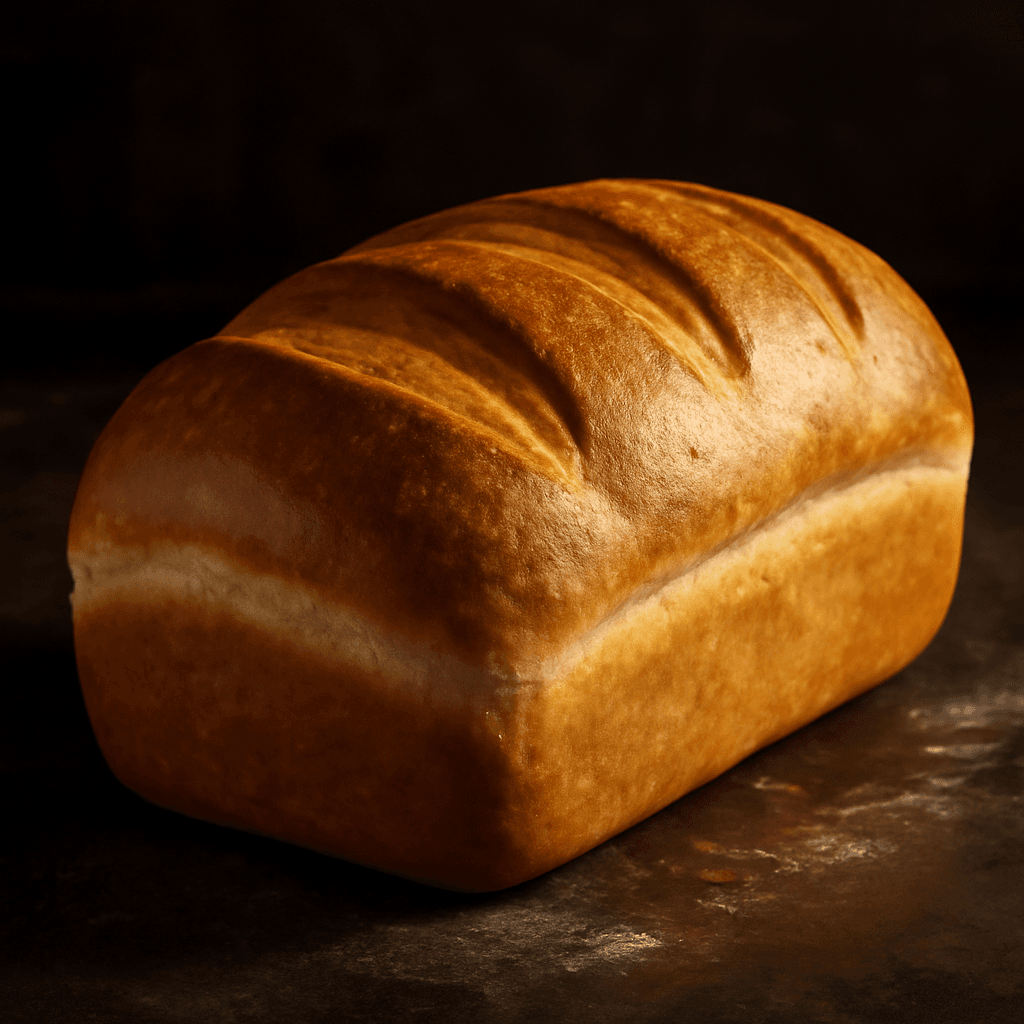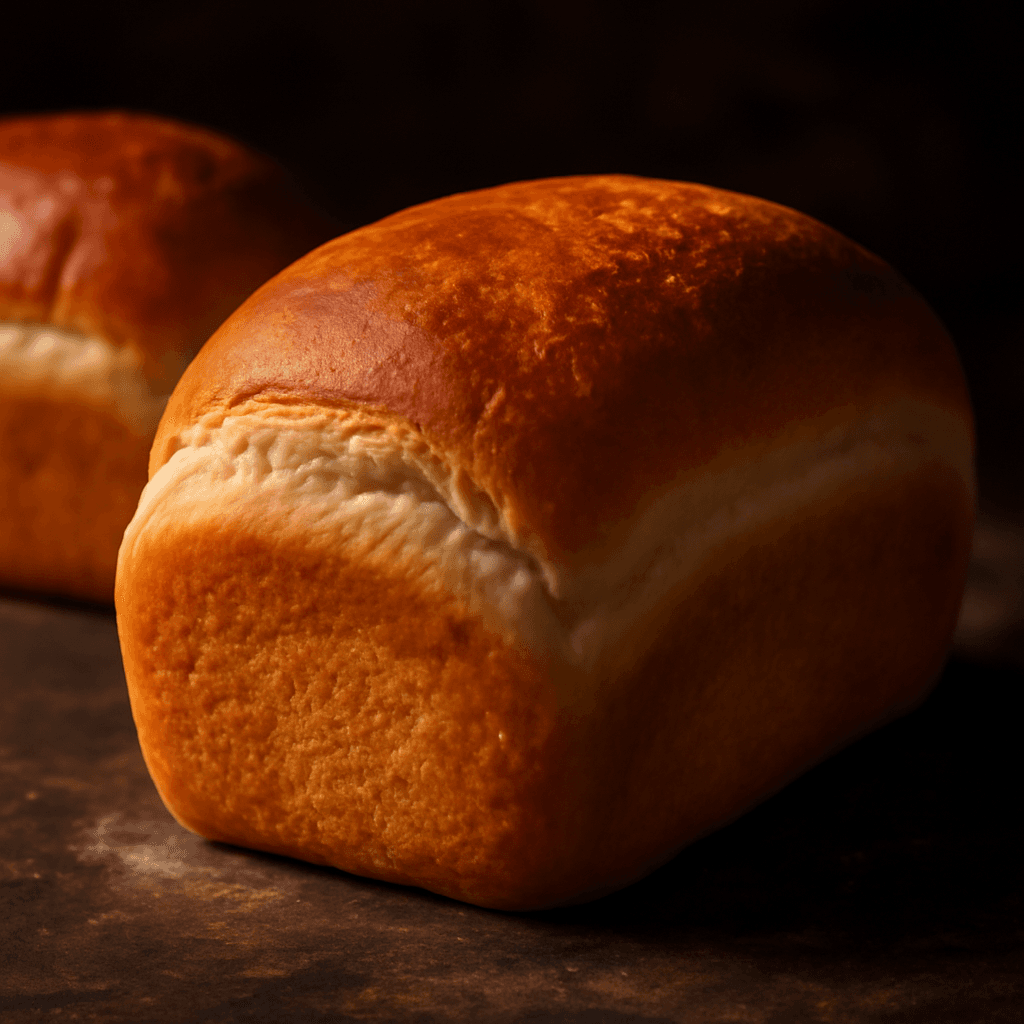
Pain de Ménage (Québécois Homestyle Bread) - freshly baked bread

Pain de Ménage (Québécois Homestyle Bread)

Yeast Bread

Traditional Québécois household bread — a slightly sweet, soft white loaf that has been the centrepiece of French-Canadian tables for generations.

Prep Time

20 min

Proof Time

1h 40m

Bake Time

35 min

Servings

10

Calories

195

Ingredients

  • 3 cups bread flour
  • 2¼ tsp active dry yeast
  • 1 cup warm water (110°F/43°C)
  • 1 tbsp granulated sugar
  • 1 tbsp vegetable oil
  • 1 tsp salt

Instructions

  1. 1

    Proof the Yeast

    Stir sugar into warm water. Sprinkle yeast and wait 5–10 minutes until bubbly.

  2. 2

    Mix the Dough

    Add oil, salt, and flour. Stir until a shaggy dough forms.

  3. 3

    Knead

    Turn out onto a floured surface and knead 8–10 minutes until smooth and elastic.

  4. 4

    First Rise

    Place in an oiled bowl, cover, and let rise 60 minutes until doubled.

  5. 5

    Shape

    Punch down, shape into a loaf, and place in a greased pan.

  6. 6

    Second Rise

    Cover and rise 30 minutes until cresting above the pan.

  7. 7

    Bake

    Bake at 375°F (190°C) for 28–32 minutes. Cool on a rack.

Baker's Notes

The key to great yeast bread is patience. Don't rush the rise — the longer fermentation develops more complex flavours.

Baker Thomas Moreau

About This Recipe

Pain de ménage is the bread I grew up eating in Québec City — a slightly sweet, soft white loaf that has anchored French-Canadian tables for generations. Unlike the dense European boules, this one is tender and pillowy, with a gentle sweetness from a tablespoon of sugar and a richness from the traditional lard that gives the crumb its distinctive tenderness.

What makes it special is how unpretentious it is. You mix, knead, and wait — no fancy techniques required — and end up with a loaf that slices beautifully and soaks up gravy or holds a thick slice of smoked meat without falling apart. That's why Canadian home cooks keep coming back to it: it tastes like comfort, and it feeds a crowd.

Tips for the Best Pain de Ménage (Québécois Homestyle Bread)

Proof your yeast properly — the sugar and warm water (110°F/43°C) should foam within 5 to 10 minutes, and if they don't, start over with fresh yeast. When you knead, aim for 8 to 10 minutes on a lightly floured surface until the dough feels smooth and elastic but still slightly tacky. If your kitchen runs cold, let it rise in the oven with just the light turned on.

What to Serve With It

Slice pain de ménage thick and slather it with maple butter for breakfast, or serve it alongside a pot-au-feu, poutine, or baked beans for dinner. It's equally at home with a pat of salted butter and a cup of café au lait, or sliced thin for sandwiches with smoked salmon and cream cheese. Keep a loaf on the counter — it disappears fast.

Storage & Reheating

Wrap cooled bread tightly in plastic wrap or store it in a paper bag at room temperature for up to three days. For longer storage, slice it and freeze in a freezer-safe bag for up to three months. Reheat slices directly from frozen in a 350°F/175°C oven for 10 minutes, or microwave individual slices for 15 seconds.
Nutrition Facts

195

cal

5g

Protein

4g

Fat

35g

Carbs

1g

Fiber

375mg

Sodium

Frequently Asked Questions

How do I know my yeast is alive?+

Stir the sugar into warm water (110°F/43°C), sprinkle the yeast on top, and wait 5 to 10 minutes. If it foams and bubbles, it's good. No foam means the yeast is dead — discard it and try again with fresh yeast.

Can I proof the dough somewhere warmer?+

Yes. Turn off your oven and just flip on the interior light — the gentle warmth speeds up the rise without cooking the dough. This trick works especially well in winter when kitchens run cold.

The recipe mentions lard. Can I use butter instead?+

Butter works, though the crumb won't be quite as rich or tender. Lard is traditional in Québec and gives pain de ménage its distinctive softness, but if you prefer dairy, melted butter is a fine substitute.

Should I score the loaf before baking?+

It's not necessary for this recipe. Pain de ménage rises gently and doesn't need the controlled expansion that scoring provides. A clean slash across the top is optional — the loaf will bake up nicely either way.

My loaf came out dense. What went wrong?+

Most likely the yeast wasn't active enough, or the dough didn't get a full first rise. Always proof the yeast first, and let the dough rise until it's visibly doubled — usually about 60 minutes — before shaping.

Tips & Tricks

  • If your kitchen is cool, let the dough rise in the oven with just the light on.
  • Test yeast freshness: if it doesn't foam within 10 minutes, the yeast is dead.
  • The dough should be slightly tacky but not sticky when properly kneaded.

Reviews (4)

Chantal D.★★★★★

Easy to prepare and so delicious! Even my picky kids went for seconds. This bread has become a staple in our home.

Pierre T.★★★★★

Excellent recipe. I followed the instructions to the letter and the result was perfect. My wife loved it. The best homemade bread I've made.

Marie L.★★★★★

Made this last weekend and my family loved it! The bread came out perfectly golden with a beautiful crust. Will definitely be making this again.

Michael W.★★★★★

This recipe is a keeper. The Baker's Notes really helped me understand the technique. My new favourite bread to bake on weekends.