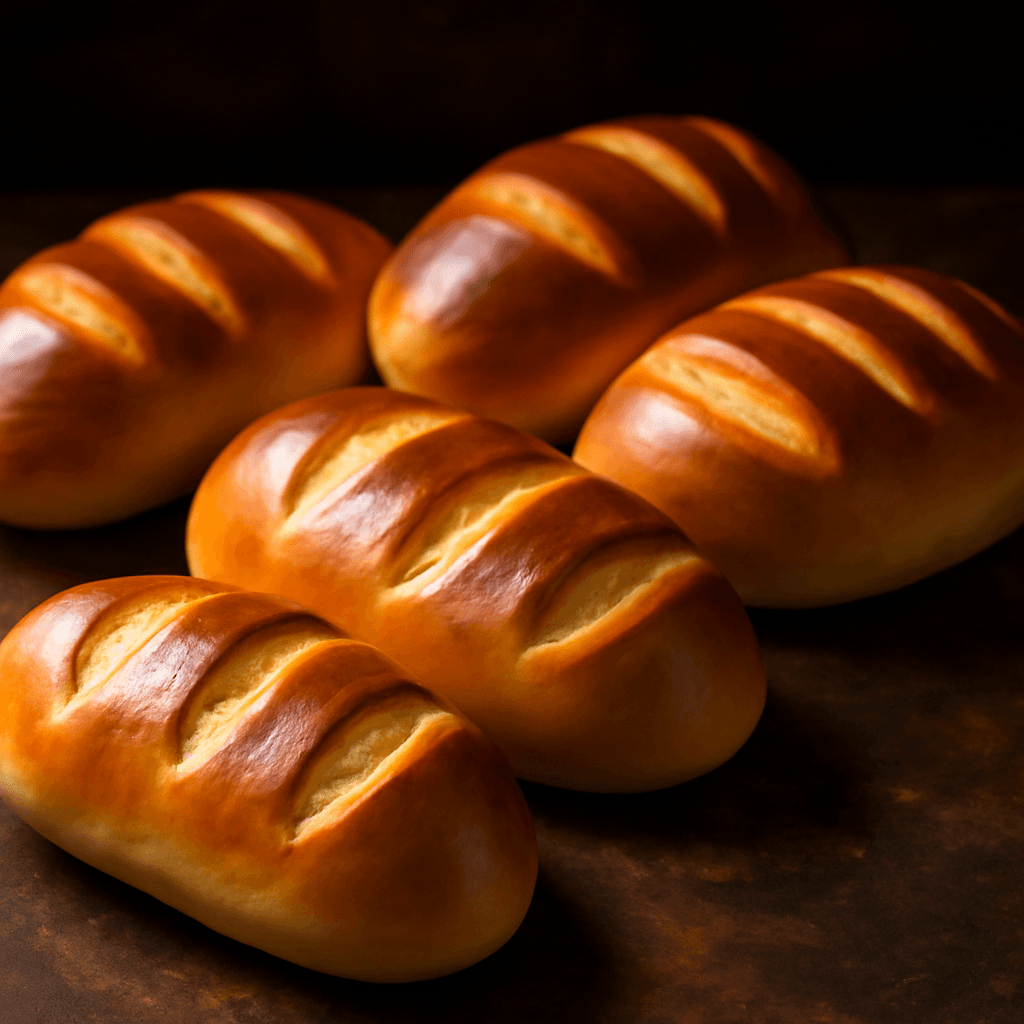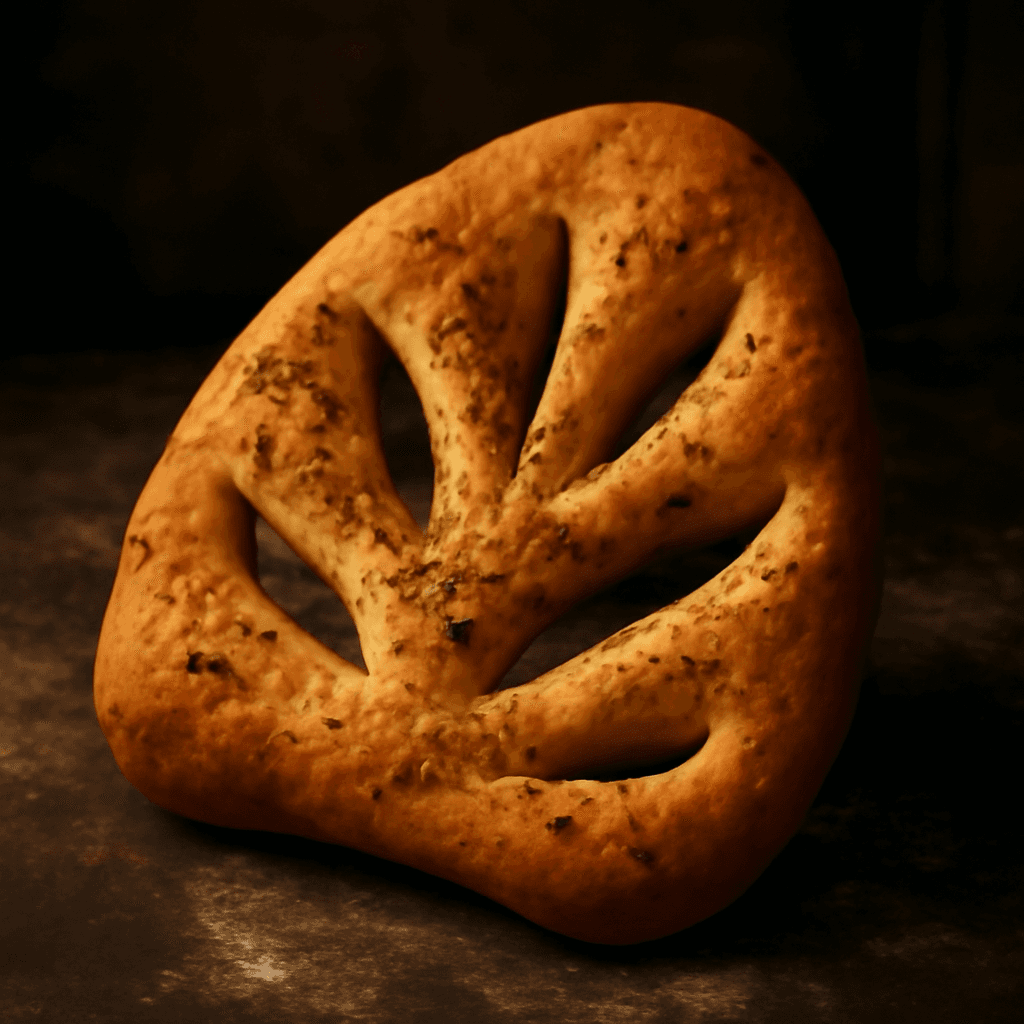
Fougasse (Provençal Flatbread) - freshly baked bread

Fougasse (Provençal Flatbread)

French & European-Style Bread

The leaf-shaped bread of Provence — a rustic, olive-oil-rich flatbread with dramatic slash cuts revealing the golden crumb beneath.

Prep Time

20 min

Proof Time

1h 30m

Bake Time

20 min

Servings

10

Calories

170

Ingredients

  • 3 cups bread flour
  • 2¼ tsp active dry yeast
  • 1 cup warm water
  • 2 tbsp unsalted butter, softened
  • 2 tbsp sugar
  • 1½ tsp salt
  • 2 large eggs

Instructions

  1. 1

    Activate Yeast

    Dissolve sugar in warm water. Add yeast and wait 5 minutes.

  2. 2

    Mix Dough

    Add butter, eggs, salt, and flour. Knead 10 minutes until smooth.

  3. 3

    Rise

    Cover and rise 60–90 minutes until doubled.

  4. 4

    Shape

    Shape as directed — braid, round, or loaf.

  5. 5

    Second Rise

    Cover and rise 30 minutes.

  6. 6

    Bake

    Brush with egg wash. Bake at 375°F (190°C) for 25–30 minutes until golden.

Baker's Notes

European breads often benefit from a long, slow fermentation. Even an extra hour of rise time develops noticeably more flavour.

Baker Thomas Moreau

About This Recipe

Fougasse is the Provençal flatbread that turns simple dough into something theatrical — those dramatic slash cuts fan open during baking to reveal a soft, golden crumb underneath. What makes it truly special is how olive oil works through every bite, giving it a tender, almost focaccia-like richness without the heaviness. It's the kind of bread that looks like it belongs in a Parisian bakery but comes together easily enough for a Canadian weekend project.

Canadian home cooks fall for it because it rewards patience with real flavour. The butter and eggs in the dough create a tender crumb that pairs beautifully with everything from roasted vegetables to cheese boards. Once you nail the shaping technique, you'll find yourself making it again and again — especially when you want something that feels festive but doesn't require fancy equipment.

Tips for the Best Fougasse (Provençal Flatbread)

Keep your water around 105°F to 110°F — too hot and you'll kill the yeast, too cool and it won't activate properly. When shaping, press the dough flat first, then make those deep cuts with a sharp knife; don't worry about perfection since the bread will expand and open up during baking anyway.

What to Serve With It

Serve fougasse warm alongside a bowl of roasted tomatoes and fresh mozzarella, or slice it thick for sandwiches with local Ontario cheeses like Bayview or Grand Pré. It's equally at home with a pot of mushroom soup on a cold November evening or spread with herbed butter at a summer barbecue. Pair it with a crisp white wine or a local craft beer from the Niagara region.

Storage & Reheating

Store cooled fougasse in a paper bag at room temperature for up to two days — the paper keeps the crust from getting soggy while letting the bread breathe. For longer storage, wrap it tightly in plastic and freeze for up to three months. Reheat at 350°F for ten minutes to revive that crispy crust, or microwave individual slices for thirty seconds if you're in a hurry.
Nutrition Facts

170

cal

7g

Protein

4g

Fat

36g

Carbs

3g

Fiber

374mg

Sodium

Frequently Asked Questions

Can I use all-purpose flour instead of bread flour?+

You can, but you'll lose some chew and structure. Bread flour has more protein, which helps the dough hold those dramatic cuts better. If you must use all-purpose, add a tablespoon of vital wheat gluten per cup.

Why do my slashes close up before baking?+

This usually means your dough is too slack or your cuts aren't deep enough. Score at least halfway through the dough and let the second rise be just 30 minutes — over-proofing makes the dough too relaxed to hold its shape.

Can I make this ahead and bake it later?+

Yes — shape the fougasse, cover it, and refrigerate overnight. Let it come to room temperature for 30 minutes before baking. The slow fermentation actually develops more flavour, though the second rise may take a bit longer.

What's the difference between fougasse and focaccia?+

They share the same olive-oil-rich DNA, but fougasse is typically thinner, shaped into leaves or braids, and scored dramatically. Focaccia stays thicker and is dimpled rather than slashed. Think of fougasse as focaccia's more elegant, rustic cousin.

My crust came out pale. What went wrong?+

Most likely your oven wasn't hot enough or you skipped the egg wash. Make sure your oven hits 375°F before sliding the bread in, and brush generously with beaten egg mixed with a tablespoon of water for that golden European sheen.

Tips & Tricks

  • Egg wash (1 egg + 1 tbsp water) gives European breads their golden sheen.
  • Many European breads improve in flavour after a day of resting.
  • Use bread flour for the best gluten development and structure.

Reviews (3)

David C.★★★★★

Bakery-quality bread at home. I followed the recipe exactly and it turned out amazing. The proofing tips really helped.

Lisa P.★★★★★

Made this for a dinner party and everyone wanted the recipe. The bread was the star of the table — warm, crusty, and absolutely delicious.

Robert B.★★★★★

Five stars! The crust was perfectly crispy and the crumb was soft and airy. I'll never buy store-bought bread again.