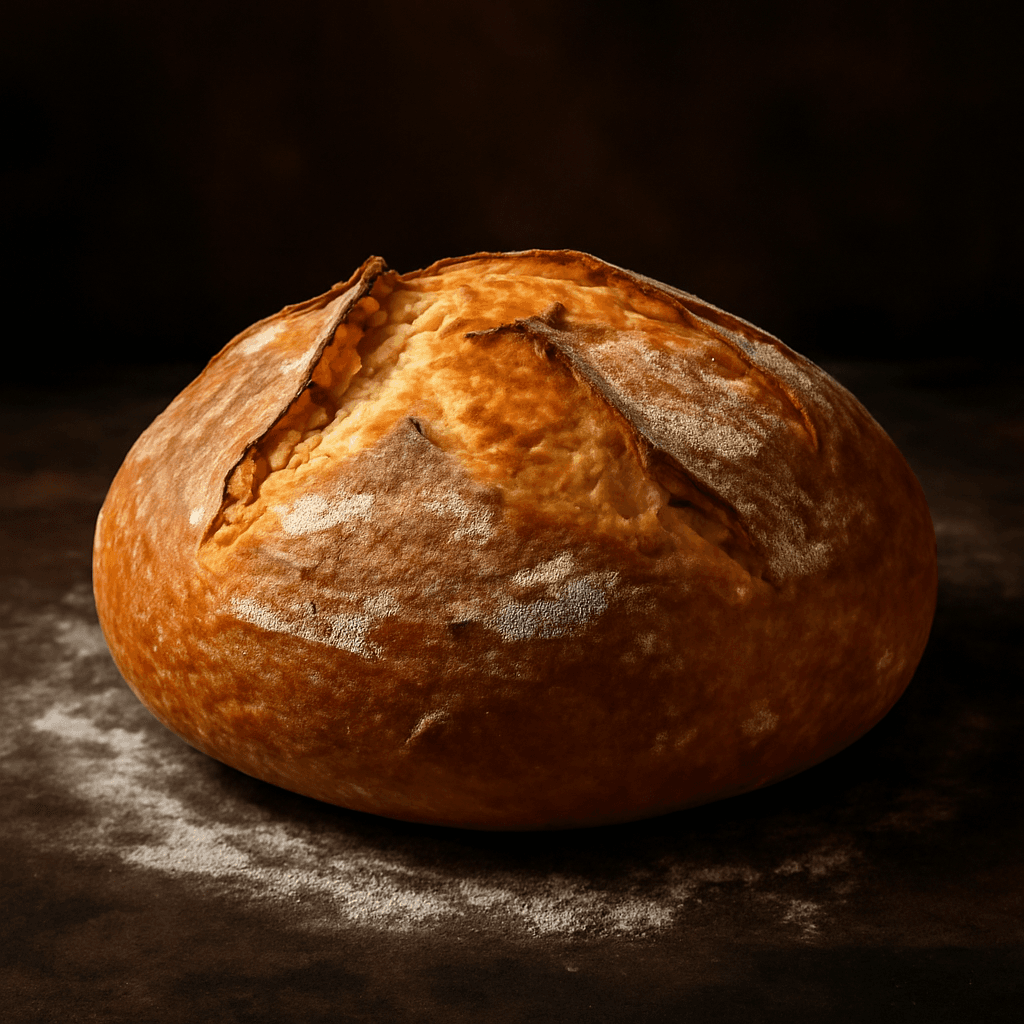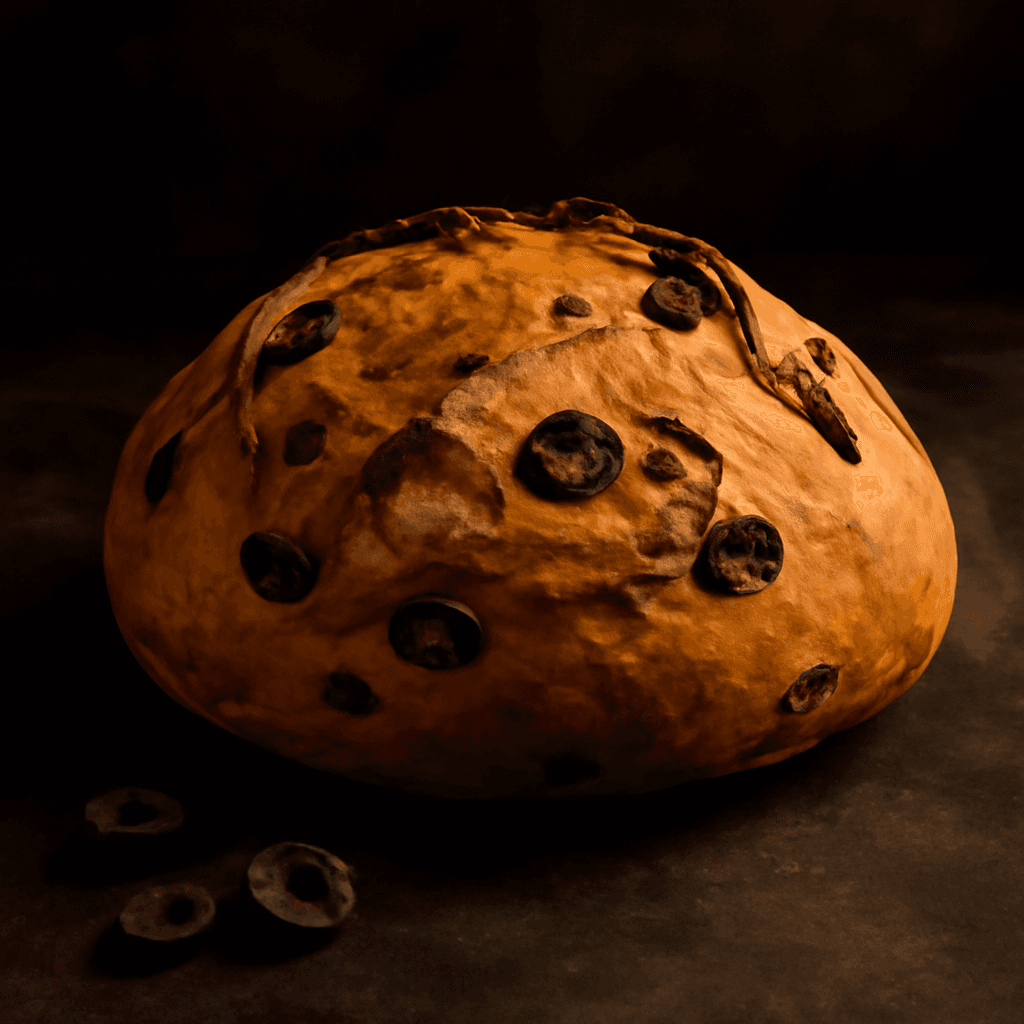
Olive Bread - freshly baked bread

Olive Bread

Artisan & Crusty Bread

Mediterranean olive bread studded with briny Kalamata olives and fragrant olive oil.

Prep Time

20 min

Proof Time

2h

Bake Time

35 min

Servings

10

Calories

195

Ingredients

  • 500 g bread flour
  • 350 g water
  • 1½ tsp instant yeast
  • 10 g salt

Instructions

  1. 1

    Mix

    Combine flour, yeast, and water. Rest 20 minutes (autolyse).

  2. 2

    Add Salt & Develop

    Sprinkle salt over dough and incorporate. Stretch-and-fold every 30 min for 2 hours.

  3. 3

    Bulk Ferment

    Let dough rest, covered, until doubled and bubbly.

  4. 4

    Shape

    Pre-shape, rest 15 minutes, then final shape.

  5. 5

    Proof

    Place in a floured banneton or on parchment. Proof 45–60 minutes.

  6. 6

    Score & Bake

    Score the top. Bake at 475°F (245°C) with steam until deeply golden.

Baker's Notes

Steam in the first 10 minutes of baking is the secret to a crackling, blistered artisan crust. A Dutch oven is the easiest way to trap steam at home.

Baker Thomas Moreau

About This Recipe

Olive bread is one of those loaves that sounds simple until you taste it — a crackling, deeply golden crust giving way to a tender crumb studded with briny Kalamata olives. The Mediterranean warmth of olive oil and the salty pop of the fruit make every slice feel like a small celebration.

Canadian home cooks gravitate toward this bread because it rewards patience without demanding fancy equipment. The autolyse and stretch-and-folds build structure on their own, while the steamy bake delivers that irresistible artisan crunch. It's the kind of loaf that disappears fast at the dinner table, especially when sliced thick and shared with friends.

Tips for the Best Olive Bread

Fold the olives in only after the initial mix — adding them too early means broken pieces and uneven distribution. Use a sharp lamé for clean scores, and don't skip the steam in the first ten minutes of baking; that moisture is what gives you that signature crackling crust.

What to Serve With It

Slice thick and serve with good olive oil and a splash of balsamic vinegar for dipping. It pairs beautifully with smoked meats, charcuterie boards, or a simple bowl of soup. At breakfast, try it toasted with butter and a soft egg. In winter, it's perfect alongside a pot of poutine or a plate of smoked salmon.

Storage & Reheating

Keep the loaf in a paper bag or wrapped in a linen cloth at room temperature for up to two days — plastic will soften the crust. For longer storage, slice and freeze in a freezer bag; toast slices straight from frozen at 350°F for five minutes to bring back the crunch.
Nutrition Facts

195

cal

4g

Protein

7g

Fat

43g

Carbs

3g

Fiber

305mg

Sodium

Frequently Asked Questions

Can I use fresh green olives instead of Kalamata?+

Yes, but Kalamata olives hold their shape better during baking and deliver a richer, deeper flavour. If you use fresh olives, pat them very dry first to avoid excess moisture in the dough.

Why does the recipe say to add olives after the initial mix?+

Adding olives too early causes them to break apart during kneading, which means uneven distribution and lost texture. Folding them in gently after the autolyse preserves whole pieces throughout the crumb.

Do I really need steam for this bread?+

Steam is essential for the signature crackling crust. You can create it by placing a pan of boiling water on the bottom rack or spraying the oven walls before closing the door. Without steam, the crust will be thinner and less satisfying.

Can I proof this dough overnight?+

Absolutely. After shaping, place the dough in the refrigerator for 12 to 18 hours. Cold fermentation develops deeper flavour and makes the bread easier to score. Let it sit at room temperature for 30 minutes before baking.

What temperature should I bake at?+

475°F (245°C) is ideal — hot enough to set the crust quickly and create a strong oven spring. Bake for 35 minutes until deeply golden brown and the loaf sounds hollow when tapped on the bottom.

Tips & Tricks

  • Steam in the first 10 minutes of baking creates a signature crackling crust.
  • Use a lamé (razor blade) for sharp, clean scores on the dough.
  • Don't rush fermentation — time develops flavour and structure.

Reviews (3)

Lisa P.★★★★★

Made this for a dinner party and everyone wanted the recipe. The bread was the star of the table — warm, crusty, and absolutely delicious.

Robert B.★★★★★

Five stars! The crust was perfectly crispy and the crumb was soft and airy. I'll never buy store-bought bread again.

Jennifer K.★★★★★

This is now our go-to bread recipe. The house smelled incredible while it was baking. My kids couldn't wait to tear into a warm slice.