About This Recipe
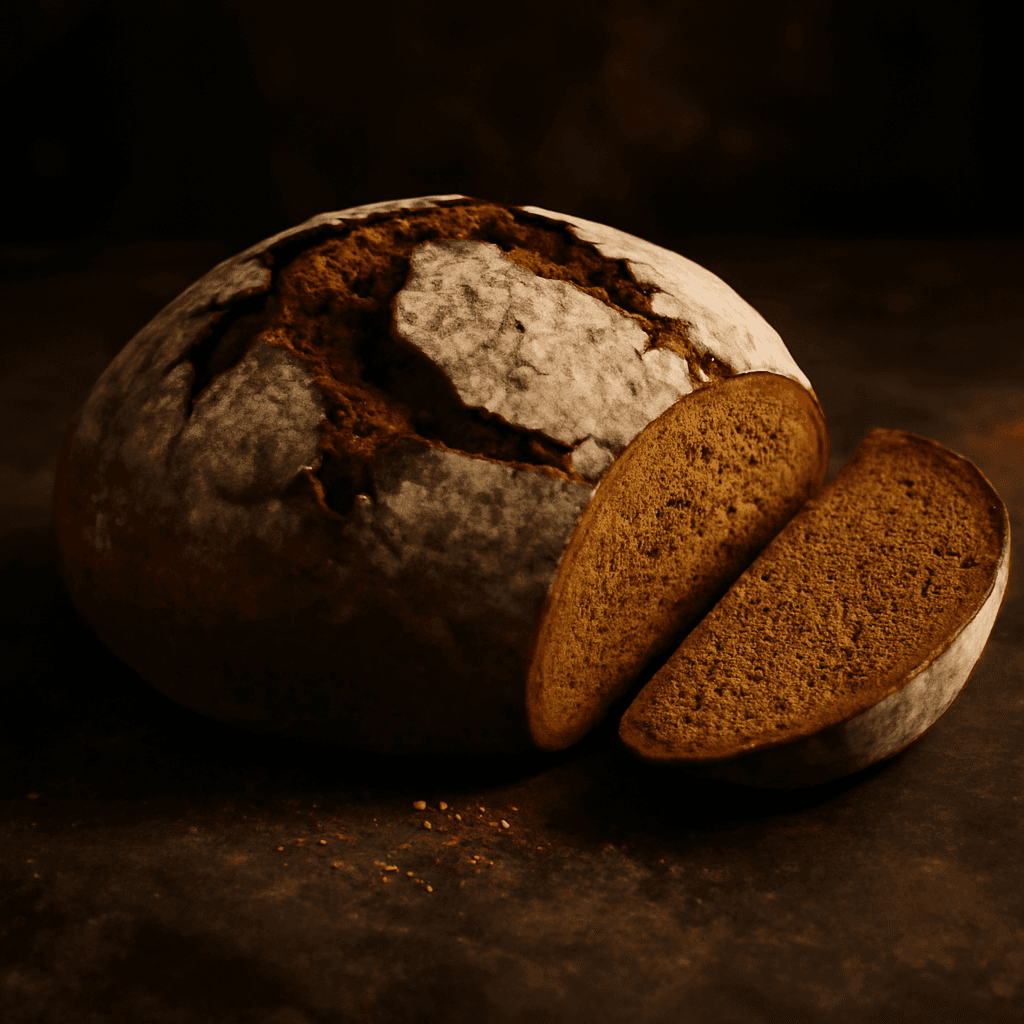
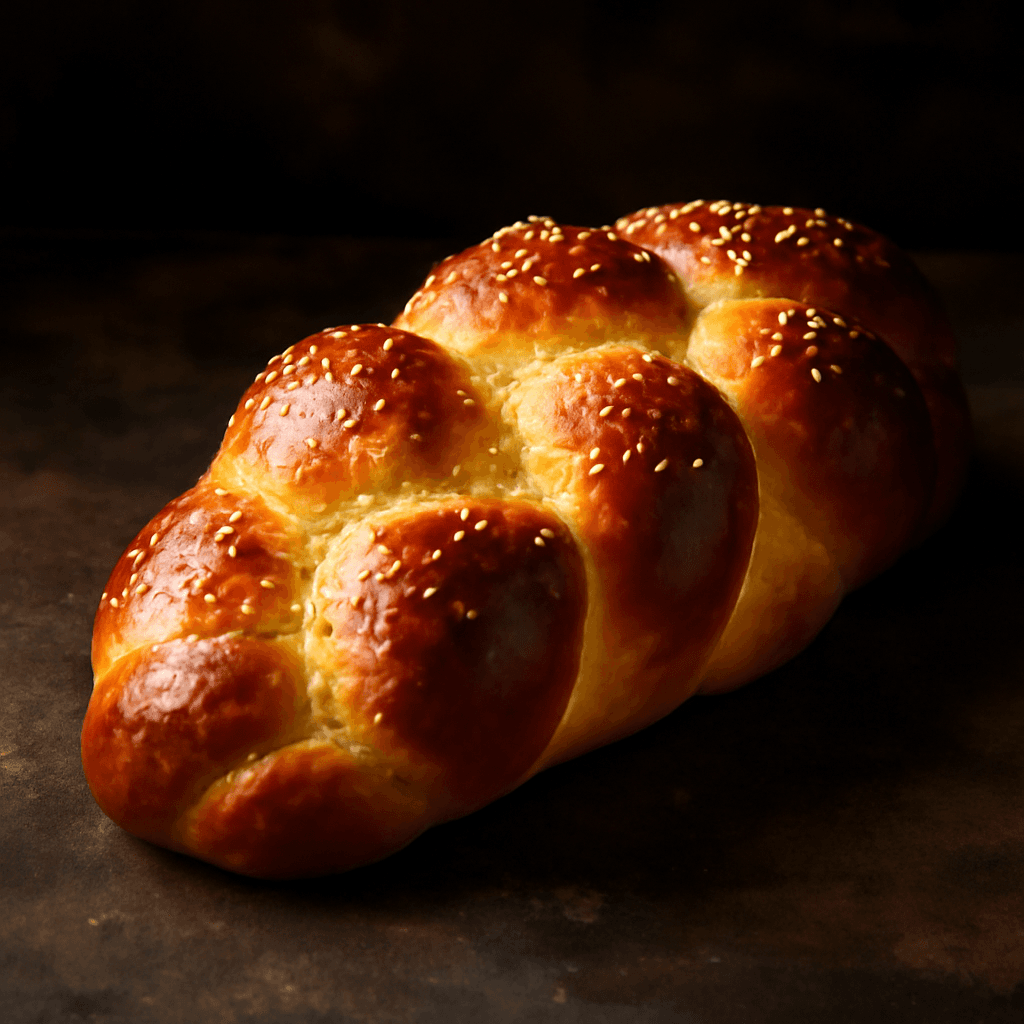
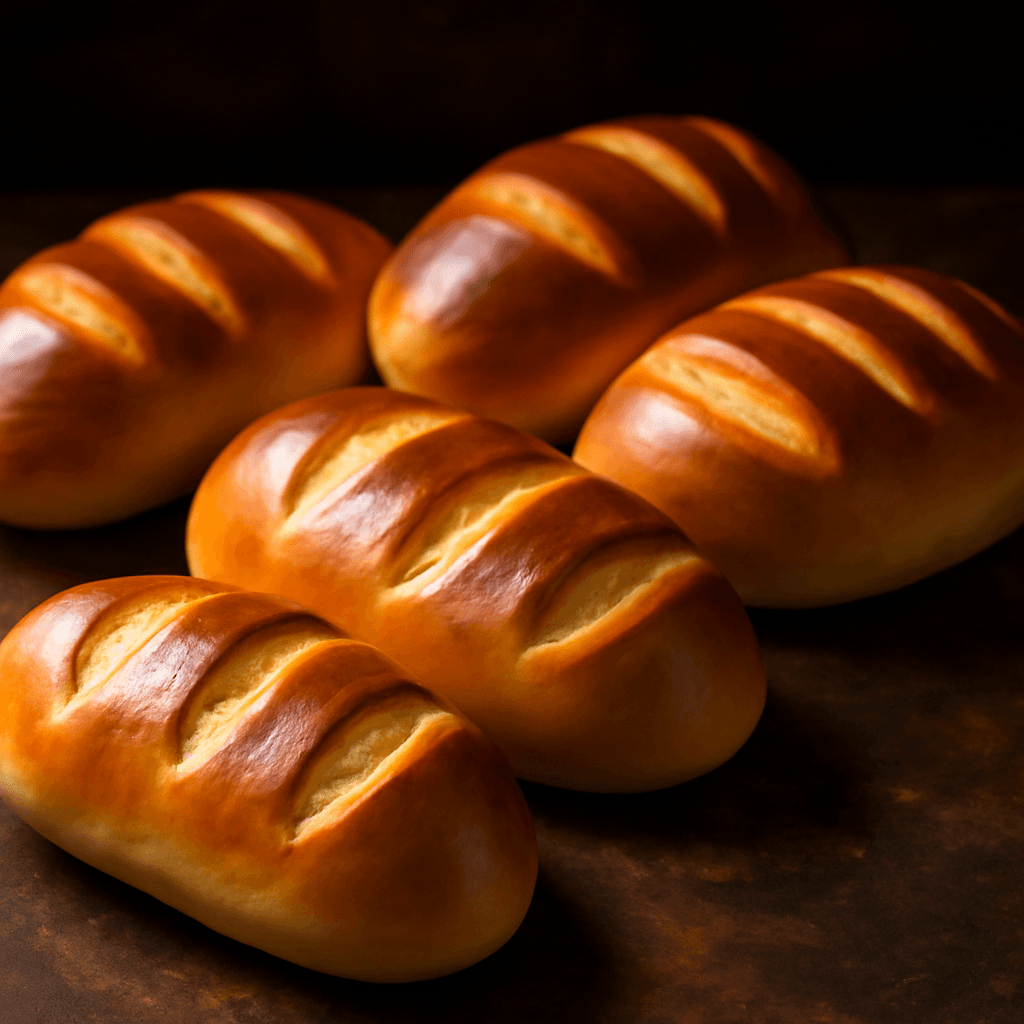
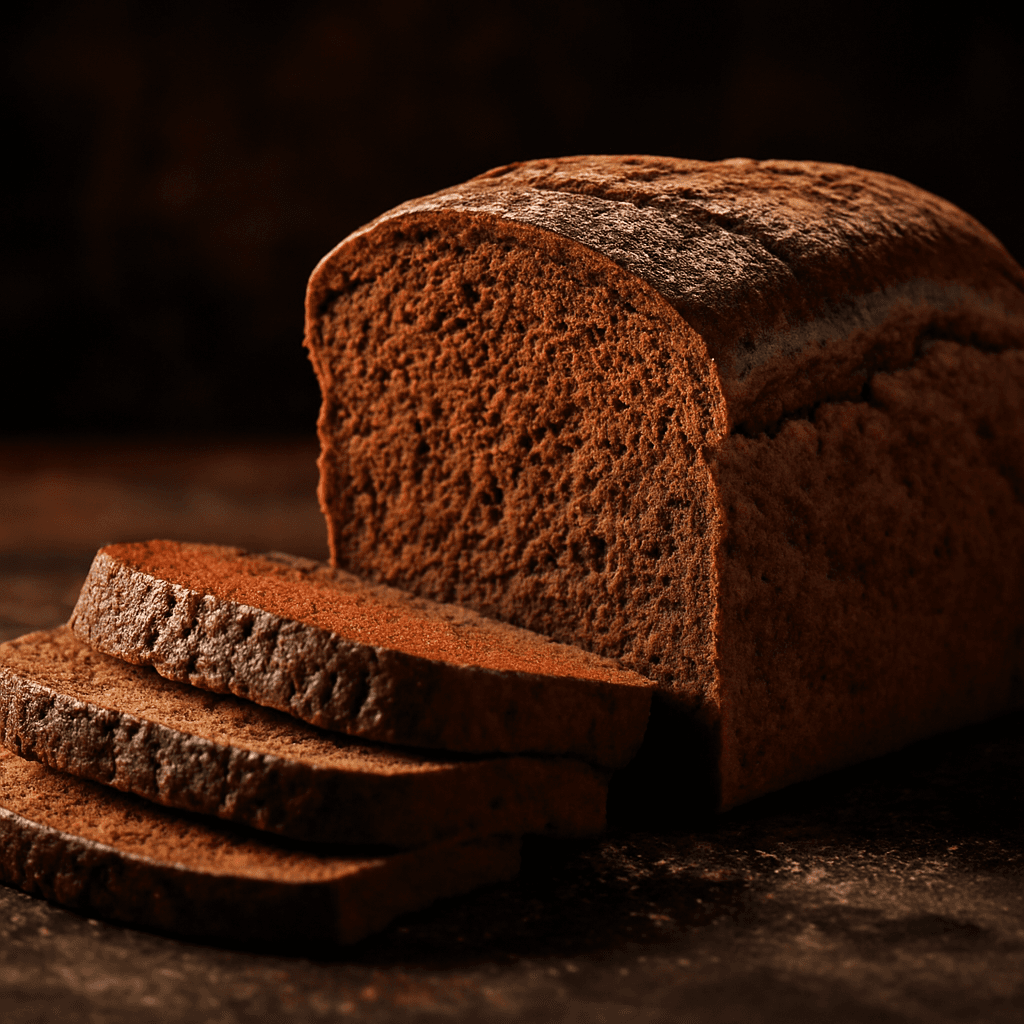
Pumpernickel bread is one of those German classics that earns its reputation through sheer substance. This loaf is rich, slightly sweet, and deeply satisfying — the kind of bread that feels substantial enough to anchor a proper sandwich and humble enough to disappear beside a bowl of soup. That golden sheen from the egg wash gives it a refined look that belies its rustic heart.
What Canadian home cooks appreciate most is how versatile this bread is. It slices cleanly, holds up to generous toppings, and actually tastes better the next day as the flavours settle into each other. It's the kind of loaf that earns its place in your regular rotation without demanding much attention.
Tips for the Best Pumpernickel Bread
Dissolve the sugar in warm water before adding the yeast — that small step wakes the yeast up and saves you from a flat loaf. The egg wash (one egg thinned with a tablespoon of water) is what gives European breads their signature shine, so don't skip it. And give the loaf a full day to rest before slicing; the flavour deepens noticeably after twenty-four hours.
What to Serve With It
Slice this bread thin and serve it open-faced with smoked salmon, cream cheese, and capers — a classic that works beautifully for weekend brunch. It pairs equally well with sharp cheddar, pickled vegetables, or a simple pat of butter alongside a hearty bowl of potato leek soup. A drizzle of local maple syrup on thick slices makes a surprisingly good sweet snack.
Storage & Reheating
Keep leftover pumpernickel wrapped in plastic wrap or in an airtight container at room temperature for up to three days. If you need to hold it longer, slice it first and freeze it in a freezer bag — it reheats well straight from frozen in a 350°F oven for about ten minutes. Don't refrigerate it; the cold dries out the crumb faster than air does.